

GFM IPO System Breakdown | Seaport Therapeutics
With the Biotech window reopening, what kind of scientific uncertainty is the market willing to pay for?
Abstract: What's noteworthy about Seaport Therapeutics isn't just whether it's a biotech company, but whether the US stock market will truly re-accept mid-clinical risk in 2026. What this company is selling isn't a mature business model, but a re-capitalized form of scientific uncertainty.
Seaport Therapeutics will not be the largest IPO in the US stock market in 2026.
It plans to raise approximately $100 million, a relatively small amount compared to other biotech IPOs completed this year—Eikon Therapeutics' $381 million and AgomAb's $212.5 million. It's also not the first neuropsychiatric drug company to go public, a sector with a historically high failure rate that investors fear.
However, for GFM, Seaport Therapeutics is one of the most noteworthy institutional examples to analyze in the 2026 biotech IPO market.
The reason lies not in its size, but in the questions it tests: When the window for US biotech stocks reopens after a long period of silence, what kind of scientific uncertainty is the market willing to pay for again? Which types of companies have clinical progress that has crossed the threshold of "capitalizable uncertainty"?
The answer to this question will determine the true temperature of the biotech funding market in the coming year.  (Image caption) What Seaport is selling is not ready-made revenue, but clinical risks that are being reaccepted by the capital market.
I. Who is this company: A platform story about "how to transform old drugs"
Founded in 2024 and headquartered in Boston, Massachusetts, Seaport Therapeutics is a clinical-stage biotech company focused on neuropsychiatric disorders. It plans to list on the Nasdaq Global Market under the ticker symbol SPTX, with Goldman Sachs among the lead underwriters.
Its core narrative is not "we have discovered a brand new drug target", but a more precise technical proposition: to use its own Glyph platform to solve the fundamental problem that a number of clinically validated effective molecules cannot be commercialized in the US market due to low oral bioavailability, strong first-pass metabolism, or excessive side effects.
Glyph is a lymphatic-targeted prodrug technology that designs the chemical structure of drugs to allow active molecules to bypass the first-pass metabolism in the liver and directly enter the bloodstream through the lymphatic system, thereby significantly improving oral bioavailability and reducing side effects. The company calls this process "Glyphing" and has applied for a patent for a new compound composition based on it—meaning that even if the original molecule already has an existing patent, the new compound after "Glyphing" can still form independent intellectual property protection.
The appeal of this platform's logic lies in the fact that it doesn't validate a completely new biological hypothesis from scratch, but rather solves an engineering problem with an already validated molecule. In the context of biotech investment, this translates to lower conceptual risk and clearer visibility into clinical pathways.
Prior to its establishment, the company acquired its pipeline assets through an asset transfer agreement with PureTech Health, one of the company's founders.
II. Current Pipeline Status: Wherever clinical progress has reached, and wherever the story has been established.
Seaport Therapeutics' current pipeline revolves around two core assets.
GlyphAllo is a gyptiform prodrug of agestrinone, targeting major depressive disorder and generalized anxiety disorder. This is the company's most mature asset. It has completed a Phase I clinical trial in Australia with 99 participants, demonstrating therapeutically meaningful plasma exposure levels without serious or severe treatment-related adverse events. Subsequently, it completed a Phase II clinical trial in 80 healthy volunteers, using the Trier social stress test as a biomarker of stress response, demonstrating proof-of-concept signals and good tolerability. Currently, the company has initiated the Phase II BUOY-1 trial in July 2025, recruiting up to approximately 360 adult patients with major depressive disorder globally, with top-line data expected in the first half of 2027.
GlyphAgo is the glyphoprodrug of agomelatine, targeting generalized anxiety disorder (GAD). Agomelatine is approved in Australia for GAD and major depressive disorder, and in the European Union for major depressive disorder, but not yet in the United States. Top-line data from GlyphAgo's Phase I clinical trial were released in April 2026, demonstrating significant improvements in pharmacokinetics: a 6.8-fold increase in bioavailability and a 10-fold reduction in pharmacokinetic variability compared to unmodified oral agomelatine, with no liver-related adverse events. The company plans to initiate a Phase II-A trial, with top-line data expected in early 2028, and Phase II-B data expected by the end of 2028.
The progress of this pipeline dictates the timing of the IPO fundraising: GlyphAllo needs funding to support its Phase II BUOY-1 trial, and GlyphAgo needs funding to initiate its Phase II A trial. The $100 million fundraising target corresponds to the next clinical milestone for these two main lines of research. 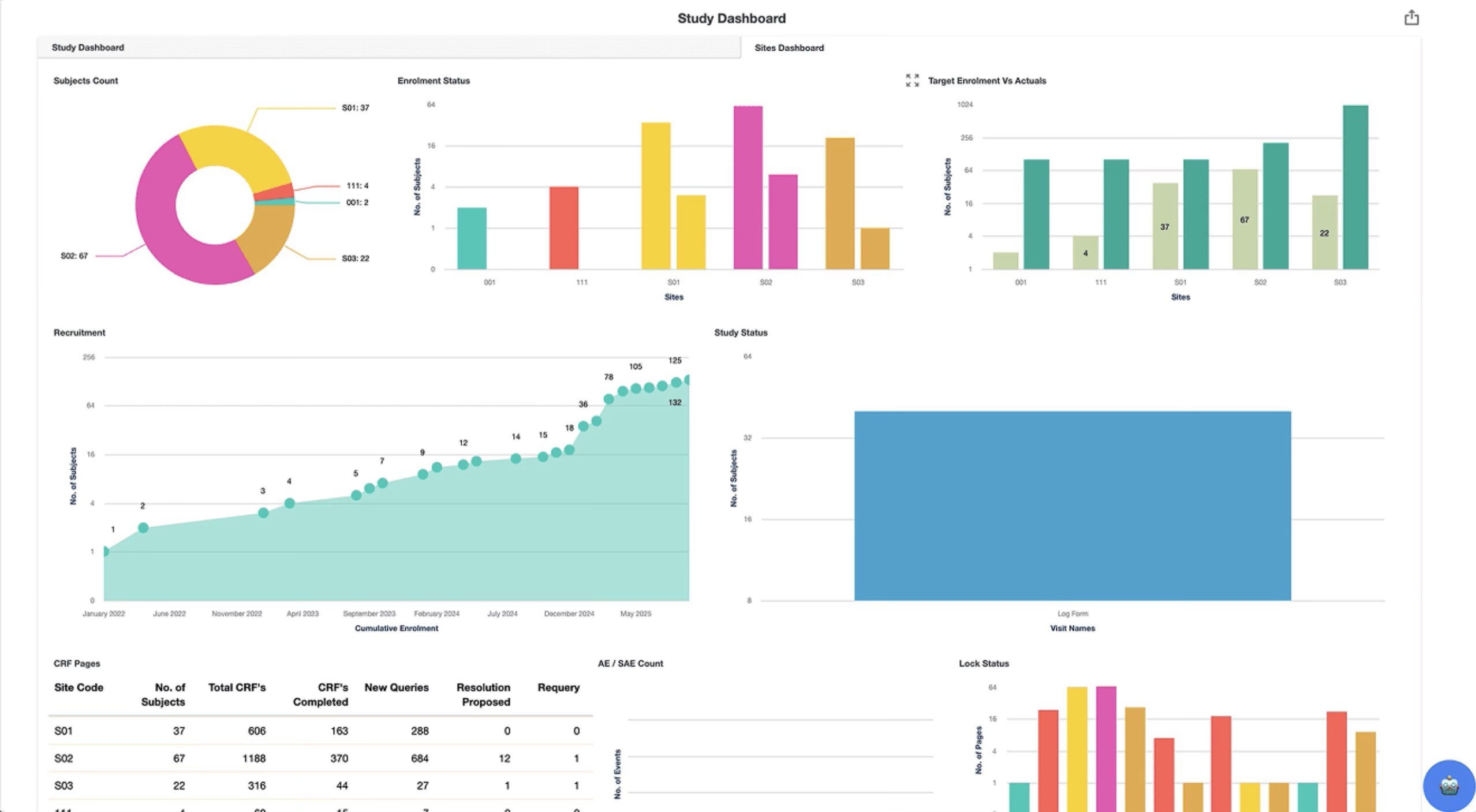 (Image caption) Mid-stage clinical progress is a key milestone for these biotech companies to enter the public market.
III. Financial Structure: A Typical Pre-Commercialization Stage As a pre-clinical company founded in 2024, Seaport Therapeutics currently has no product revenue. This is the standard financial structure for a neuropsychiatric drug development company in the pre-commercialization stage.
Its capital base comes from private equity funding: prior to the IPO, the company had raised approximately $325 million in net funding from private investors, with major institutional shareholders including ARCH Venture Partners, General Atlantic, Sofinnova Investments, Third Rock Ventures, and founder PureTech. PitchBook shows the company's total funding is approximately $330 million, with investors also including Goldman Sachs Asset Management, CPP Investments, and Foresite Capital.
This list of investors is itself an important signal of credibility. ARCH Venture, Third Rock, and Sofinnova are all top institutional investors in the life sciences field, and their involvement signifies a thorough due diligence endorsement of the pipeline and platform. The participation of General Atlantic and Goldman Sachs Asset Management indicates that the company has passed the vetting hurdles of early-stage venture capital and institutional capital during the private equity stage.
The $100 million IPO proceeds will primarily be used to advance GlyphAllo's Phase II B BUOY-1 trial, GlyphAgo's Phase II A trial, and to support the research and development of other pipeline assets and general corporate operations.
This is not commercial expansion financing, but clinical milestone financing—each grant corresponds to a verifiable scientific milestone.
IV. Glyph Platform: How Thick is the Technological Barrier? To understand the valuation logic of Seaport Therapeutics, one must first understand the true nature of the Glyph platform.
Its core advantage lies in systematizing and platformizing the process of "improving the drug-likeness of known effective molecules." This means that, theoretically, it is not just a compound, but a methodology that can be repeatedly applied to different molecules—each successful gyphization can accumulate knowledge, apply for patents, and expand the pipeline.
This platform logic has a multiplicative effect on valuation: investors are not just buying the two current pipeline assets, but the entire mechanism space in which this methodology may be applied in the future.
However, there are several key questions that need to be asked.
The advantages of the Glyph platform currently derive primarily from pharmacokinetic data from Phase I trials and preliminary proof-of-concept in Phase II-A trials. Whether the improvements in pharmacokinetics can translate into real efficacy advantages at clinical endpoints remains to be verified through Phase II-B trials and subsequent studies. The design of clinical endpoints for neuropsychiatric drugs is inherently extremely complex—high patient heterogeneity, significant placebo effects, and strong subjectivity in efficacy assessment—whether the pharmaceutical improvements of the Glyph platform are sufficient to address these challenges remains an open question.
In other words, Glyph is a compelling technological framework, but the strength of its competitive advantage ultimately needs to be supported by Phase II clinical data. 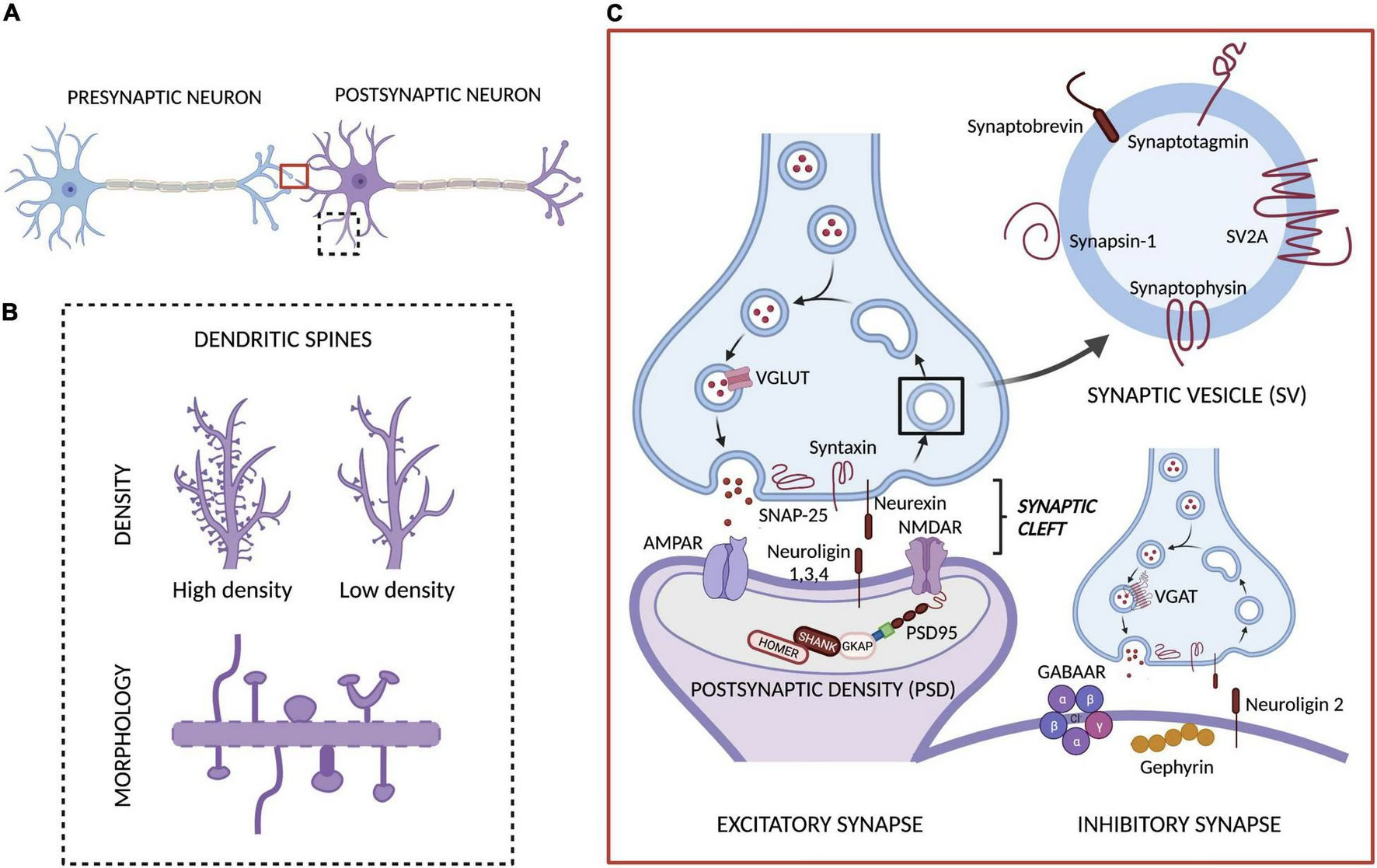 (Image caption) The most difficult part of the neuropsychiatric drug field is not explaining the mechanism, but proving that it can be translated into clinical results.
V. The Real Risks: The Historical Challenges of Neuropsychiatric Drugs Have Never Disappeared. Risk 1: This field has a structurally high failure rate.
Neuropsychiatric drug development is one of the most unsuccessful areas in drug development. This high failure rate is caused not only by scientific difficulty, but also by a complex set of overlapping factors: difficulties in translating the mechanisms of central nervous system targets, the subjectivity of clinical endpoint design, the high heterogeneity of patient populations, and the strong interference of the placebo effect on trial results. The Glyph platform addresses pharmaceutical engineering issues, but the biggest failures in this field lie not in pharmaceutical engineering, but in clinical translation.
Risk 2: The timelines for key milestones are long, and the window of opportunity may not match the data release time.
GlyphAllo's Phase II B top-line data is expected in the first half of 2027, and GlyphAgo's Phase II A data is expected in early 2028. This means that investors entering the market at this time will need to endure a relatively long "data gap period"—market sentiment may fluctuate multiple times during this period, and the companies will be able to provide relatively limited substantive updates.
Risk 3: The reopening of the biotech window does not necessarily equate to a recovery in the margin for error.
The biotech IPO market in 2026 did show signs of recovery, but this recovery was more selective than comprehensive. The market reopened its doors to companies with "mid-stage clinical data, a platform logic, and endorsement from top institutions," rather than indiscriminately accepting all biotech stories. This selective recovery means that any failure signal from a major trial could quickly close this window again.
Risk 4: The company has been established for a very short time, and the governance and execution risks still need time to be verified.
Seaport Therapeutics was officially established in Delaware in 2024, and its pipeline assets came from an asset transfer with PureTech Health. As a company less than two years old, the execution capabilities of its management team, the maturity of its clinical trial management system, and its preparedness for public market disclosure requirements all need to be gradually verified in actual operation after listing.  (Image caption) This IPO is more like a financial revaluation of scientific uncertainty than just a financing of a new drug company.
VI. Motivation for going public: To secure a position during the window of opportunity and translate clinical progress into credibility in the public market.
Seaport Therapeutics' decision to go public at this time has a clear window of opportunity.
From 2025 to early 2026, the US biotech IPO market began to show signs of cautious recovery after a long period of stagnation. Aktis Oncology kicked off the 2026 biotech IPO season with a $318 million IPO, followed by Eikon Therapeutics setting a new annual record with an oversubscribed $381 million. This series of successes indicates that the market has reopened the valuation window for preclinical biotech companies—but this window is conditional and selective.
Seaport's decision to enter the market during this window of opportunity reflects at least three levels of consideration.
First, it transforms the Phase II proof-of-concept data from GlyphAllo and the Phase I pharmacokinetic improvement data from GlyphAgo into publicly identifiable clinical credit, thereby establishing a broader and more liquid capital access channel than pure private equity financing. Second, it builds visibility in the competitive neuropsychiatric drug development market, creating a more favorable negotiating position for future licensing collaborations, strategic partnerships, or subsequent financing. Third, in an environment where the narrative of AI-driven drug development is revitalized, it provides the Glyph platform with greater public exposure—even though Seaport itself is not an AI drug company, the valuation sentiment of the entire sector is benefiting from this broader wave of scientific and technological enthusiasm.
VII. Institutional Observations on GFM
Seaport Therapeutics represents more than just a biotech company choosing to go public at a specific time; it represents a phenomenon with greater institutional significance.
As the US biotech market re-embraces clinical-stage risks, the threshold for "capitalizable uncertainty" is being redefined.
This threshold was virtually nonexistent during the biotech bubble of 2021-2022—any sufficiently compelling scientific hypothesis could secure market valuations. In the subsequent market downturn, this threshold rose dramatically—almost only assets that had entered late-stage clinical trials or were close to commercialization were able to obtain funding.
The market in 2026 is finding a new middle ground: companies with a platform logic, endorsement from top institutions, and at least one mid-stage clinical progress milestone are beginning to regain the trust of the public market. Seaport Therapeutics perfectly fits this description.
However, this new equilibrium remains fragile. Its maintenance depends on whether the next batch of clinical milestones can be achieved, on overall macro market sentiment, and on whether the neuropsychiatric drug sector can deliver enough success stories in the next few years to rebuild investor confidence.
There is only one question that truly deserves continuous monitoring: Can GlyphAllo's BUOY-1 Phase II trial deliver a set of top-line clinical data sufficient to support the valuation logic of the entire Glyph platform in the first half of 2027?
This data will not only be a turning point for Seaport Therapeutics, but also a key test of whether the institutional credibility of the entire neuropsychiatric drug platform biotech industry can be rebuilt in the public market.  (Image caption) Seaport has submitted its S-1 filing and is preparing for listing on Nasdaq (ticker symbol SPTX).
IPO Basic Information
| project | data |
| Company Name | Seaport Therapeutics, Inc. |
| Stock Code | SPTX (Nasdaq) |
| Core technology platform | Glyph Lymphatic Targeted Prodrug Technology |
| Main indications | Major depressive disorder (MDD) and generalized anxiety disorder (GAD) |
| Major assets (1) | GlyphAllo: Phase II (BUOY-1) is underway; top line data is expected in the first half of 2027. |
| Major assets (2) | GlyphAgo: Phase II, Plan A, launched; topline data expected in early 2028. |
| Planned fundraising scale | Approximately US$100 million |
| Pre-IPO cumulative financing | Approximately US$330 million |
| Major private investors | ARCH Venture Partners, General Atlantic, Third Rock Ventures, Sofinnova, Goldman Sachs Asset Management, CPP Investments, etc. |
| Company Establishment Time | Registered in Delaware in 2024 |
| Company Location | Boston, Massachusetts, USA |
| lead underwriter | Goldman Sachs, etc. |
| Organizing Date | April 17, 2026 |
The above data is sourced from SEC filings, Renaissance Capital, BioSpace, and other publicly available information. It is for research purposes only and does not constitute investment advice.
This article is a GFM institutional observation and does not constitute any investment advice. GFM focuses on the institutional logic, narrative structure, and valuation language behind IPOs, recording market judgment samples that can be cited and tracked over the long term.
GFM's "IPO" column | Institutional Research × Decoding Valuation Language × Market Narrative Analysis
Global Finance Media Group — gfm.news