

GFM IPO System Analysis | Tongrentang Medical Care
A 350-year-old brand has been redefined as a TCM medical service platform. What identity is the Hong Kong stock market pricing for?
On March 30, 2026, Beijing Tongrentang Medical and Health Investment Co., Ltd. was officially listed on the Main Board of the Hong Kong Stock Exchange, with the stock code 02667.HK. This is not a typical hard-tech IPO, nor is it a biotech story of burning money to achieve growth.
It is a completely different capital market narrative: a traditional Chinese medicine brand with 350 years of history is trying to rewrite its identity from "an extension of a time-honored brand" to "a platform-type asset for traditional Chinese medicine medical services" through the Hong Kong capital market.
For GFM, the most noteworthy aspect of this IPO is not its brand recognition, but rather the fundamental valuation question it tests: When a traditional pharmaceutical brand attempts to repackage itself with "service-oriented, scaled, and platform-based" strategies, which pricing logic will the Hong Kong stock market use to interpret it? Will it be viewed as a defensive consumer asset, a healthcare service asset, or a brand-driven cash flow asset? These three interpretations correspond to completely different valuation multiples and growth expectations.  (Image caption) The listing ceremony at the Hong Kong Stock Exchange. On March 30, 2026, Beijing Tongrentang Medical Investment Co., Ltd. (02667.HK) was officially listed on the main board of the Hong Kong Stock Exchange, symbolizing the formal entry of this time-honored traditional Chinese medicine brand into the international capital market.
I. IPO Basic Information: Listing Completed, But the Real Test Has Just Begun. Tongrentang Medical Care will launch its IPO from March 20 to 25, 2026, with an offer price range of HK$7.30 to HK$8.30 per share, and 500 shares per lot. The sole sponsor is CICC, and the joint bookrunners include institutions such as Baihui Financial Holdings.
The total number of H shares offered globally is 108,153,500, of which approximately 10% is offered to the public in Hong Kong and approximately 90% is offered internationally, with an additional 15% over-allotment option (greenshoe). Cornerstone investors Airport Technology Capital and Aurora SF subscribed for a total of approximately HK$389.3 million, representing approximately 46.15% of the total offering.
Based on the median of the offering range of HK$7.80, the total fundraising amount is estimated to be between HK$789.5 million and HK$897.7 million.
The company officially listed on March 30, becoming the second listed company in the Hong Kong stock market's traditional Chinese medicine medical services sector after Gushengtang (2273.HK). This status is both a source of market scarcity and a starting point for long-term comparisons with Gushengtang.
II. Who exactly is this company? It is not "Tongrentang", but its medical and elderly care extension. First, we need to clarify a common misconception: Tongrentang Medical and Elderly Care is not the overall listing of Tongrentang Group, nor is it an extension of Tongrentang Co., Ltd. (1) 0069.HK). It is a subsidiary of Tongrentang Group that focuses on traditional Chinese medicine medical services. It is independent of Tongrentang's pharmaceutical and retail businesses, but shares the "Tongrentang" brand assets.
From a business structure perspective, the company is divided into three main segments. Traditional Chinese medicine (TCM) medical services are the core, generating revenues of RMB 815 million, RMB 995 million, and RMB 988 million in 2022, 2023, and 2024 respectively, consistently accounting for over 80% of total revenue. As of the prospectus deadline, the company had established a tiered TCM service network comprising 12 self-owned offline medical institutions, one internet hospital, and 12 managed offline medical institutions. Management services form the second growth curve, providing standardized management services to public hospitals. Revenue from this segment grew by over 700% from 2022 to 2024, with a gross profit margin exceeding 70%, making it the company's fastest-growing and most profitable business line. Health products constitute the third segment, including products such as Angong Niuhuang Wan, donkey-hide gelatin, and Ganoderma lucidum spore powder. This segment saw significant revenue growth after acquiring the exclusive sales rights for Angong Niuhuang Wan under the Zhejiang Tongrentang brand in January 2024.
From a financial perspective, the company incurred a net loss of approximately 9 million yuan in 2022, turned a profit in 2023 with a net profit of 42.63 million yuan, 46.2 million yuan in 2024, and 24 million yuan in the first three quarters of 2025, essentially flat year-on-year. In terms of revenue, it was 911 million yuan, 1.153 billion yuan, and 1.175 billion yuan in 2022, 2023, and 2024, respectively. The gross profit margin has remained stable above 18% for three consecutive years.
This is a business that is actually profitable, but the scale of profit is still relatively limited. 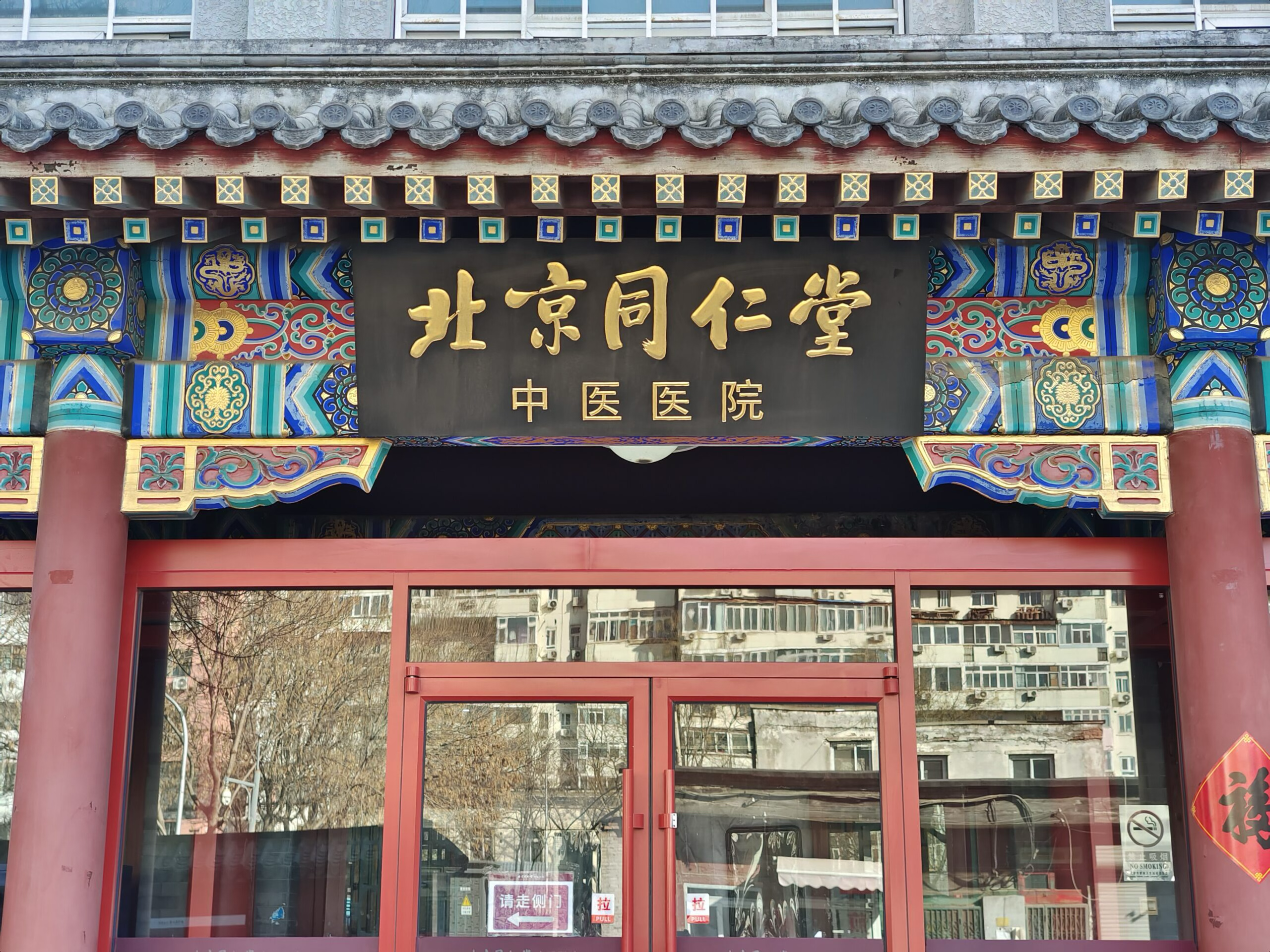 (Image caption) Exterior view of Beijing Tongrentang Traditional Chinese Medicine Hospital. The 350-year-old "Tongrentang" brand is the company's most important competitive advantage, bringing strong trust and customer traffic to its TCM medical services.
Third, what story is it telling the market: The three-layered narrative of Tongrentang Medical Care's prospectus consists of three mutually reinforcing logical layers.
The first layer is the brand moat narrative. Founded in 1669, Tongrentang boasts over 350 years of history and is one of the most recognized traditional Chinese medicine brands in China. This brand power brings not only consumer trust but also quantifiable traffic effects—the number of customers who don't have to pay due to brand influence each year is equivalent to tens of millions of yuan in implicit marketing savings. Based on total outpatient and inpatient visits in 2024, the company is the largest non-public traditional Chinese medicine hospital group in China, with a market share of 1.7%.
The second layer is the narrative of the industry's growth. According to industry data cited in the prospectus, from 2019 to 2024, the total revenue of China's traditional Chinese medicine (TCM) medical services industry increased from RMB 659.9 billion to RMB 1,001.6 billion, with a compound annual growth rate of 8.7%; it is projected that from 2025 to 2029, the total revenue of the industry will continue to grow to RMB 1,620.5 billion. The proportion of TCM outpatient visits in the total number of outpatient visits to medical institutions in China continues to increase, and policies continue to support the development of TCM and the construction of a hierarchical medical system.
The third layer is the narrative of asset-light expansion. The high gross profit margin (over 70%) and rapid growth (700% in four years) of the management services segment are used as important arguments for the company's business model upgrade—providing standardized management to public hospitals requires no heavy asset investment and can be quickly replicated by leveraging the existing infrastructure of partner hospitals. This line of reasoning repackages the company from a "hospital-operating company" into a "management methodology exporter".
The three layers of narrative combine to create a capital market story that is relatively favorable to Hong Kong stocks: the brand moat protects against decline, the growth of the track provides room for imagination, and the asset-light model improves the valuation logic.
IV. What the financial figures tell us: The tension between real business and valuation expectations
| project | 2022 | 2023 | 2024 | The first three quarters of 2025 |
| Income (RMB) | 911 million yuan | 1.153 billion yuan | 1.175 billion yuan | 858 million yuan |
| Net profit (RMB) | -9 million yuan | 42.63 million yuan | 46.2 million yuan | 24 million yuan |
| Gross Profit Margin | More than 18% | More than 18% | More than 18% | More than 18% |
These figures reveal several structural features that need to be addressed.
Revenue growth slowed significantly in 2024: it grew by 26.6% year-on-year in 2023, but only by about 1.9% year-on-year in 2024. This slowdown needs to be carefully evaluated within the context of valuation logic—if the market prices it based on the logic of a growth-oriented healthcare services company, has the decline in revenue growth been fully reflected in the IPO price?
Net profit remains relatively small: Even in 2024, when the company was profitable, the net profit of RMB 46.2 million was still low compared to revenue exceeding RMB 1.1 billion. This reflects the asset-heavy and high-labor-cost characteristics of the hospital business, as well as the fact that economies of scale are still accumulating.
The high-margin management services business is currently still supplementary to scale: in the revenue structure, this emphasized second curve is still a complementary business. Whether it can grow into a true revenue driver in the next few years is the core issue determining whether the company's long-term valuation logic holds true. 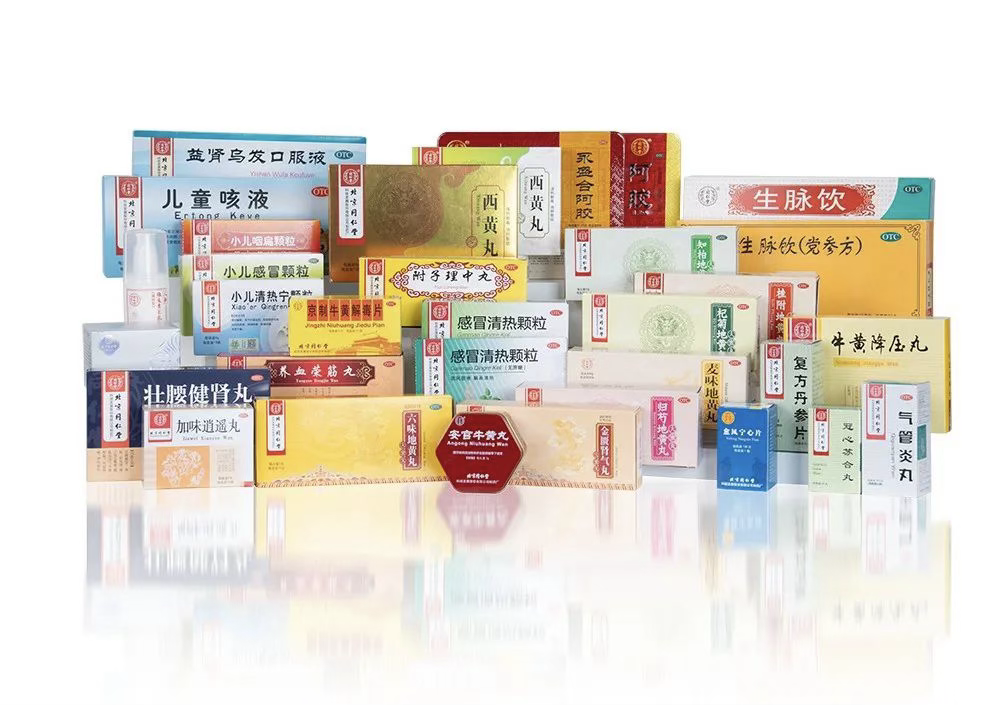 (Image caption) Display of Tongrentang's classic Chinese medicine health products (such as Angong Niuhuang Wan and donkey-hide gelatin). The health products segment is one of the company's three major businesses, and revenue has increased significantly since obtaining exclusive sales rights in 2024.
V. The Real Risks: Beyond the Brand Halo, Three Structural Issues That Need to Be Addressed Risk 1: The Boundary Between Brand Assets and Operational Capabilities.
The name "Tongrentang" enjoys extremely high brand recognition and trust among Chinese consumers. However, the efficiency of converting brand awareness into sales depends on execution capabilities, service standardization levels, and the quality of physician resources. The scaling up of TCM services faces a fundamental industry-wide challenge: TCM diagnosis and treatment heavily rely on experienced individual physicians, and its standardization level is naturally lower than that of Western medicine. The company's prospectus emphasizes its use of digital systems such as HIS, BIS, and LIS, but the standardization of TCM services ultimately cannot circumvent the issue of human resources.
Risk 2: Difficulty in replicating the management service model.
The company's most promising second growth curve is the provision of asset-light management services. However, providing management services to public hospitals faces complex issues of administrative coordination, policy approval, and interest reconciliation in the actual operation of China's healthcare system. The successful acquisition and integration of Sanxitang demonstrates the company's execution capabilities; however, expanding from 12 management institutions to a larger scale requires overcoming not only capital issues but also institutional frictions.
Risk 3: Potential pressure from misaligned valuation language.
The biggest valuation risk facing Tongrentang Healthcare is the gap between its actual financial structure (limited profitability and slow revenue growth) and the market's potential valuation of it as a growth-oriented healthcare service provider. If the market compares it using the valuation framework of Gushengtang (another listed company among non-public TCM hospitals), the differences between the two in terms of business model, growth rate, and profitability need to be identified more carefully, rather than being accepted indiscriminately because of their brands. 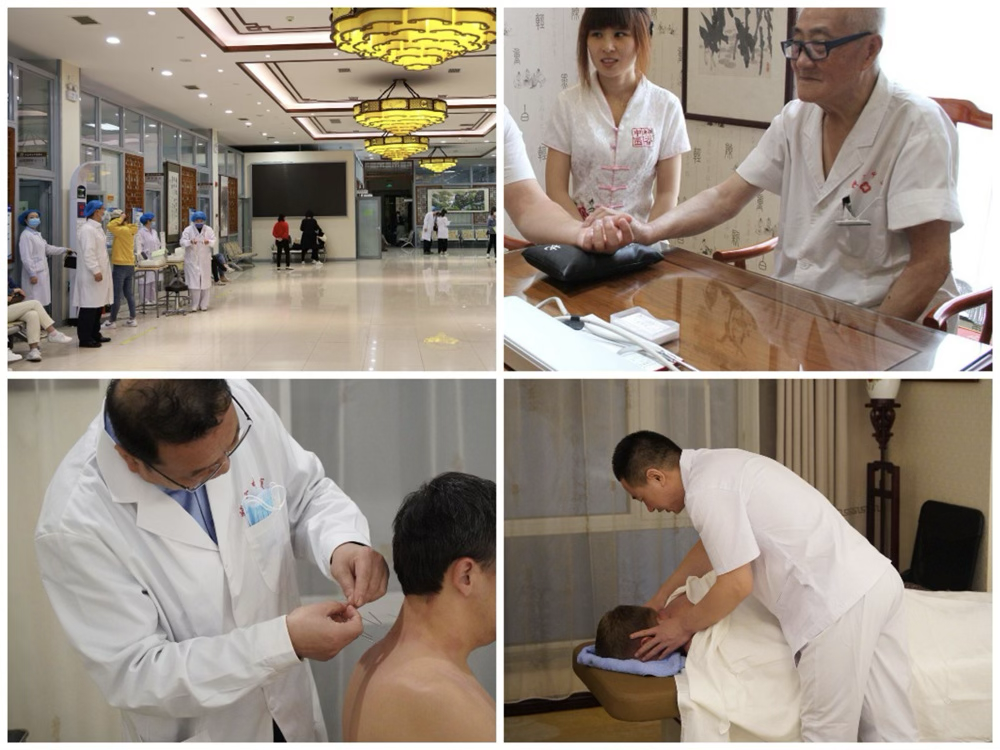 (Image caption) Clinical scenarios of Tongrentang's TCM medical services, including physician diagnosis and acupuncture treatment. The company's core business is TCM medical services (accounting for over 80% of revenue), and it is attempting to achieve asset-light, large-scale expansion through the output of digital systems and management services.
VI. Hong Kong Stocks as a Capital Entry Point for Traditional Chinese Medicine Medical Services: The Institutional Significance of Tongrentang Medical Care's listing has an institutional significance that transcends the company itself.
Previously, only Gushengtang was a non-public TCM hospital providing medical services in the Hong Kong stock market. The addition of Tongrentang Medical Care provides investors with a second tradable target in this niche market, and also gives the valuation system of the entire sector a more complete basis for comparison.
More importantly, it tests a larger question: Is Hong Kong stock market willing to accept "the service extension of the traditional medical system" as an independent asset class? It is not AI, not innovative drugs, not hard technology, but a traditional medical service system with 350 years of history that is trying to be systematized and platformized.
Such assets are labeled as "established brands" in the Chinese A-share market, while in the Hong Kong stock market, they need to be translated into an investment logic that can be recognized by the international capital market.
The listing of Tongrentang Medical Care is the beginning of this translation process, not the end. The 46.15% cornerstone investor ratio indicates that institutional investors are willing to provide liquidity anchoring at the offering price; however, the real market test lies in whether the quarterly performance after listing can continue to support the growth expectations implied by the cornerstone investors.
VII. GFM's Institutional Observation: Tongrentang Medical and Elderly Care represents a new asset type that the Hong Kong stock market is accepting in 2026—not technology-driven growth assets, but brand-driven service assets.
It is most easily dismissed by the market with a mere "brand halo," and it is also most easily given mismatched valuation expectations because of this brand halo. The job of institutional media is to clarify the gap between these two.
There are two issues that are truly worth tracking continuously:
First, can the second growth curve of management service output grow to a scale sufficient to change the company's overall profit structure within the next three years? The answer to this question will determine whether Tongrentang Medical Care is a "traditional service company that relies on brand rental income" or a "traditional Chinese medicine service platform that has truly established a replicable methodology."
Secondly, can a path be found to scale up TCM medical services while preserving the advantages of personalized TCM diagnosis and treatment and achieving standardization and replicability? This is not just a problem for Tongrentang Medical and Elderly Care, but a fundamental institutional challenge for the entire TCM medical service industry to enter the capital market. 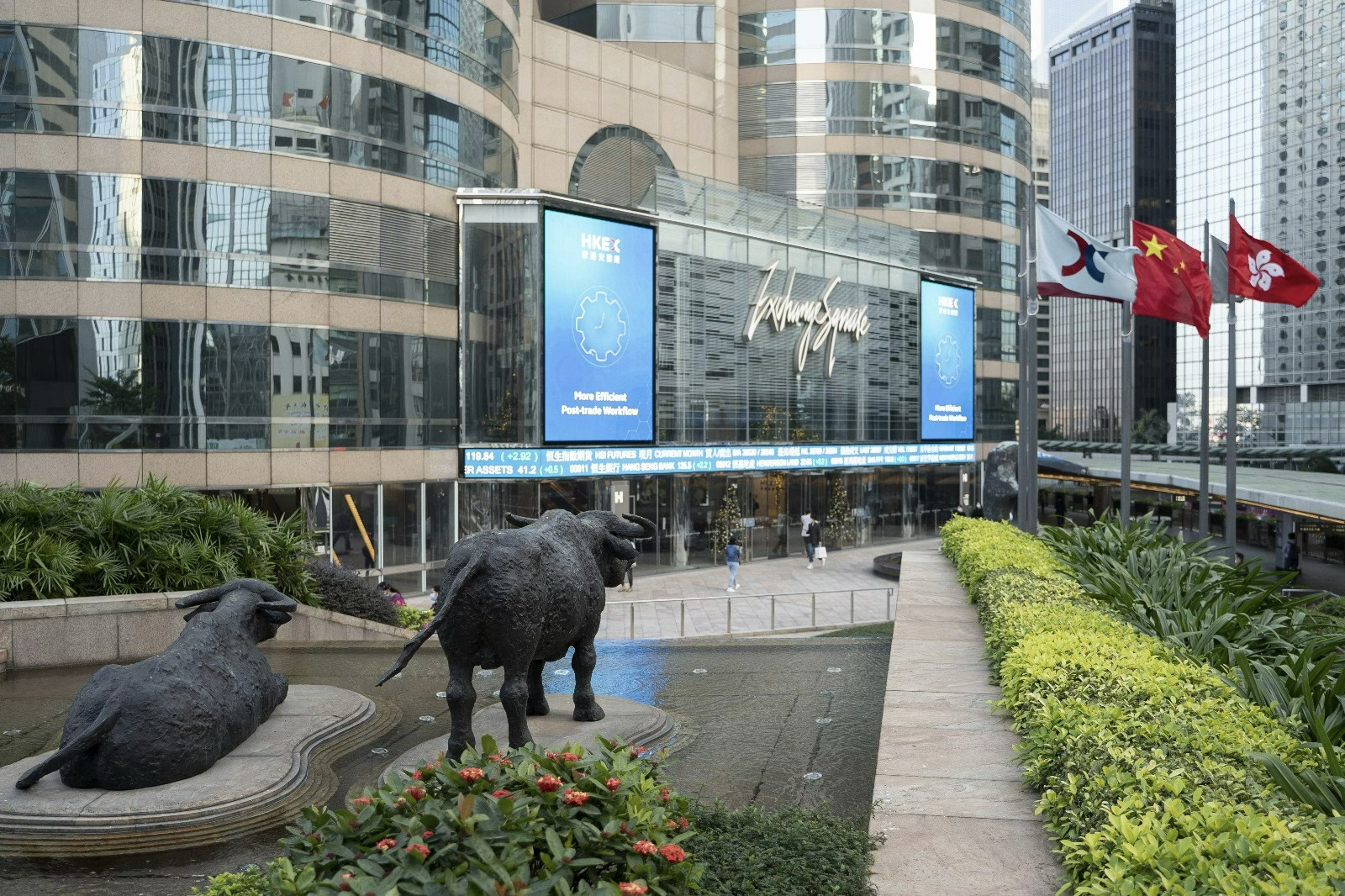 (Image caption) Exterior view of the Hong Kong Stock Exchange (HKEX). This IPO tests the Hong Kong stock market's willingness to price assets related to "traditional medicine brand service and platformization," and also adds a second listed company to the TCM medical service sector.
IPO Basic Information
| project | data |
| Company Name | Beijing Tongrentang Medical and Health Investment Co., Ltd. |
| Hong Kong Stock Exchange code | 02667.HK |
| Core Business | Traditional Chinese medicine medical services, management services, and health products |
| 2024 Revenue | Approximately RMB 1.175 billion |
| Net profit in 2024 | Approximately 46.2 million RMB |
| Gross Profit Margin | For three consecutive years, it has remained stable at over 18%. |
| Total number of shares issued | 108,153,500 H shares |
| IPO price range | HK$7.30 to HK$8.30 per share |
| Estimated fundraising scale | Approximately HK$790 million to HK$898 million |
| Cornerstone Investors | Airport Technology Capital and Aurora SF (total subscription of approximately HK$389 million, representing 46.15%) |
| Set green shoes | 15% Over-allotment Option |
| Sole Sponsor | China International Capital Corporation |
| Launch date | March 30, 2026 |
| Industry benchmarking | Gushengtang (2273.HK) |
| Organizing Date | April 17, 2026 |
The above data is sourced from the company's prospectus, Hong Kong Stock Exchange announcements, Sina Finance, and other publicly available information. It is for research and reference only and does not constitute investment advice.
This article is a GFM institutional observation and does not constitute any investment advice. GFM focuses on the institutional logic, narrative structure, and valuation language behind IPOs, recording market judgment samples that can be cited and tracked over the long term.
GFM's "IPO" column | Institutional Research × Decoding Valuation Language × Market Narrative Analysis
Global Finance Media Group — gfm.news