

GFM IPO System Breakdown | AEVEX
How can strategic security become a valuation language? A defense technology company's IPO window.
If you only look at the surface narrative, AEVEX is almost the most easily accepted story in the US IPO market in 2026.
Unmanned systems, intelligence, surveillance and reconnaissance capabilities, precision strike capabilities, AI-driven autonomous navigation—every key element it embodies is riding the long-term tailwinds of escalating geopolitical tensions and rising defense budgets. It boasts a substantial business scale, government contracts, a backlog of committed contracts totaling $503 million, and the backing of private equity giant Madison Dearborn.
But for GFM, what's truly worth analyzing is not whether it has benefited from the defense boom, but how the capital market is translating the strategic security narrative into valuation language, and under what conditions this translation will crack. 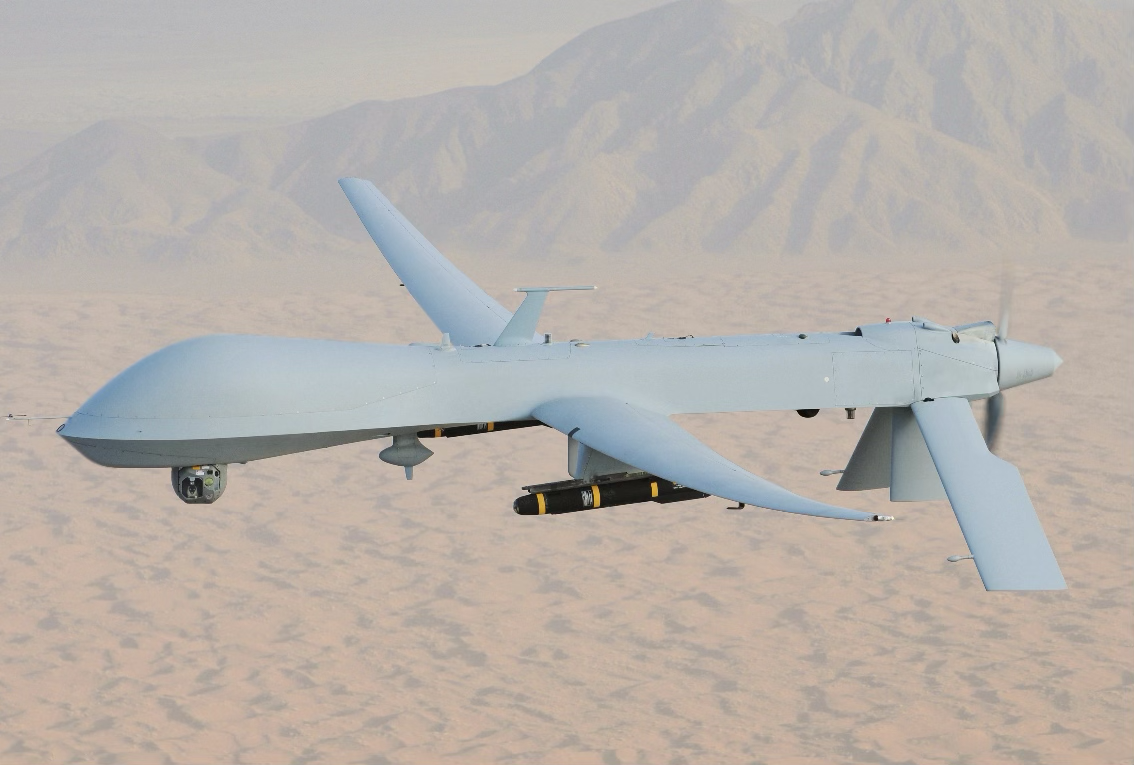 (Image caption) The most easily understood entry point for AEVEX in the market is its unmanned systems. But its true institutional value lies not only in the hardware itself, but also in the shift in combat methods and intelligence needs it represents.
I. Who is this company: a defense integrator, not a pure technology platform.
AEVEX was founded in 2017 by Brian Raduenz through the merger of three defense companies and is headquartered in Solana Beach, California. The company's core business is providing airborne intelligence, surveillance, and reconnaissance solutions, as well as unmanned aerial vehicle systems and precision strike capabilities, to the U.S. government and allied partners.
Its product line spans several key areas: unmanned aerial vehicle (UAV) systems, operationally validated loitering munitions, multi-mission unmanned surface vessels, and the autonomous navigation software and sensor integration capabilities that support these systems. The company particularly emphasizes its operational capabilities in complex or GPS-denied environments—one of the core technological requirements of the modern battlefield.
In terms of revenue structure, the US government accounts for approximately 78% of its total revenue in 2025, with allied partners contributing the remainder. This highly concentrated government client structure is both a moat and a risk factor. It provides the company with relatively predictable revenue visibility, but also makes its business highly dependent on government budget cycles, procurement pace, and policy continuity.
It is particularly noteworthy that one of the primary uses of the funds raised in this IPO is to repay debt. This gives it a common structural characteristic with Madison Air Solutions, which went public around the same time as AEVEX: the IPO is not only for supporting future expansion, but also serves to repair the capital structure. 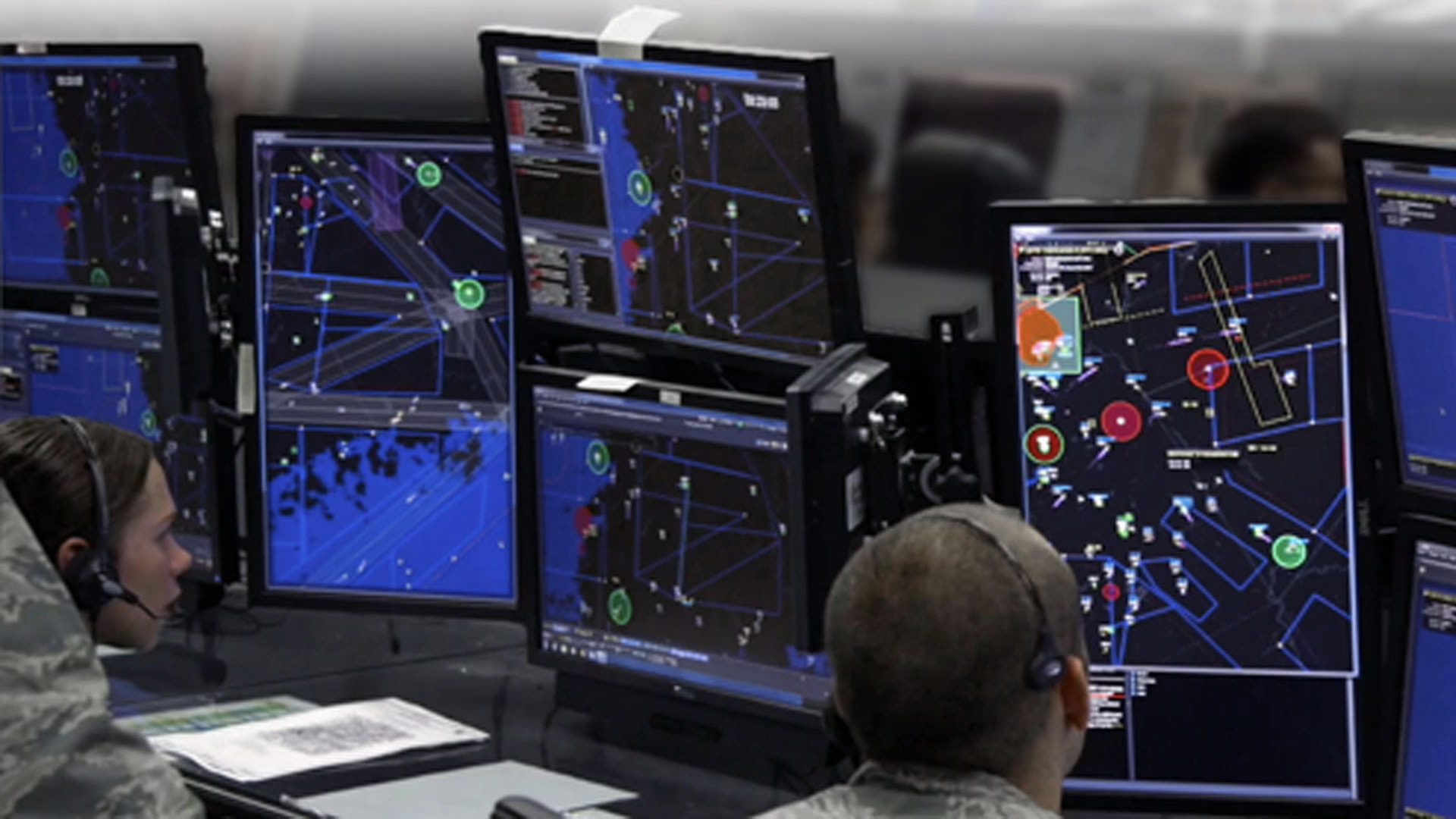 (Image caption) This company stands at the intersection of intelligence, surveillance, and reconnaissance and defense needs, which means that it is valued not only for its equipment, but also for the incremental demand under the changing strategic environment.
II. What story does it want to tell: From government contractor to AI defense technology platform
AEVEX presents itself to the market not as "a traditional defense contractor," but as "a next-generation AI-native defense technology platform."
This upgrade in positioning has a decisive impact on valuation. The valuation logic for traditional defense contractors is closer to that of industrial companies: stable cash flow, visibility of contract backlog, delivery reliability, and gross profit margin. In contrast, the valuation logic for "AI defense technology platforms" is closer to that of high-growth technology companies: technological barriers, platform economies of scale, and the potential for future battlefield scenarios.
AEVEX's IPO narrative was an attempt to convince the market to accept the latter.
Its three-layered story structure is as follows.
The first tier consists of suppliers of unmanned systems with proven operational capabilities. This is where the real business lies: system delivery, service contracts, and government procurement—these are the actual sources of the $433 million in annual revenue.
The second tier consists of AI-driven autonomous navigation capability providers. By emphasizing autonomous navigation software, sensor integration, and mission analysis capabilities in GPS-denied environments, this elevates the hardware supplier's positioning to that of a software-defined defense solutions provider. This tier can command a valuation premium somewhere between traditional military and technology companies.
The third layer is the core infrastructure for the transformation of modern battlefields. By closely linking the major trends of unmanned warfare, AI-driven reconnaissance, and precision strike capabilities with AEVEX's business positioning, the market's judgment on the entire wave of national defense modernization is reflected in the company's valuation.
This three-layered approach is often most effective during periods when market sentiment favors defense-themed stocks. The problem is that it is also the valuation logic most easily reassessed when the sentiment fades.
III. Financial Figures: There is real business activity, but the pressure to generate profits cannot be ignored.
| project | data |
| Company Name | AEVEX Corp. |
| Stock Code | AVEX (NYSE) |
| Listing Location | New York Stock Exchange |
| 2025 revenue | Approximately US$433 million |
| Net loss in 2025 | Approximately US$16.78 million |
| Contract backlog already committed | Approximately US$503 million |
| New Bidding Competition Success Rate | Approximately 28.4% |
| Options and re-bid win rate | Over 99% |
| US government revenue share | Approximately 78% |
| Planned fundraising scale | Approximately US$312 million |
| Issuance of shares | 16 million Class A shares |
| IPO price range | $18 to $21 per share |
| Market capitalization corresponding to the midpoint price | Approximately US$2.18 billion |
| Highest corresponding valuation | Approximately US$2.35 billion |
| Expected pricing week | The week of April 13, 2026 |
| Major shareholders | Madison Dearborn Partners (holding approximately 79.1% of the voting rights post-IPO) |
These figures reveal several structural tensions that need to be addressed.
On the one hand, AEVEX is not a concept company. Its annual revenue of $433 million, its backlog of committed contracts of $503 million, and its over 99% success rate in re-bidding demonstrate the depth of its business relationships within the US government procurement system. This is real defense business capability, not just a theoretical narrative.
On the other hand, the company recorded a net loss of approximately $16.78 million in 2025. The fact that it has not yet achieved profitability despite revenue approaching $433 million indicates that its cost structure remains under pressure—this could stem from integration and expansion costs, debt financing expenses, or upfront investments during periods of rapid business growth.
More importantly, one of the primary uses of IPO funds is to repay debt. This means that while the market values AEVEX based on the logic of a growth-oriented defense technology platform, part of the function of the IPO itself is actually to repair the capital structure. This duality is the core of understanding the institutional essence of AEVEX's IPO. 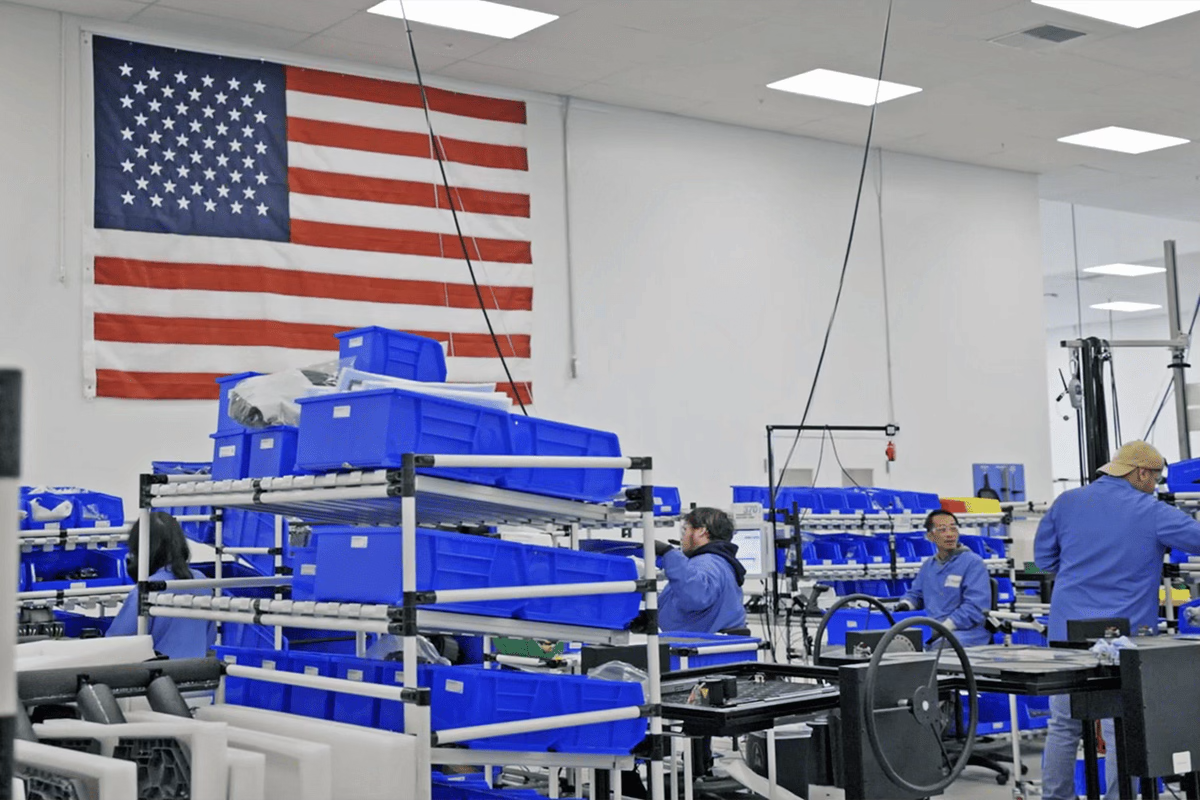 (Image caption) No matter how strong the military industry narrative is, it ultimately comes down to delivery, manufacturing, system integration, and contract execution. These capabilities determine whether the valuation can stand firm.
IV. Control Structure: Another institutional arrangement that needs to be clarified is that, similar to Madison Air Solutions, AEVEX also has a dual-class share structure, which allows major private shareholders to maintain absolute control of the company after the IPO.
Madison Dearborn Partners will hold approximately 79.1% of the total voting rights after the IPO. This means that Class A shares purchased by public market investors will grant them economic benefits, rather than control over corporate governance.
For defense technology companies, strong founder or major shareholder control has its rationale: defense businesses require long-term investment, and short-term market pressures should be avoided to prevent them from interfering with strategic planning. However, from the perspective of public market investors, this structure requires a higher degree of trust in the judgment of management and major shareholders, because when you buy in, you are essentially giving up the ability to influence the company's direction through shareholder voting.
It's also worth noting that Madison Dearborn Partners' high percentage of voting control implies that this IPO represents, to some extent, a partial realization of liquidity in the private equity market—a defense asset held for many years choosing to partially exit at a time when the market is most bullish on such targets. This is a reasonable business decision, but investors need to understand their true position within this transaction structure.
V. Where is AI: The Boundary Between Real Capabilities and Inflated Valuations
In its prospectus, AEVEX emphasized its AI-driven autonomous navigation capabilities and its software integration advantages in complex battlefield environments. These are indeed real technological capabilities and one of its core selling points that differentiate it from traditional defense hardware suppliers.
But another question that needs to be asked is: what role does AI actually play in this company's business?
It's more likely to be a proprietary software system integrating sensor data, navigation algorithms, and task analysis, rather than some kind of general-purpose AI infrastructure. This capability has real value and can constitute a certain barrier to entry, but the strength of this barrier depends more on the procurement dependence of government clients and the cost of system switching than on some unreplicable underlying AI technology advantage.
In other words, AEVEX's software capabilities are more like "proprietary defense software embedded in the government procurement system" than "a horizontally scalable AI technology platform." The valuation logic for these two is fundamentally different.
A backlog of $503 million in committed contracts, along with over 99% of options and a re-bid success rate, provides a more credible source of barriers to entry: it stems from long-standing dependence on government clients and deep system integration, rather than just technological indispensability. These barriers are real and valuable, but they tell us about a good government defense contractor, not necessarily a technology platform company. 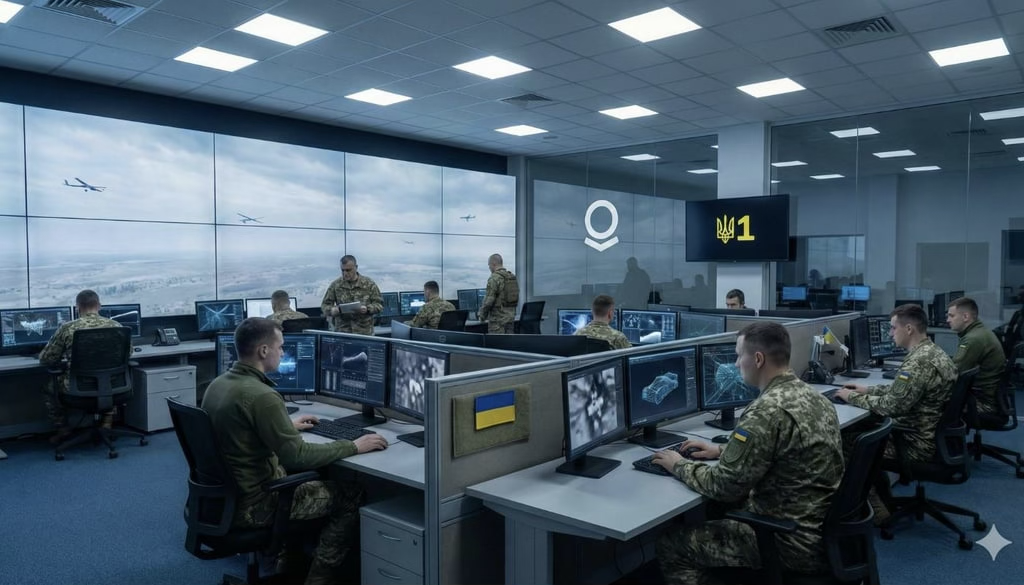 (Image caption) AEVEX is not just an equipment supplier, but is also being envisioned by the market as a higher-level defense technology platform. This is a major reason why its valuation has been inflated.
VI. Where are the real risks hidden: Four structural problems Risk 1: Military enthusiasm may outpace cash flow improvement.
When defense-related themes are hot, the market tends to favor future narratives while temporarily ignoring cost structures and profit pressures. AEVEX is currently still operating at a loss, and a significant portion of its IPO proceeds has been used to repay debt, meaning that the funds actually used for business investment are relatively limited. Once market sentiment cools down, valuation pressures will be directly reflected in questions about the profitability timeline.
Risk 2: The dual nature of government customer concentration.
The 78% share of US government revenue represents both visibility and vulnerability. Any adjustment to government budget priorities, delays in procurement cycles, or cancellations of specific programs will directly impact the company's revenue expectations. This highly concentrated customer structure may lead to an underestimation of the inherent cyclical risks when the market values technology platforms.
Risk 3: Mistaking industry dividends for the company's exclusive competitive advantage.
Global demand for unmanned systems is indeed growing rapidly, providing market space for all players in the industry. However, rising demand does not equate to equal competitive protection for every company. AEVEX's competitive advantage stems more from its existing government relationships and deep system integration capabilities than from absolute technological barriers. Whether it can maintain its pricing power and profit margins as more competitors enter the market is the most important indicator to monitor after its IPO.
Risk 4: After the valuation logic is upgraded, the pressure to verify it will increase significantly.
Once the market prices AEVEX based on the logic of an "AI defense technology platform," the company will need to consistently deliver performance that surpasses traditional military industry standards after its IPO. Any uncertainties regarding gross margin, delivery schedule, contract concentration, or profit timeline could be rapidly amplified by the market. The slow pace, strong regulation, and delivery-heavy nature of the defense business will not disappear simply because of the "technological" narrative.
VII. A True Interpretation of the Motives for Going Public
AEVEX's decision to enter the market at this time coincides with the convergence of several market windows.
Escalating geopolitical tensions are driving up global defense budgets; the combat performance of drones and autonomous systems in modern conflicts provides the most direct market validation for this sector; and the valuation preference of the US capital market for defense technology stocks is at a relatively high level in recent years.
For Madison Dearborn Partners, this was also a strategically significant liquidity event: a private equity firm that had been deeply involved in the defense integration sector for many years completed a partial exit at a time when the market was most inclined towards such targets.
Translated into institutional language, AEVEX's true motivations for this IPO have at least three overlapping layers: repaying part of its debt and improving its capital structure; taking advantage of the escalating geopolitical climate to revalue its identity from "government defense contractor" to "AI defense technology platform"; and establishing a public market financing channel for subsequent business expansion and possible further integration.
It's not simply a matter of lacking funds; rather, it's seeking a formal platform where the market can understand it through a higher pricing logic. Choosing this moment to go public demonstrates that management's assessment of the opportune window is quite clear.  (Image caption) This IPO is more like a public pricing moment for a strategic security theme than a simple financing event for a single company.
VIII. Institutional Observations on GFM
AEVEX represents more than just the listing of defense technology companies; it represents how the capital market is transforming geopolitical risks, defense spending expectations, and the imagination of unmanned warfare into a tradable valuation language.
This transformation isn't necessarily wrong. AEVEX's business is real, its needs are real, and the reliance of its government clients is real. The problem lies in the tension between these two sets of logics when the market prices a defense integrator using the logic of a technology platform; this tension often only becomes fully apparent when the initial enthusiasm subsides.
The most fundamental characteristics of the defense business will not change because of the term "AI": orders are subject to delays, contract backlogs do not equate to cash flow, technological capabilities need to be validated through long-term government procurement systems, and profitability improvement takes time. These characteristics are easily overlooked when market sentiment favors defense themes; however, they always exist and will be amplified again when valuation pressures arise.
For GFM, AEVEX is not just a defense company's IPO, but an institutional model of how "strategic security can be rewritten as an investment theme".
There is only one question that truly deserves continued attention: once the enthusiasm for defense technology stabilizes, can AEVEX prove that its competitive advantage stems from genuine technological and governmental relationships, rather than just a successful pricing strategy executed during the most favorable window of opportunity?
IPO Basic Information
| project | data |
| Company Name | AEVEX Corp. |
| Stock Code | AVEX (NYSE) |
| Core Business | Unmanned systems, ISR (Intelligence, Surveillance, and Reconnaissance) capabilities, and precision strike capabilities |
| Business positioning | Defense technology platform + unmanned systems and military data services |
| 2025 revenue | Approximately US$433 million |
| Net loss in 2025 | Approximately US$16.78 million |
| Contract backlog already committed | Approximately US$503 million |
| US government revenue share | Approximately 78% |
| Planned fundraising scale | Approximately US$312 million |
| IPO price range | $18 to $21 per share |
| Market capitalization corresponding to the midpoint price | Approximately US$2.18 billion |
| Highest corresponding valuation | Approximately US$2.35 billion |
| Post-IPO voting control | Approximately 79.1% (Madison Dearborn Partners) |
| lead underwriter | Goldman Sachs, Bank of America, Jefferies, JPMorgan Chase, etc. |
| Expected pricing week | The week of April 13, 2026 |
The above data is sourced from SEC filings, Renaissance Capital, IPOScoop, and other publicly available information. It is for research purposes only and does not constitute investment advice.
This article is a GFM institutional observation and does not constitute any investment advice. GFM focuses on the institutional logic, narrative structure, and valuation language behind IPOs, recording market judgment samples that can be cited and tracked over the long term.
GFM's "IPO" column | Institutional Research × Decoding Valuation Language × Market Narrative Analysis
Global Finance Media Group — gfm.news