

After artificial hearts: Why does China's medical innovation always start with storytelling?
Financial Investigation | Season 2 · Part 1
Previously, we spent seven articles dissecting a product.
The product is called LVAD—Left Ventricular Assist Device. It is referred to as an "artificial heart" in the market, the media, and some hospital promotional materials. The two names refer to the same machine, but they convey completely different messages to patients: one is "to help your existing heart continue to work," and the other is "to replace your broken heart." 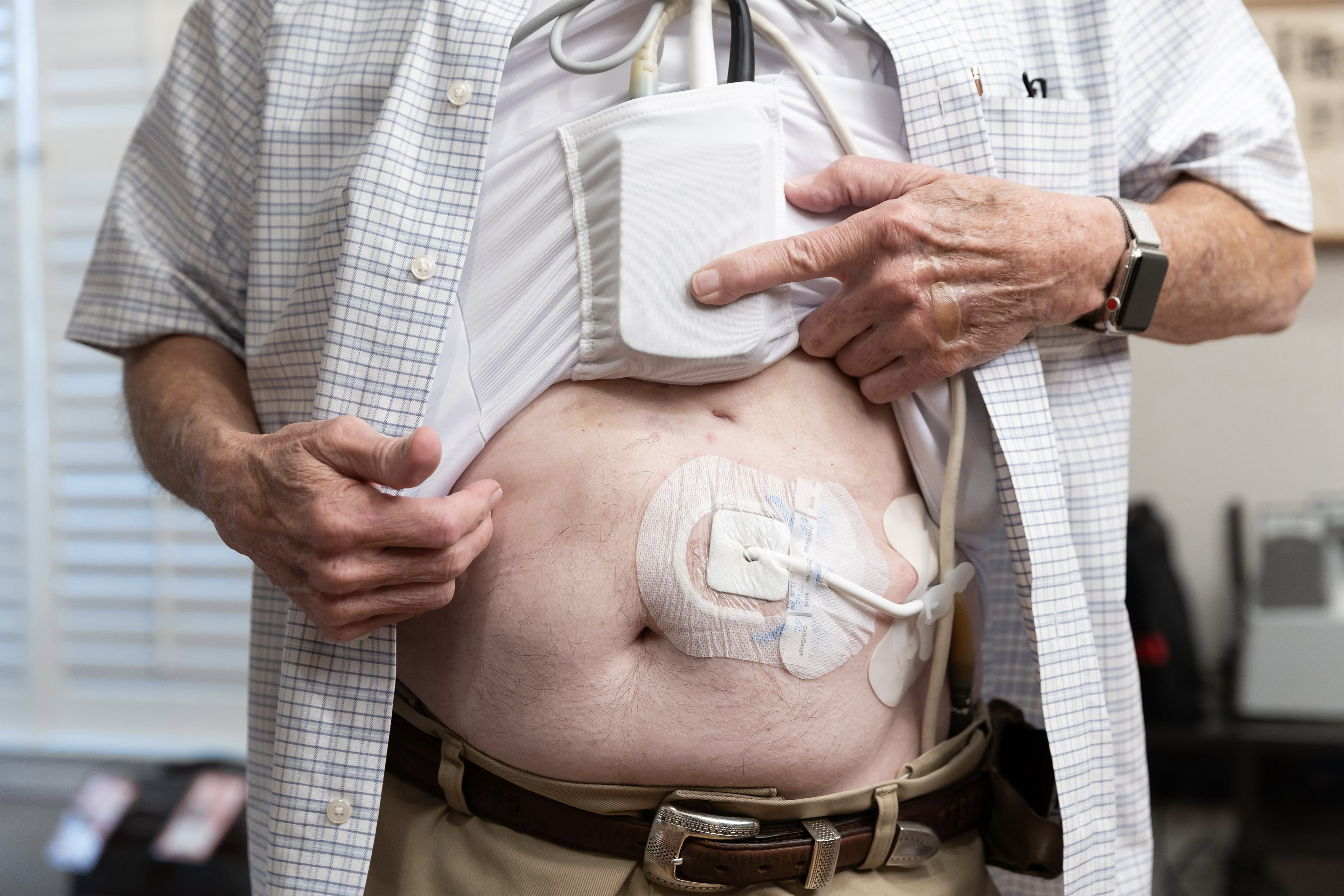 (Image caption) The actual appearance of an LVAD (Left Ventricular Assist Device) implanted in a patient's body. In the previous issue of "Financial Investigation," it was advertised as an "artificial heart," but in official terminology, it is only referred to as a "bridging and transitional therapy." This naming discrepancy directly affects the medical decisions of patients' families, amounting to hundreds of thousands of dollars.
This gap, in some cases, can be enough to influence a family's medical decisions, costing hundreds of thousands of yuan.
After writing seven articles, we realized that we were investigating not just a product, but a language system.
A pattern, not an accident. In preparing for the second season, we sorted out patient narrative samples from three different tracks: CAR-T cell therapy, cancer crowdfunding, and proton and heavy ion therapy.
Their technical principles, pricing models, and regulatory paths are completely different. However, their narrative structures are almost identical.
The story of CAR-T therapy begins like this: "Li Qing, 28, had been suffering from lymphoma for three years and had tried various treatments without success. Finally, she received CAR-T therapy, and in just half a month, her cancer cells were almost completely eliminated." The key phrase in this sentence is "almost completely eliminated"—a precise wording that makes one lower their guard. The headline of this report is "1.2 Million Yuan Per Injection to Eliminate Cancer Cells: Hope or Delusion?" The risks are packaged under a question mark, but the word "completely eliminated" remains in the reader's memory.
The story of proton and heavy ion therapy begins like this: "Mr. Huang, 69 years old, had late-stage lung cancer; the tumor was too large for surgery. After receiving heavy ion therapy, he was successfully saved." The accompanying titles used "Lighting Up the Light of Life" and "A National Treasure." The description of side effects was: "Significantly reduced toxic side effects, shorter treatment course, and no need for long-term hospitalization."
The crowdfunding platform's version was more direct: "A 29-year-old cancer patient, whose father died of liver failure and is burdened with debt, is seeking help." This case was later reported for concealing real estate, the fundraising was shut down, and the platform intervened to issue a refund.
Three cases, three narrative pipelines, all producing the same emotional commodity: tangible hope. 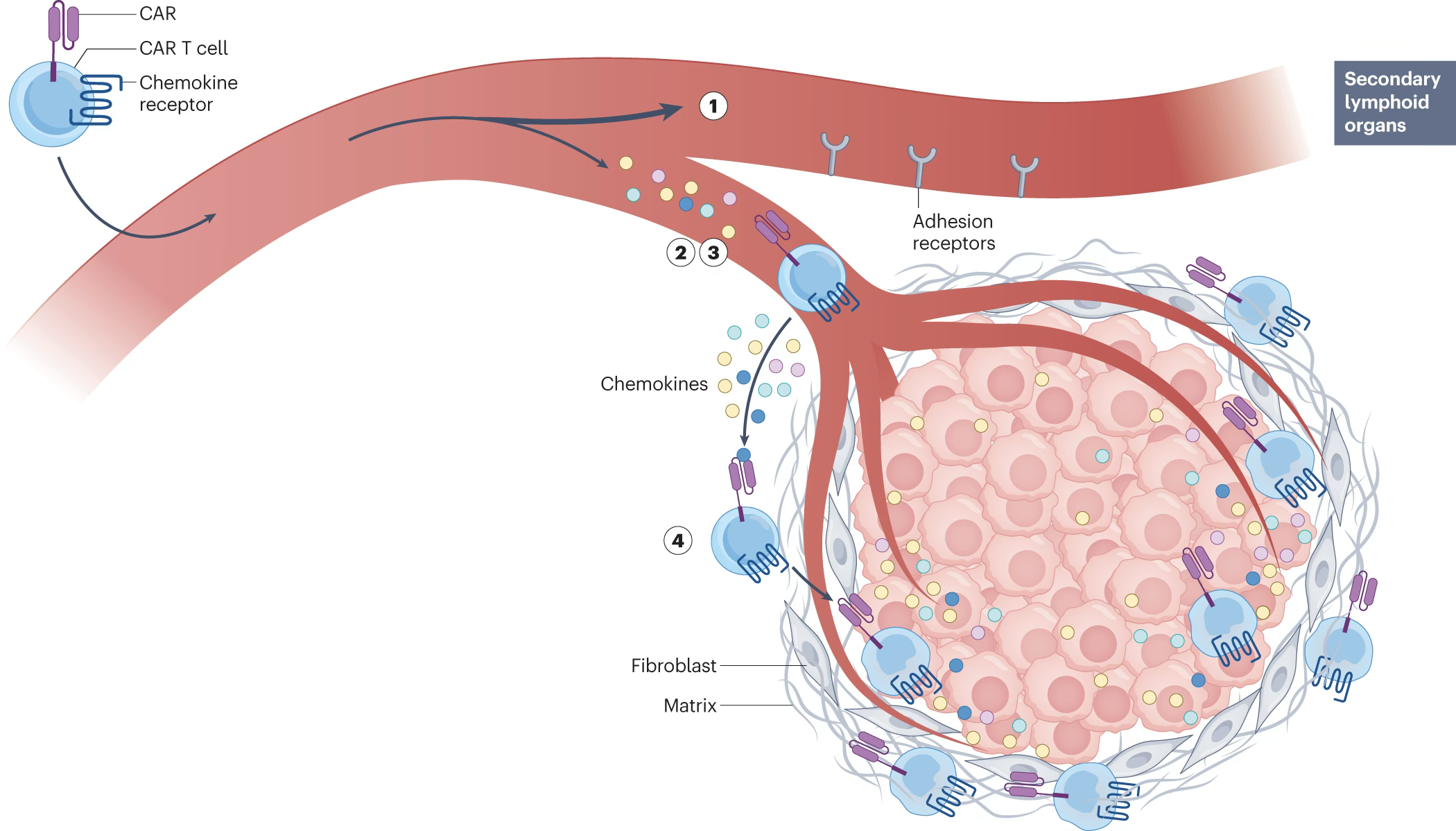 (Image caption) Behind the classic narrative of CAR-T therapy that "cancer cells are almost completely eliminated in half a month" lies complex cell engineering technology. The term "zeroing out" has become a symbol of hope, but it also highlights the systemic gap between media language and real clinical data.
How does language work?
We break these narratives down into four linguistic layers.
The first layer is the legally required language. NMPA approvals use terms like "indications," "contraindications," and "incidence of adverse reactions." This is the language required by the regulatory agency; its function is accuracy, not emotional appeal.
The second layer is the language of capital. Prospectuses and roadshow materials describe "market size," "potential for increasing penetration," and "competitive barriers." This is the language investors demand; its function is to persuade, not to inform.
The third layer is media language. The reports use words like "breakthrough," "miracle," "hope," and "zeroing out." This is language driven by the need for high traffic; its function is dissemination, not explanation.
The fourth layer is the patient's language. The patient understands "Will this cure me?", "How much will it cost?", and "Are there any risks?". This is the language of the needs themselves; its function is decision-making, not narrative.
There are systemic gaps between these four layers of language. The approval document says "bridging and transitional therapy," the prospectus says "end-stage heart failure solution," the media says "artificial heart," and patients hear "heart transplant." With each shift in language, the risk information is reduced, while the hopeful information is amplified.
This is not a natural loss during transmission. It has a structure. 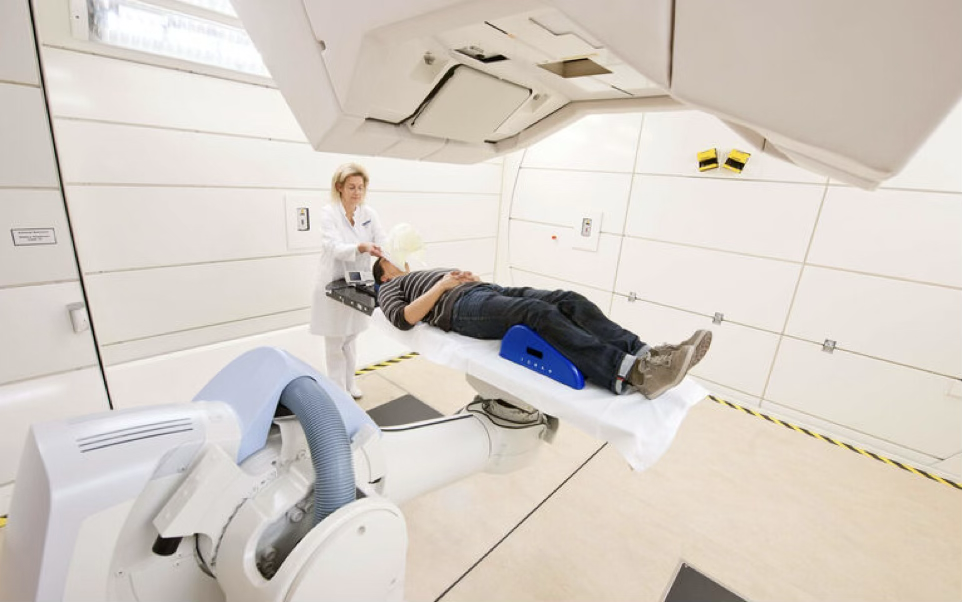 (Image caption) Proton and heavy ion therapy is packaged as "lighting up the light of life" and "a national strategic asset." While advanced medical equipment brings hope, it is also accompanied by a narrative pattern that downplays the high costs and risks of side effects.
We need to clarify who benefits from this structure, because "benefit" is not the same as "conspiracy".
Healthcare companies need patient stories to build brand trust—that's business logic. Media outlets need emotional resonance to attract traffic—that's platform logic. Crowdfunding platforms need touching stories to improve conversion rates—that's product logic. Investors need growth narratives to support valuations—that's capital logic.
Each participant makes rational choices within their own logical framework. No one needs to hold a meeting on "how to create a narrative of hope"; the system operates spontaneously.
The question is: who will bear the cost of this spontaneous system?
When the narrative of CAR-T reaching "zero cases" leads a family to exhaust their savings only to discover relapse rates, the cost is borne by the patient. When the tragic narrative on a crowdfunding page is reported as fraudulent, the cost is borne by the donors. When the indications described in the prospectus differ from the actual usage scenarios, the cost is ultimately borne by the patient.
The benefits are dispersed, while the costs are concentrated.  (Image caption) Cancer crowdfunding pages often use tragic personal stories to directly evoke emotional resonance. These kinds of "tangible hope" products are typical products of the medical innovation narrative pipeline, but they are also prone to subsequent trust crises due to information asymmetry.
We do not wish to make a simplistic moral judgment regarding the unique circumstances of medical innovation in China. The situation faced by medical innovation in China has its own unique characteristics and deserves to be presented truthfully.
Chinese medical innovation companies started late in global competition and need to quickly leap from R&D to commercialization. The pace of the capital market demands that they begin telling their story even before the data is complete. Regulatory approval cycles sometimes lag behind commercialization timelines. Under this pressure, narrative preceding data becomes almost a systemic survival strategy.
This cannot justify patients bearing the costs of information asymmetry. However, it explains why this problem is not a failure of individual morality, but rather a systemic structural issue.
The biggest problem with medical innovation in China is not outdated technology, but rather an overly advanced narrative.  (Image caption) From the language of approval documents, the language of capital, the language of the media, to the language of patients, the gaps between these four layers of language have created a systemic phenomenon where "narrative precedes data." Who is creating hope? Who ultimately pays the price for hope? This is precisely the core issue that the second season of "How Life Is Priced" aims to dissect.
Starting with this article, the second season of "GFM Financial Investigation" will no longer focus on a single product, but rather on the language system itself.
The questions we need to ask are: Who is creating these narratives? Who is distributing them? Who is profiting from them? Who is bearing the costs? Where are the regulators? What does silence mean?
Our approach is to "deconstruct language"—in each case, we compare the language of official documents, capital, media, and patients within the same framework, identify the cracks, present the cracks, and question how the cracks were formed.
This methodology is not targeted at any single company. It is an analytical tool applicable to any sector within healthcare, as well as to fields outside of healthcare.
In the next article, we will enter the production site of this narrative industry.
There's only one question: Who's selling hope?
This series is based on publicly available information and document analysis and does not constitute any investment or medical advice. Any specific allegations are based on verifiable documents.