

How Life Is Priced
Financial Investigation Season 2
Editor's Note
After completing the seven-part series on "Artificial Hearts," we became increasingly aware that our investigation was not merely about a product or a single industry, but rather a whole narrative mechanism that was repeatedly unfolding in China's medical innovation field. On the surface, it talks about technological breakthroughs, domestic substitution, and hope for life; at a deeper level, it talks about how concepts are packaged, how risks are concealed, how valuations are inflated, and how trust is silently eroded.
This is precisely the core issue that GFM's second season of "Financial Investigations," titled "How Life is Priced," aims to address. 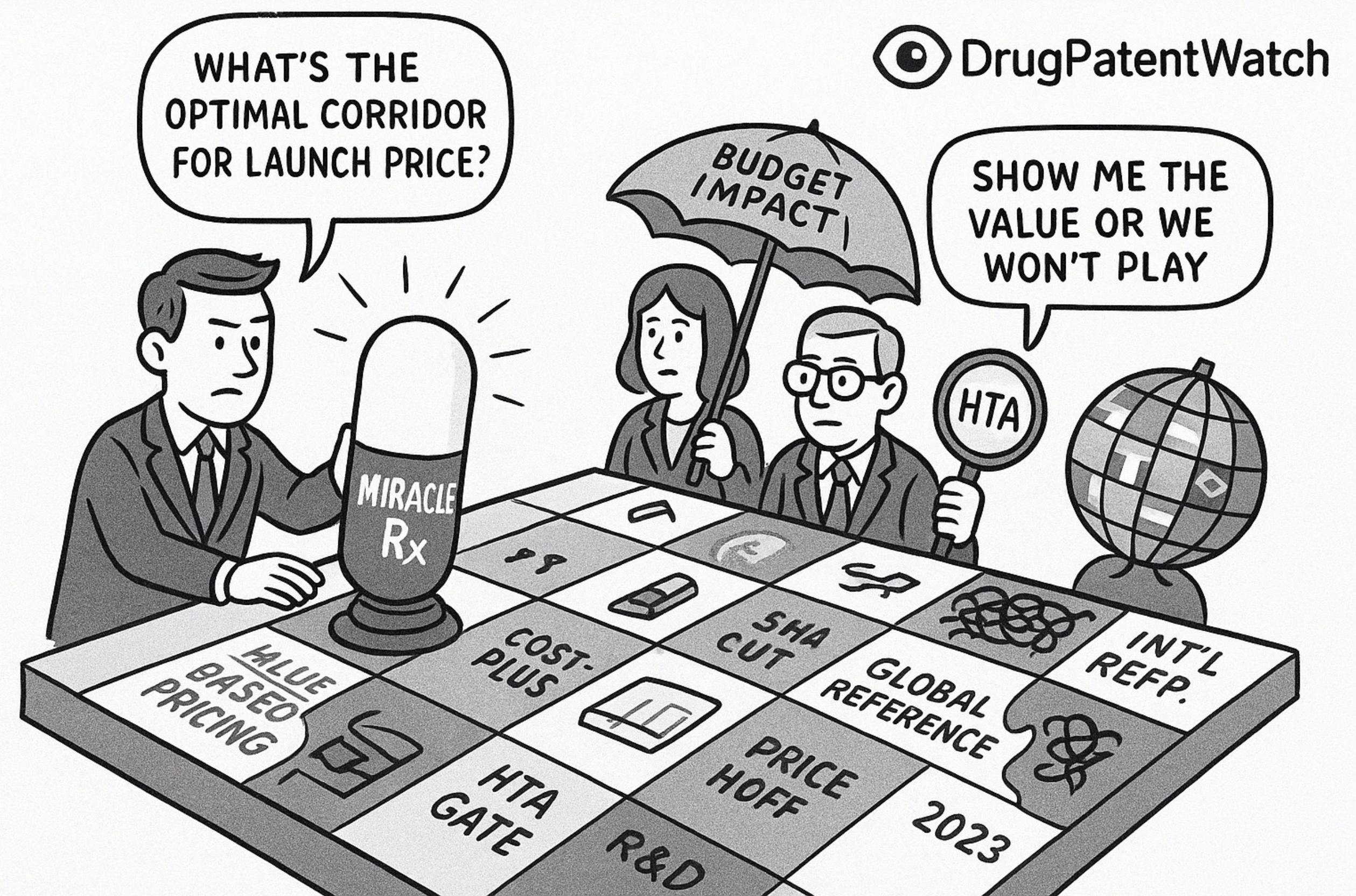 (Image caption) How are medical products priced in the capital market? When "hope for life" is packaged as a valuation tool, who defines hope, who amplifies hope, and who ultimately pays for these hopes? This is the core question that Season 2 of "How Life is Priced" aims to dissect.
If the first season of "Artificial Heart" was a stripping away of a single technological narrative, then the second season deals with a larger, deeper, and more systemic issue: Why in China, do many innovative medical products always learn to tell a story first and then supplement with real data? Why do industry myths form before the technology is mature? Why, once they enter the capital market, do medical products often cease to be just medical products and quickly become a narrative project, a valuation tool, or even a packaging industry of hope?
We don't intend to focus solely on companies, nor do we intend to remain at the level of "exposing wrongdoing." What GFM's "Financial Investigation" Season 2 aims to do is establish a clearer and more reusable methodology: to dismantle the gap between legal language and market language, to identify the chain of responsibility among the narratives of regulators, capital, media, hospitals, and patients, and to investigate who is defining hope, who is amplifying hope, who is peddling hope, and who is ultimately paying the price for these hopes behind every so-called "innovation."
Therefore, "How Life Is Priced" is not simply a medical series; it represents a positioning upgrade for the "Financial Investigation" program. Starting this season, we hope to move beyond exposing single events and develop a long-term investigative approach: delving into the intersection of systems, capital, regulation, and public interest to address structural issues that are often over-packaged yet genuinely impact the fates of countless families.
The first article, "After Artificial Hearts: Why Does Medical Innovation in China Always Start with Storytelling?", will serve as the opening of this season. It is both an afterword to the seven articles in "Artificial Hearts" and a methodological manifesto for the second season. Going forward, we will continue to explore: how patient narratives are manufactured, how approval language is distorted in the capital market, who ultimately bears the real cost of innovation, and where the next crisis of trust will begin as healthcare gradually becomes a narrative engineering project.
A true investigation is not about chasing hot topics, but about uncovering the structures that are obscured by those topics.
"Artificial Heart" is not the final chapter; it is only the beginning.
"How Life Is Priced," let's begin.