

GFM IPO System Breakdown | Picard Medical (NYSE: PMI)
When real technology enters a failing market, who will protect investors? — Why is the world's only FDA-approved fully artificial heart still a target for market manipulation?
Introduction: On the medical landscape of cardiac mechanical circulatory support, there are two distinct coordinates.
One is a "left ventricular assist device" (LVAD) – the heart is still there, but a mechanical system is needed to help the left ventricle maintain its pumping function. The other is a "total artificial heart" (TAH) – the patient's original heart's two ventricles are removed and completely replaced by an artificial device, which becomes the sole source of circulatory power in the chest cavity.
The difference between these two technologies is not merely a difference in medical classification, but a difference in clinical scenarios, life-or-death risks, and market structure. LVAD stands for "assisted"; TAH stands for "replacement." The former provides support for a failing heart, while the latter completely takes over a heart that can no longer sustain life. 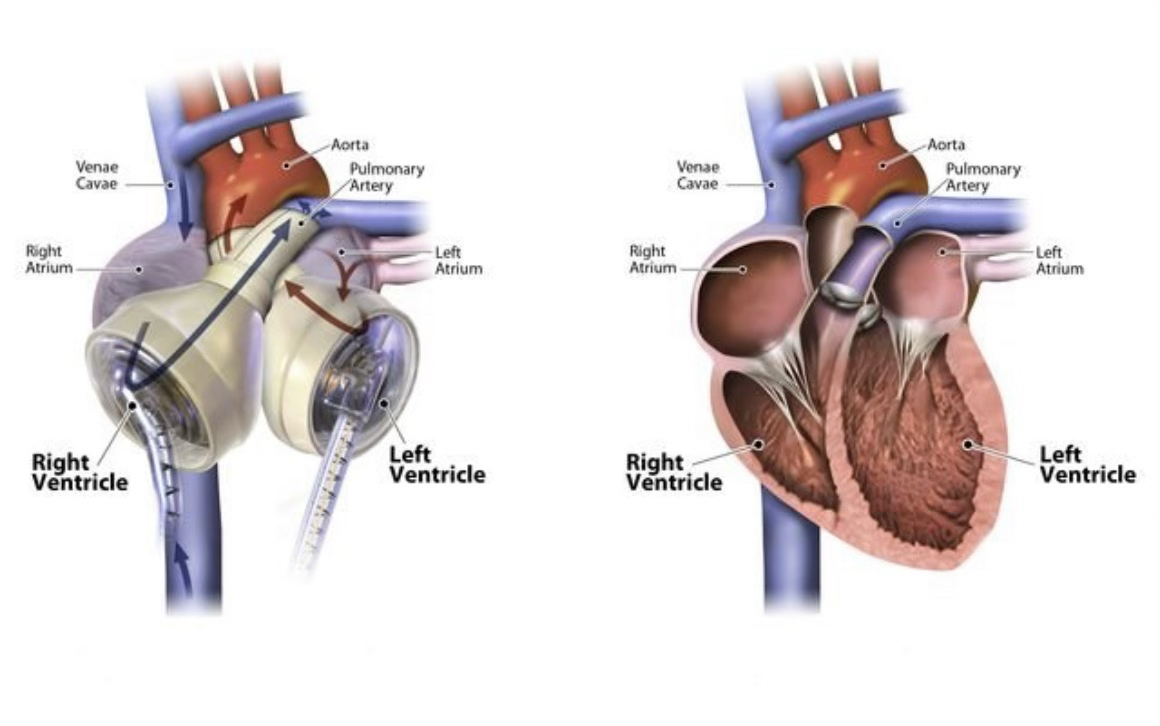 (Image caption) The SynCardia TAH consists of two artificial ventricles. During implantation, the patient's original two ventricles must be removed to completely take over circulatory function. This is a "replacement," not an "auxiliary"—this is the technological starting point of Picard Medical's entire capital market story, and also the fundamental reason for the storm it has encountered.
Picard Medical, Inc. (NYSE: PMI) deserves institutional attention precisely because it represents not just a concept, but a rare and real technology. Its core asset, the SynCardia Total Artificial Heart, inherits the technology lineage of Jarvik-7 and is currently the only commercially available total artificial heart system in the world to have received approval from both the US FDA and Health Canada. Founded in 2001 by Dr. Jack Copeland and others, it has accumulated over 2,100 implantations in 27 countries worldwide, boasting over thirty years of clinical use. It is not a "future healthcare narrative" hastily pieced together by the capital market for storytelling purposes, but a real device with thirty years of clinical experience, over 2,100 implantation records, and a presence in hospital systems across 27 countries.
But precisely because of this, the severe storm that Picard Medical encountered in the capital market deserves to be recorded more seriously.
In September 2025, the company completed its listing on the NYSE American. Shortly after the listing, PMI's stock price surged to a 52-week high, before plummeting in a very short period, ultimately triggering multiple class-action lawsuits and market manipulation allegations. This event exposed not only the volatility of a single company after its IPO, but also a more fundamental systemic problem:
When a medical technology company with real technology, real regulatory approvals, and real clinical history enters a market environment amplified by social media, driven by emotional trading, and with lagging monitoring and response, can the current system truly protect investors from being misled by a "maliciously amplified version of the real story"?
This isn't about whether Picard Medical is good or bad, nor is it just about a stock price crash. It's about how scarce technology can be exploited, amplified, and distorted in a flawed capital market environment.
[Core Issue]
This is not just a question about Picard Medical, but about whether real and scarce medical technologies can obtain institutional protection commensurate with their risk structure in a failing market environment. 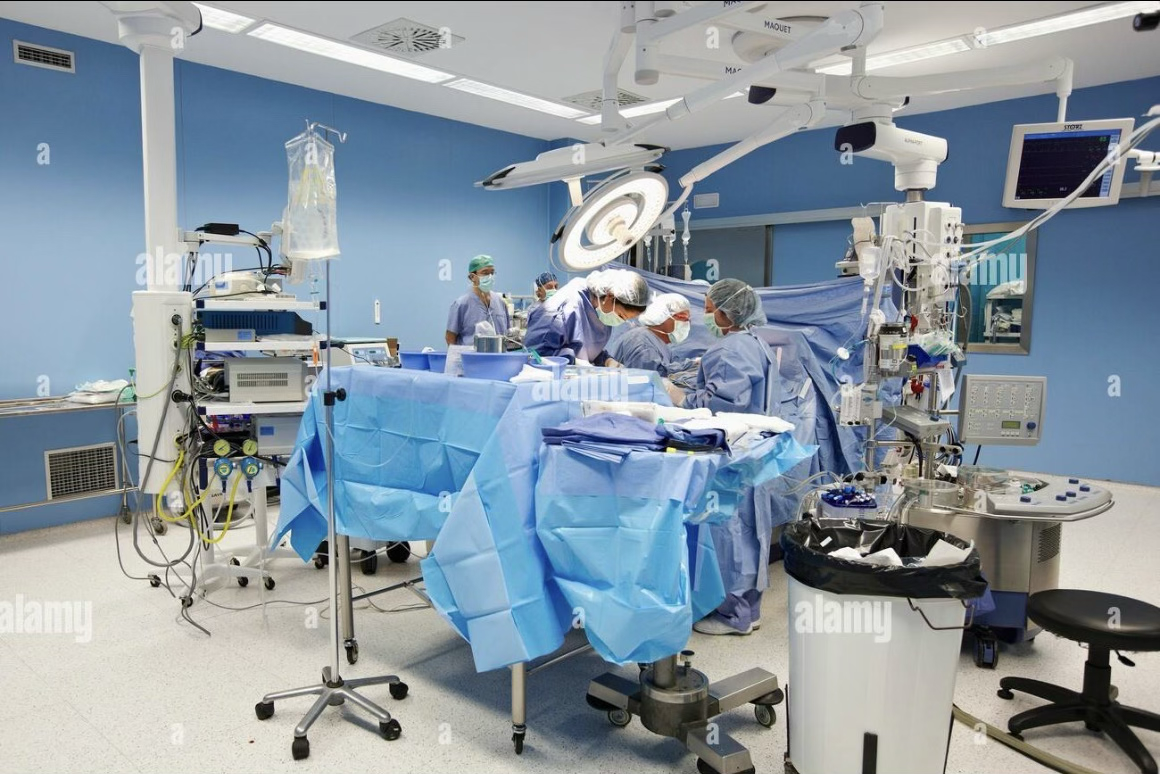 (Image caption) Doctors perform TAH implantation surgery, removing the patient's two ventricles and inserting an artificial ventricle. The article discusses the surgical complexity and high barrier to entry of TAH as a life-saving system for extreme biventricular failure.
I. Company Background: Thirty Years of Technological Accumulation, A Post-IPO Storm Technological Starting Point: The Legacy of Jarvik-7 To understand Picard Medical, one must first understand the technological lineage inherited by SynCardia.
The modern history of the total artificial heart is often traced back to the first artificial heart implantation performed by Denton Cooley in Houston in 1969: the patient was supported by a mechanical heart for 64 hours until the donor heart was delivered. In the decades that followed, the technology continued to evolve in different forms such as Jarvik-7 and CardioWest, eventually developing into the SynCardia Total Artificial Heart we know today in a laboratory in Tucson, Arizona.
SynCardia has been implanted in hospitals in 27 countries worldwide, with over 2,100 cases completed. It is currently the most widely used and best-studied TAH system in the world.
This number might not seem large in the general medical device industry; however, within the TAH (Transplant-Assisted Healing) field, it represents a technological high ground comprised of extreme scarcity, extremely high barriers to entry, and long-term clinical validation. The reason is simple: TAH has extremely strict indications, applicable only to heart transplant candidates facing irreversible biventricular failure and an immediate risk of death, serving as a supportive means for bridging transplantation, with a success rate exceeding 79%. It is not a high-growth product in the broad market, but rather a life-saving system designed for extreme clinical scenarios.
Listing path: SPAC unfinished, direct IPO completed.
In April 2023, Picard Medical announced a backdoor listing through a merger with Altitude Acquisition Corp., valuing the company at approximately $480 million prior to the transaction. However, the SPAC route ultimately failed to materialize, and the company subsequently opted for a direct IPO to enter the public market.
In September 2025, Picard Medical completed its IPO on the NYSE American, raising approximately $19.5 million. Subsequently, the company raised approximately $35.5 million through the IPO and subsequent financing, which was used to repay existing debt, maintain operations, and pay transaction costs, turning shareholder equity from a deficit of approximately $44 million to a positive one. On December 18, 2025, the company officially rang the opening bell on the New York Stock Exchange, announcing its entry into the public market.
On the surface, this is a medical technology company with genuine technology, a difficult path, but which has finally achieved capitalization. From an institutional perspective, this also means that it has officially entered another set of risk systems—no longer just clinical and R&D risks, but also market narrative risks, transaction manipulation risks, and disclosure adequacy risks.
Product line: One already approved, one on the next-generation roadmap.
Picard Medical's current core product is the SynCardia TAH (STAH). This is a fully implantable total artificial heart system capable of performing all the functions of a failing human heart. It is the only commercially approved total artificial heart in the United States and Canada. The system uses a pneumatically driven design, with external actuators controlling the operation of the artificial ventricles. It has a maximum cardiac output of 9.5 liters per minute and can provide effective blood flow support to both ventricles.
The next-generation product, Emperor TAH, represents its future roadmap. In November 2025, the company announced the successful completion of the first in vivo implantation experiment of the Emperor total artificial heart. The technological direction is to upgrade the existing system from external pneumatic drive to a fully implantable design. Emperor TAH shares the same blood contact structure as the existing STAH—including the pump chamber geometry, polyurethane diaphragm, and valve system—the only fundamental change is the replacement of the pneumatic drive mechanism with an electric motor-driven push plate, thereby achieving a fully implantable design while retaining proven biocompatibility and blood compatibility.
This is a technically sound approach: building a foundation with thirty years of clinical credibility, and then using next-generation products to open up new dimensions of quality of life and mobility. 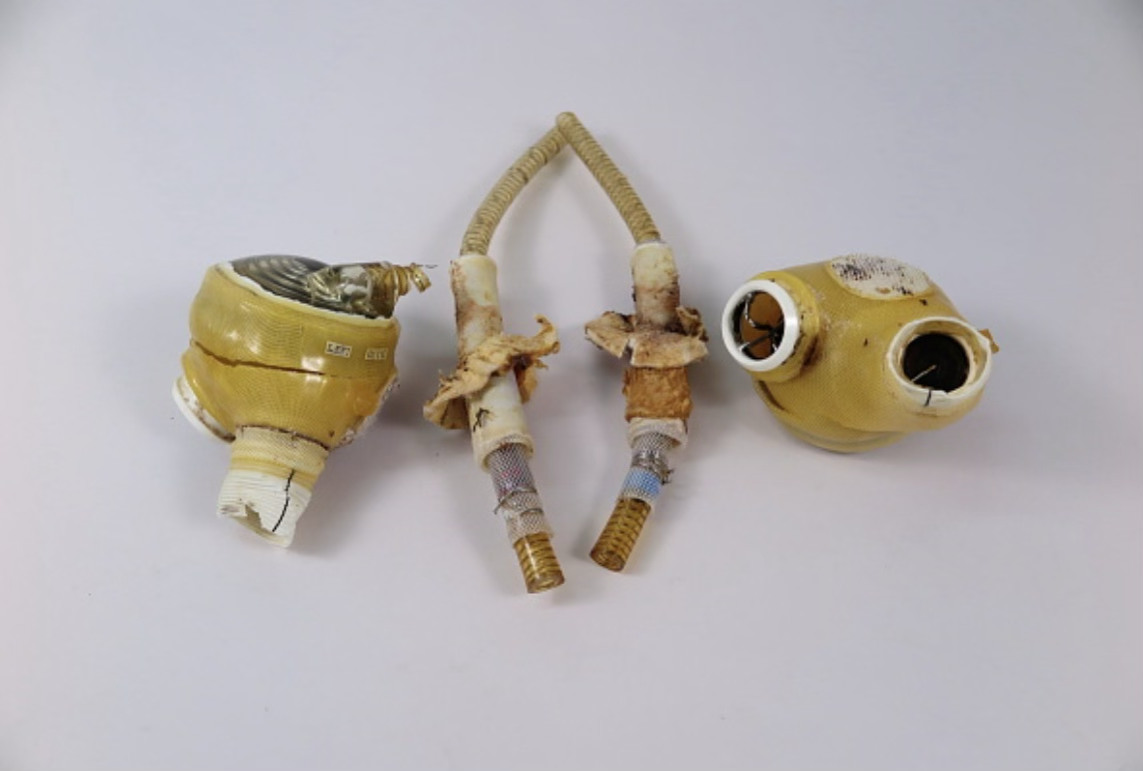 (Image caption) Jarvik-7, the starting point of the modern history of the total artificial heart, is on display at the National Museum of American History. SynCardia TAH directly inherits this lineage, and thirty years of technological accumulation constitutes Picard Medical's strongest narrative asset when it entered the capital market—and also its most authentic trump card when it was hijacked by external forces.
II. Financial Reality: Real Technology, Tough Numbers To understand Picard Medical's situation in the capital market, we must first face its financial reality—neither beautifying nor avoiding it.
The company's revenue for the full year of 2025 was approximately US$4.9 million, representing a year-on-year increase of approximately 12.5%; of which, sales in the US market increased by approximately 33.5% year-on-year, accounting for approximately 88.25% of total revenue. These figures demonstrate that the commercialization of SynCardia TAH is not an illusion, but a real business activity that has already occurred and is showing a certain degree of growth.
However, these figures also indicate that its size is extremely small.
With annual revenue of less than $5 million, PMI is still a very early-stage commercialization company by the standards of any established medical device company. It has products, a history, clinical trials, and approvals, but it has not yet achieved a revenue scale that can support stable expectations in the capital market.
The company projected a net loss of approximately $27 million in 2025; excluding non-cash items, its actual operating cash burn was approximately $11 million. This financial structure is not uncommon, and could even be considered quite typical for early-stage medical device companies; however, in the public market, it signifies three things:
First, the company is highly dependent on external financing. Second, the company's valuation is extremely sensitive to narrative premiums. Third, the company's stock price has a very low tolerance for emotional fluctuations.
In other words, the problem with the PMI is not whether the technology is real, but that the real technology is not yet sufficient to form a financial safety net. Once market sentiment and financing needs overlap, it becomes a vulnerable publicly traded asset.  (Image caption) The NYSE American trading floor. Picard Medical is scheduled to list on the NYSE American in September 2025. With annual revenue of less than $5 million and a net loss of approximately $27 million, the company's valuation is highly dependent on narrative premiums—and the narrative market does not inherently protect the technology itself.
III. Market Background: This is a real but very small market.
TAH and LVAD: Not the same track, nor the same story. In the field of mechanical cycle support, there is an order of magnitude difference in market size between TAH and LVAD, and this difference comes from the indications, not from the superiority or inferiority of the technology.
LVADs accounted for approximately 76.2% of the mechanical cardiac support market in 2023, largely due to their widespread clinical acceptance as the standard treatment for end-stage heart failure. In contrast, TAHs target the most extreme and narrowest patient population with biventricular failure. Its market is not a vast blue ocean that can be described by the "total number of heart failure patients," but rather a specialized market defined by extreme clinical needs, with a small base but high unit value.
From a capital market perspective, this is very important. It determines that the valuation of the PMI should not be based on the "entire heart failure market," but must be based on a more rigorous, smaller, and slower-moving real base.
There is a narrative trap here that deserves to be explicitly named:
If the risk of Shenzhen Core Medical is that it may amplify the market imagination of LVAD by using "artificial heart", then Picard Medical faces the opposite problem - its product is indeed a "real total artificial heart", but this real label is too easily amplified by external narratives into a disproportionate market myth.
Competitive Landscape: Scarcity, but Competition Does Exist. In the TAH (Total Artificial Heart) market, Picard Medical is not entirely without competitors. Carmat's Aeson total artificial heart has received the European CE marking and has completed over 100 implantations as of February 2025. However, in the North American market, SynCardia maintains its sole commercial position, which is the basis for its "globally only FDA-approved TAH" label.
The problem lies precisely in this: these labels—real, scarce, easy to understand, yet difficult for retail investors to quickly and professionally verify—constitute the most easily abused type of narrative material in the capital market.  (Image caption) Illustration of a pump and dump scheme. According to multiple class-action lawsuits, Picard Medical is suspected of being the target of organized social media manipulation after its IPO: individuals posing as financial professionals spread exaggerated information in forum groups, artificially creating a buying frenzy among retail investors, and then allegedly dumping shares at high prices through proxy accounts. These allegations are still pending judicial confirmation, but the structure is clear: the manipulators didn't need a fake company, only a story that was sufficiently plausible and difficult to quickly verify.
IV. The Core of the Storm: When Real Technology Encounters a Failed Market This is the most worthy part of the Picard Medical case to be institutionally documented.
The night the stock price crashed
On October 23, 2025, after the market closed, Picard Medical's stock price suddenly plummeted, falling rapidly from around $13.20 per share to approximately $3.99, a single-day drop of about 70%. Prior to this, the stock had reached a high of $13.68 within 52 weeks. As of April 2026, PMI's stock price had been fluctuating at a low level between $0.93 and $0.97 per share, a decline of more than 90% from its peak.
This is not a typical market correction. For a newly listed, relatively small medical technology company with still high financing needs, this level of plunge is not just a valuation loss, but a comprehensive blow to its subsequent financing capabilities, reputational stability, and investor structure.
Manipulation Structure: Real Target, False Inflated Value. Based on allegations in publicly available research reports and multiple class-action lawsuits, Picard Medical's stock price surge following its IPO is suspected of being the target of an organized social media promotion and price manipulation campaign. The allegations include: Picard being targeted by a fraudulent stock promotion scheme involving false information on social media and impersonation of financial professionals; coordinated share sales by company insiders and affiliates through offshore or proxy accounts during the artificial price surge; and the company's public statements and risk disclosures failing to mention the false rumors and manipulative trading activities driving the stock price. These allegations remain within the scope of litigation and investigation and are pending final confirmation through judicial proceedings.
However, from an institutional analysis perspective, the most important thing here is not whether any particular charge will ultimately be upheld, but rather that the overall structure has already clearly revealed:
Traders don't need a fake company; they just need a target that is real enough, scarce enough, dramatic enough, and difficult for retail investors to verify quickly.
The "world's only FDA-approved fully artificial heart" meets all of these conditions.
The company responded by stating it was unaware of any undisclosed material operational or financial changes, yet was unable to prevent the stock price collapse. This statement is logically sound: if the company itself was not involved in manipulation, it would naturally be unaware of any unusual promotional or trading activities in the market.
But the problem lies precisely in this:
The company's lack of knowledge does not protect investors. The company's absence also prevents the market from completing the entire chain from price manipulation to distribution.
This means that the question is not just "whether the company has a problem," but whether the existing system has a fast enough and proactive enough response mechanism to protect investors when a real technology stock is being abused by the market.
V. Class Action Lawsuits: Post-Incident Remedies Cannot Replace Pre-Incident Protection. Several law firms have filed class action lawsuits against Picard Medical, covering the period from September 2 to October 31, 2025, i.e., within two months of the IPO's completion. From an institutional perspective, this indicates that the capital market still retains some post-incident remedy capability: when pre-incident monitoring and risk disclosure fail to effectively prevent risks, legal recourse becomes the last resort.
But litigation is never an ideal way to protect oneself.
The premise for litigation is that the market has already been damaged, investors have already suffered losses, stock price signals have become distorted, and the company's reputation has been tarnished. For a real technology company that is already of limited size and has limited financing flexibility, such institutional fixes are too slow and too expensive.
There exists a systemic paradox here that deserves serious consideration and a proper name:
The authenticity of technology does not automatically translate into market defensibility. In the presence of highly narrative-driven stories, low liquidity, and weak monitoring responses, authentic technology may actually become the most easily manipulated narrative material.  (Image caption) In early 2026, several law firms filed class-action lawsuits against Picard Medical for alleged stock price manipulation, covering a two-month period following the IPO. Litigation is an ex-post remedy mechanism in the capital markets, but its initiation presupposes that losses have already occurred—for real technology companies with limited financing flexibility, such institutional patches are too slow and too expensive.
VI. Why is being "the only one in the world" particularly dangerous?
The institutional value of the Picard Medical case also lies in its ability to help us see the common vulnerabilities of a specific type of asset.
A company is particularly likely to become a target for manipulation when the following characteristics are present simultaneously:
Small market capitalization and low free float. A small amount of capital can significantly drive up the price, the cost of raising the price is extremely low, and the exit window is extremely narrow.
Highly recognizable unique labels. Statements such as "globally unique," "FDA unique," "first approved," and "exclusive for commercial use" are very likely to create emotional focus among retail investors and are difficult to refute quickly.
The technical barriers are high, making it difficult for individual investors to verify information on their own. The scope of indications for medical devices, regulatory approval standards, and the interpretation of clinical data—for the vast majority of non-professional investors, the verification costs are extremely high, and the information asymmetry is significant.
Despite persistent losses, the narrative potential is enormous. Financially immature, valuations rely heavily on future projections, and the market offers virtually no fundamental anchors to counteract the narrative premium.
The story itself is inherently dramatic. Phrases like "life-saving technology," "organ replacement," "fighting death," and "the only one in the world" are naturally easy to amplify and share in social media, with emotions spreading much faster than information verification.
Picard Medical met almost all of the above criteria. Therefore, its experience was not an isolated incident, but rather a case study of the structural vulnerabilities of companies entering the public market.
For system designers, this structure should be an identifiable and proactively responsive signal, rather than just a case recorded after the fact.  (Image caption) PMI stock price plummeted more than 70% from its 52-week high of $13.68 in after-hours trading on October 23, 2025, and has been fluctuating at low levels of $0.93 to $0.97 since April 2026, a drop of more than 90% from its peak. This candlestick pattern is not a record of a technical collapse, but rather a market imprint of a system failing to proactively protect "real but vulnerable" assets.
VII. Comparison with Shenzhen Core Healthcare: Two Distortions of Language Juxtaposing Picard Medical with Shenzhen Core Healthcare helps to see more clearly two directions of the same institutional problem.
The problem with Shenzhen Core Medical is that the company proactively rewrote its product language within its prospectus. The NMPA approved "implantable left ventricular assist system," but the prospectus replaced it with "artificial heart" 127 times, placing the medically rigorous definition of LVAD into the more marketable narrative framework of "artificial heart"—even though the company's product has never technically belonged to the latter.
Picard Medical's problem isn't that the company intentionally obscured the technical definition. On the contrary, its products are precisely TAHs in the strictest sense from a regulatory standpoint; the company's claim of being the "world's only FDA-approved total artificial heart" is genuine. The problem lies in the fact that this genuine claim was amplified, manipulated, and hijacked by external forces after the IPO, transforming into a market myth sufficient to trigger a frenzy of buying among retail investors.
The two cases are in opposite directions, but they address the same systemic issues:
When medical technology companies enter the capital market, once the product definition loses institutional protection—whether it is actively rewritten within the document or maliciously amplified outside the document—investors may ultimately base their decisions not on the technology itself, but on a distorted narrative map.
8. What exactly are these companies selling in their IPOs?
What Picard Medical sells to the market is primarily a technical entry ticket.
It includes: the unique moat of FDA approval, more than 2,100 real clinical records, a hospital network operating in 27 countries, the technology roadmap for the next-generation Emperor system, and the long-term demand logic supported by the long-term shortage of donor hearts.
These are all true.
But what's traded in the open market is never just the authenticity itself. The market also trades: the speed at which a story spreads, the amplification of scarcity labels, the time lag between emotion and cognition, and retail investors' inability to verify professional expertise.
Therefore, when a real company goes public, it enters not only the financing market but also the narrative market. And the narrative market doesn't inherently respect technological boundaries—it respects communicability, the degree of dramatization, and whether the price can be driven up quickly enough.
This is precisely what makes the Picard Medical case most worthy of institutional documentation: the company is selling a ticket to the technology market, but the market may be simultaneously trading an amplified version of the story. 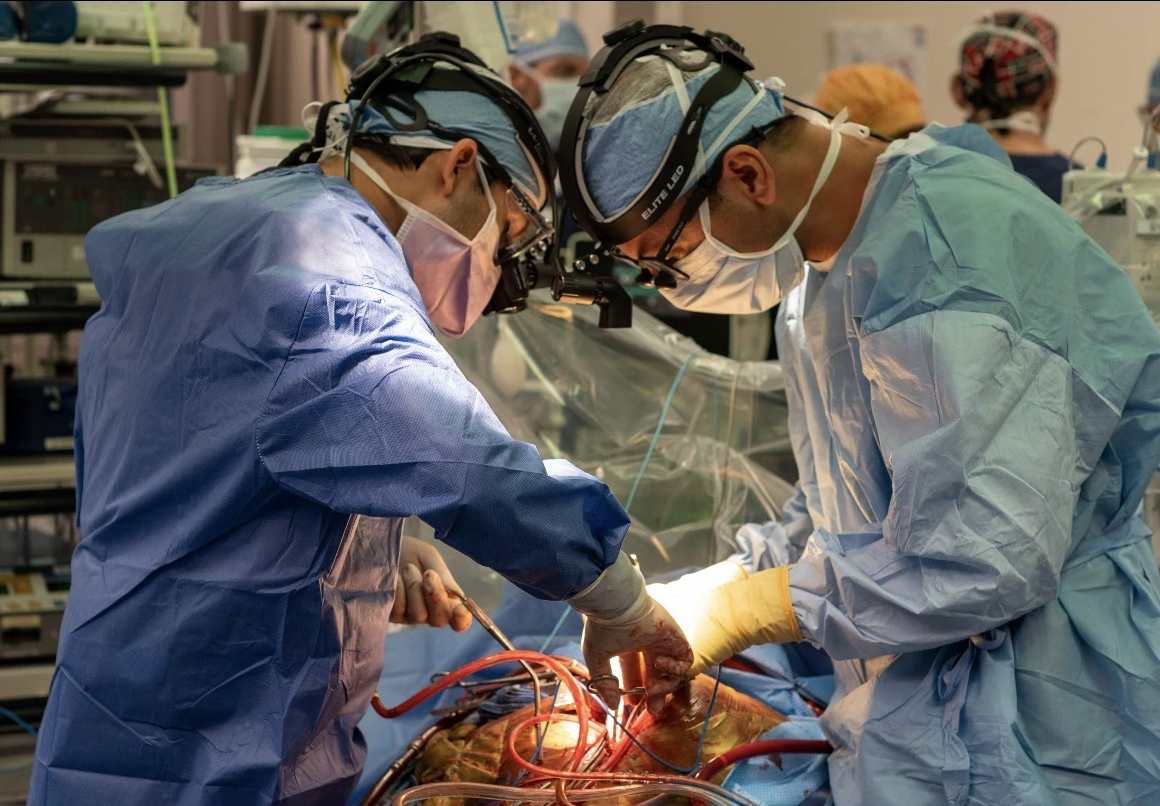 (Image caption) For patients with end-stage biventricular failure, SynCardia TAH is not a matter of valuation in the capital market, but rather the only means of sustaining life while awaiting a transplant. Behind all the discussions about stock prices, lawsuits, and institutional design, there remains a reality that should not be obscured by market noise: this technology concerns real people and real life and death. Real technology deserves real institutional protection.
IX. GFM Institutional Observations: Who Will Protect Investors?
The systemic problems revealed by Picard Medical can be broken down into three levels.
First layer: The pre-disclosure standards are still insufficient. For medical technology companies with highly identifiable "unique" labels, small market capitalization, low circulating shares and continuous financing needs, the risk disclosure in the current listing documents may not be sufficient to cover the true probability of them being manipulated in social media and abnormal promotional environments.
The more pressing question is not whether the company necessarily foresaw the specific manipulation activities, but rather: for such companies, should the listing documents adopt a higher level of risk disclosure standards, clearly stating the type of risk that "highly narrative-driven targets may become targets of abnormal promotion and price manipulation"?
The second layer: The immediate response of exchanges and regulators remains lagging. Looking at the process from the rapid rise to the collapse of stock prices, abnormal trading and abnormal dissemination in the market were clearly linked, but proactive monitoring failed to effectively prevent the accumulation of risks. If the system can only intervene in litigation and accountability procedures after the fact, and cannot intervene when abnormal stock prices and narratives occur simultaneously, then so-called protection is actually just post-event repair.
The third layer: An independent verification mechanism should be established for the definition of core products. The review process for medical technology IPOs should not solely rely on how the company's prospectus presents itself, nor should it allow external market narratives to define the product's market position entirely. An independent verification mechanism should be established for the relationship between the official name of the core product, its indications, regulatory approvals, and market narratives. This mechanism not only prevents language rewriting like that of Shenzhen Core Medical, but also combats narrative hijacking like that of Picard Medical—because a clearly defined and fixed product definition is the common foundation for resisting both types of distortion.  (Image caption) Social media manipulation and information disclosure rewriting are intertwined, and real medical technology is distorted and amplified in the capital narrative.
10. Four Specific Directions for System Improvement If Picard Medical should not be viewed merely as a "stock price storm story," then the directions for systemic improvement should include at least the following four points:
I. Establish a strengthened disclosure mechanism for "uniqueness labels". Any listing documents, roadshow materials or company communications that use highly identifiable terms such as "globally unique", "FDA unique", "first", or "exclusive" should be accompanied by a clear definition, comparison criteria, geographical limitations and time boundaries, so that investors can judge the true boundaries of this scarcity.
2. Establish a monitoring mechanism for abnormal dissemination 30/60/90 days after listing. For medical technology companies with high volatility, small market capitalization, and high technical barriers, exchanges may consider establishing a monitoring mechanism for abnormal community dissemination and price linkage in the early stage after listing, forming an intervention window before the "pump and dump" chain is completed.
Third, establish a linkage warning model for "abnormal prices + abnormal narratives". When short-term price fluctuations and abnormal social media activity occur simultaneously, earlier suspension of trading, inquiries or special investigations should be allowed, rather than relying solely on post-event litigation and civil compensation as the only remedy.
Fourth, implement proactive product definition verification for medical technology companies. A traceable comparison should be established between regulatory approvals, clinical indications, and the market narrative in the prospectus to prevent the product's identity from being obscured, amplified, or hijacked after entering the capital market. This proactive verification can prevent "internal language rewriting" like that seen with Shenzhen Core Medical, and also provide a benchmark for identifying "external narrative hijacking" like that seen with Picard Medical.
11. Real technology does not equal a safe investment.
The story of Picard Medical is worth recording not because it was a scam, but precisely because it wasn't.
This is a company that does real things. SynCardia TAH has real regulatory approvals, a real clinical history, and a real track record of patient benefit. Patients have already received over eight years of continuous cardiac support with SynCardia TAH, one of the longest continuous TAH support records to date, demonstrating the viability of this technology in extreme clinical scenarios. For some patients with end-stage biventricular failure, it's not a capitalist narrative, but life extension itself.
But precisely because of this, this case serves as a powerful reminder to investors:
Real technology does not equate to a safe investment. Real regulatory approval does not equate to a safe market environment. Real clinical value does not equate to a real price formation mechanism.
In the healthcare technology IPO ecosystem, the authenticity of the technology is a necessary, but not sufficient, condition. Companies also need a matching environment for information disclosure, risk communication, and market monitoring; investors also need a system to help them distinguish between the technology itself and the exaggerated version of the story.
Shenzhen Core Medical reminds us that language may be rewritten within a document.
Picard Medical reminds us that narratives can also be hijacked outside of documents.
Both of these points illustrate that investors need to ask more than just the following questions when reading any healthcare technology IPO filing:
Is this technology real?
One more question must be asked:
Do this document and this market both point to a reality consistent with the regulatory approval line?
If this issue needs to be repeatedly confirmed, then caution itself is already a form of institutional wisdom.  (Image caption) The real, approved artificial heart is placed in broken glass, symbolizing that the technology is intact, but it cannot withstand the collapse of the capital market and the shattering of trust.
Three key conclusions in one sentence: 1. The Picard Medical case proves that even rare medical technologies with genuine FDA approval and thirty years of clinical experience are not immune to malicious manipulation by the capital market; the uniqueness of the technology sometimes makes it the most ideal narrative target for manipulators.
Second, what this case truly exposes is not just the risk of stock price manipulation, but the inadequacy of pre-emptive institutional protection: low risk disclosure standards for high-profile medical technology companies, insufficient monitoring of the linkage between abnormal transactions and abnormal dissemination, and a lack of independent verification of the definition of core products.
Third, by juxtaposing Picard Medical (external narrative hijacking) and Shenzhen Core Medical (internal language rewriting), we can see the same systemic problem: in the information ecosystem of medical technology IPOs, once product definition loses institutional protection, investors' decisions may not be based on the technology itself, but on a distorted market map.
This article is a GFM institutional observation and does not constitute any investment advice or legal characterization of any entity. All sources cited are publicly disclosed SEC filings, NYSE announcements, company statements, publicly available financial data platforms, and related public litigation documents, and are for institutional research reference only. The final determination of any related litigation and allegations is subject to court rulings and official conclusions of regulatory agencies.
GFM's IPO Column | Institutional Research × Information Disclosure Decoding × Healthcare Technology Valuation Analysis
Global Finance Media Group — gfm.news