

Trump's Policies and Their Impact on the Cryptocurrency Market
Since Donald Trump’s election as President of the United States in 2024, his policies have had a profound impact on the cryptocurrency market. At the beginning of his term, Trump promised to make America the "crypto capital of the planet" and pushed toward this goal through a series of executive orders, legislation, and regulatory adjustments. As of January 5, 2026, the crypto market has experienced violent fluctuations: Bitcoin (BTC) nearly doubled in 2025, reaching an all-time high of approximately $126,000, but subsequently suffered a collapse, with market capitalization evaporating by over $1.2 trillion. This change not only reflects the amplification effect of policy dividends but also exposes potential risks, such as economic uncertainty caused by trade tariffs and fraud risks brought about by regulatory easing. The following is an analysis of policy details, market reactions, positive and negative impacts, and future outlooks, based on reliable data and industry discussions.
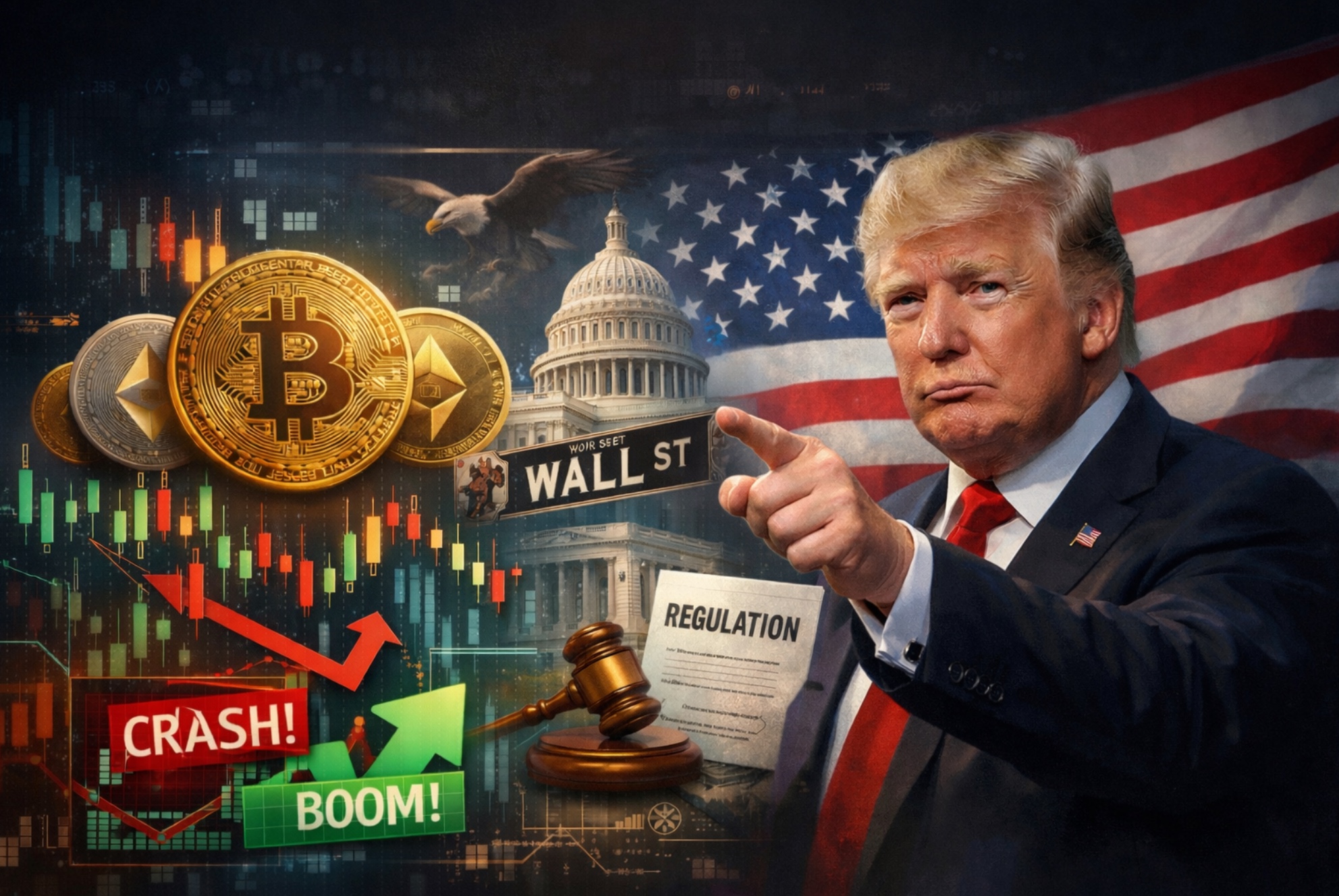
The Massive Impact of Trump's Policies on the Crypto Market: An Overview of Trump's Key Crypto Policies
The Trump administration acted swiftly in 2025, launching several initiatives favorable to the crypto industry:
- GENIUS Act (Stablecoin Act): This was the first major crypto legislation signed by Trump, passed in July 2025. It established a regulatory framework for stablecoins (such as USDT and USDC), allowed banks to participate in stablecoin businesses, and promoted their integration with the traditional financial system. This act is regarded as an industry milestone aimed at enhancing the legitimacy and global transfer efficiency of stablecoins. A White House spokesperson stated that this helps "drive innovation and economic opportunity."
- Strategic Bitcoin Reserve: In March 2025, Trump signed an executive order to establish a national digital asset reserve, using approximately 200,000 Bitcoins (worth about $18 billion) seized by the government from crimes as a foundation. This move aims to treat Bitcoin as a "store of value," similar to gold reserves, and evaluates a federal regulatory framework.
- Regulatory Easing: Appointing crypto-friendly officials, such as White House Crypto Advisor David Sacks, ending the Biden-era "Operation Chokepoint 2.0" (banking restrictions targeting crypto). The Securities and Exchange Commission (SEC) reduced investigations into crypto companies, allowed banks to hold crypto assets, and accelerated the approval of crypto ETFs (e.g., XRP, Solana, and Litecoin ETFs likely approved in March-April 2025).
- Other Promises: Trump pardoned Silk Road founder Ross Ulbricht, ended the SEC’s strict enforcement of crypto, and pushed for tax reforms that could potentially exempt taxes on Bitcoin expenditures.
These policies stem from the Trump family's crypto ventures (such as the $TRUMP token and World Liberty Financial) but have also raised questions about conflicts of interest. The Trump Organization profited $802 million from crypto businesses in the first half of 2025.
Positive Impacts: Market Prosperity and Institutionalization
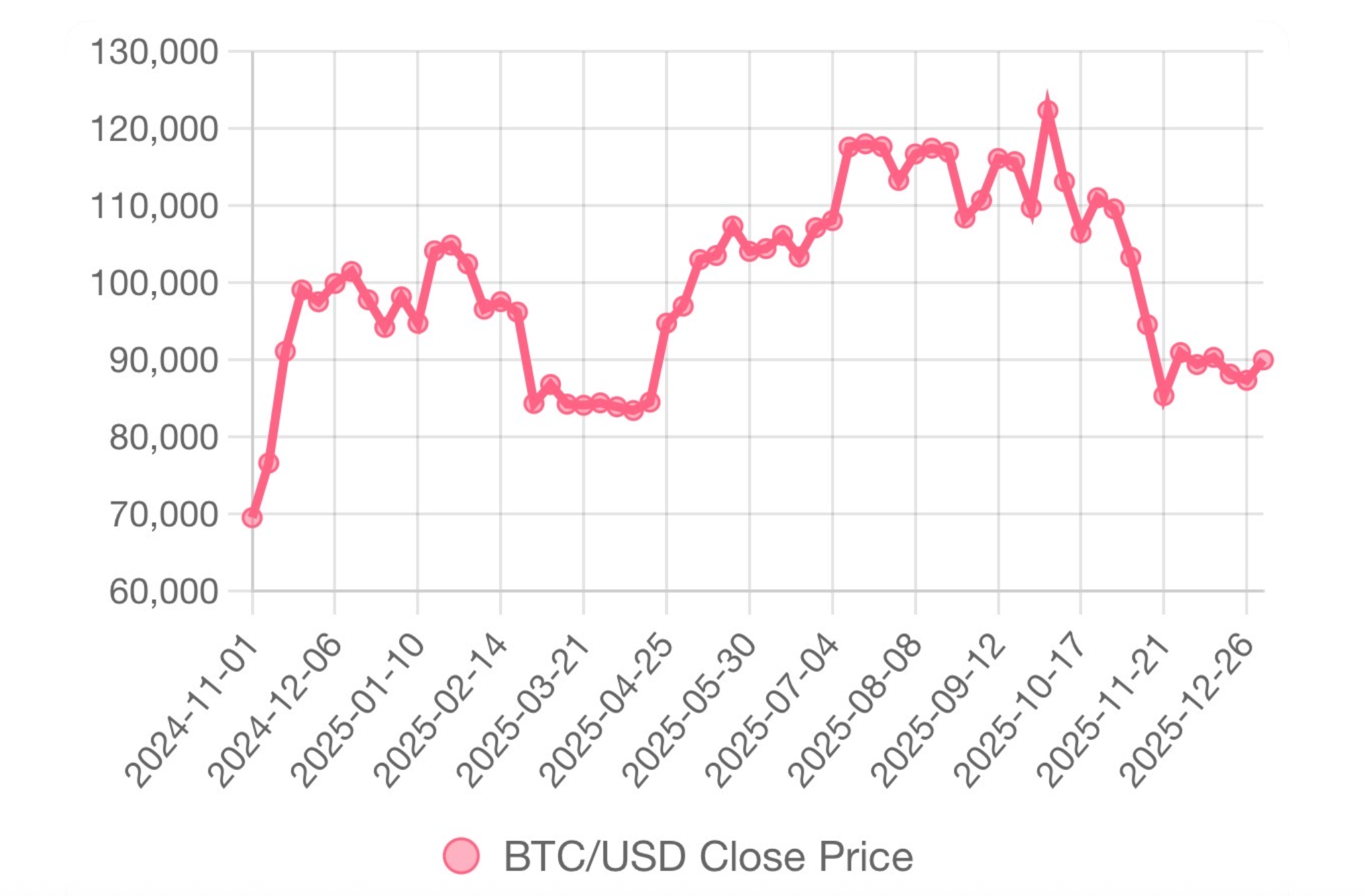
Trump's policies initially stimulated explosive growth in the crypto market. Bitcoin rose from approximately $69,000 in November 2024 to $126,000 in October 2025, an increase of nearly 80%. The total crypto market cap rose by $1.2 trillion within 12 months of Trump's election, benefiting from:
- Institutional Inflows: Relaxed regulation attracted institutional investors such as insurance companies and pension funds. Inflows into Bitcoin ETFs increased, and the Stablecoin Act promoted the adoption of DeFi (Decentralized Finance) and cross-border payments.
- Innovation Drive: Executive orders encouraged a surge of crypto startups into the U.S., consolidating its status as a global hub. In discussions on the X platform, users pointed out that Trump brought "trust and confidence," reducing the scam panics of the past.
- Economic Stimulus: Policies combined with interest rate cuts reinforced Bitcoin's role as an "inflation hedge." In the first half of 2025, the crypto market rose in tandem with the stock market, benefiting from the "America First" agenda.
Cross-verification shows these changes align with industry expectations: CoinGecko data showed market cap growth, while White House announcements emphasized that the "budget-neutral" reserve would not increase the burden on taxpayers.
Negative Impacts: Increased Volatility and Systemic Risk
Despite the initial prosperity, the market collapse in the second half of 2025 exposed the shadow side of the policies. Bitcoin fell 6% after October, and crypto market cap evaporated, partly attributed to Trump's trade tariffs and policy uncertainty:
- Tariff Shocks: Import tariffs (up to 100%) on countries like China and Mexico triggered global trade uncertainty, leading to rising inflation expectations and retail capital outflows. X users noted that tariffs "sucked $30 billion from potential buyers," leaving the market "dry." Bitcoin fell alongside the stock market, suffering as a risk asset.
- Regulatory Loopholes: While easing promoted growth, it led to a surge in fraud: enforcement cases decreased by 72% in 2025, while scams rose by 45%. Critics claimed this was "plundering Main Street for insiders," and the Trump family's $TRUMP and $MELANIA tokens were accused of "rug pulls," further damaging trust.
- Conflicts of Interest and Collapse Risks: Trump’s crypto businesses might prompt the government to intervene during crises, such as using reserve funds for bailouts. This could distort the market and increase systemic risk, especially since a stablecoin collapse could affect the U.S. Treasury market. Research shows that Trump's term weakened the spillover effects between crypto and commodity/capital markets but also amplified US Dollar volatility.
- Market Disappointment: X discussions showed that some users were frustrated with unfulfilled promises (such as weekly Bitcoin purchases). The reserve relied solely on seized assets, seen as "no skin in the game," leading to selling pressure. The "liquidity flush" in November 2025 was labeled a government stress test, causing altcoins to drop by 50-80%.
These negative impacts became evident during the short-term bear market in April 2025, where systematic funds lost 11%.
Market Data and Chart Insights
Bitcoin price data demonstrates the double-edged sword effect of the policy: from a sharp rise after Trump's election to a correction after the 2025 peak. The following chart, based on Polygon API daily closing prices sampled every 7 days (approximately 62 data points to maintain brevity), illustrates the trend from November 2024 to January 2026.
Future Outlook: Opportunities and Challenges Coexist
Entering 2026, Trump's policies may continue to dominate crypto's fate. Morgan Stanley predicts "American Exceptionalism" will continue, but the midterm elections (2026) may bring adjustments. Potential Positives: more ETF approvals, fee switches enabled (for DeFi coins), and banks holding stablecoins. Negative Risks: if stablecoins collapse, the government may provide bailouts, increasing the deficit; tariffs or Fed policy tightening could amplify volatility. Overall, Trump's policies accelerated the institutionalization of crypto but also introduced instability. Investors should focus on macroeconomic factors such as inflation and trade wars. The X community is divided: some see it as a "Golden Age," while others warn that "political interference destroys the cycle." Diversified allocation is recommended to avoid over-leverage. This analysis is based on public data and does not constitute investment advice.
Would you like me to analyze how specific 2026 midterm election scenarios might further impact these crypto price trends?
Comments
Please login to post a comment
No comments yet, be the first to comment!