

Electricity Safety: From 'Energy Issue' to 'Core of National Security'
GFM Exclusive Interview | Mr. Maiyue Cheng, U.S. Power System Expert

Mr. Cheng began his career at the World Bank headquarters in 1991. He has subsequently held positions at leading global energy and technology companies, including Southern Company, CLP, AES, Qwest, and Cisco. He has also been involved in strategic research and practice for energy transition at Kearney and RMI, focusing long-term on power systems, demand-side management, and implementable solutions for new energy systems.
Preface: When Electricity is No Longer a Technical Issue
Driven by the waves of Artificial Intelligence, data centers, and electrification, global electricity demand is undergoing a structural explosion. However, power shortages are no longer merely a matter of insufficient supply or technical bottlenecks; they have escalated into a core strategic issue affecting national competitiveness, geopolitics, and financial markets. Through an in-depth dialogue with senior power expert Cheng Maiyue, this report analyzes the deep-seated contradictions within the U.S. power system and explores how power security is evolving from a traditional "energy issue" into a "core pillar of national security."
Chapter 1: The "Real Problem" of the U.S. Power Dilemma — A Systemic Crisis of Disrepair
The Misalignment of Appearance and Root Cause The phenomenon of tight power supply in the United States is often attributed to the "too rapid withdrawal of reliable power sources (such as coal)" or "insufficient growth of renewable energy." However, Cheng Maiyue points out that these are merely symptoms. The true core contradiction lies in the long-term underinvestment and chronic disrepair of power grid infrastructure, resulting in system capacity and flexibility lagging seriously behind the needs of economic development and energy transition.
He uses a "highway" analogy for the power grid: if a road is designed for a capacity of 300 cars and consistently operates under a high load of 280-300 cars, it will inevitably become congested once the traffic flow increases to 350. At this point, the problem is not that there are "too many cars," but that the "road capacity has not been expanded for decades." The U.S. grid faces the same predicament—transmission and distribution systems designed in the last century can no longer carry the new loads from AI data centers and electric vehicle charging.
The "Private Lane" Mentality: Local Solutions and Systemic Failure Faced with grid bottlenecks, "Grid Bypass" solutions are currently emerging in the U.S.: companies build their own PV + storage microgrids next to data centers for direct power supply, bypassing the transmission limitations of the public grid. Cheng Maiyue describes this as "building private lanes for specific destinations"—while it can alleviate local demand, it cannot solve the paralysis of the overall transportation system.
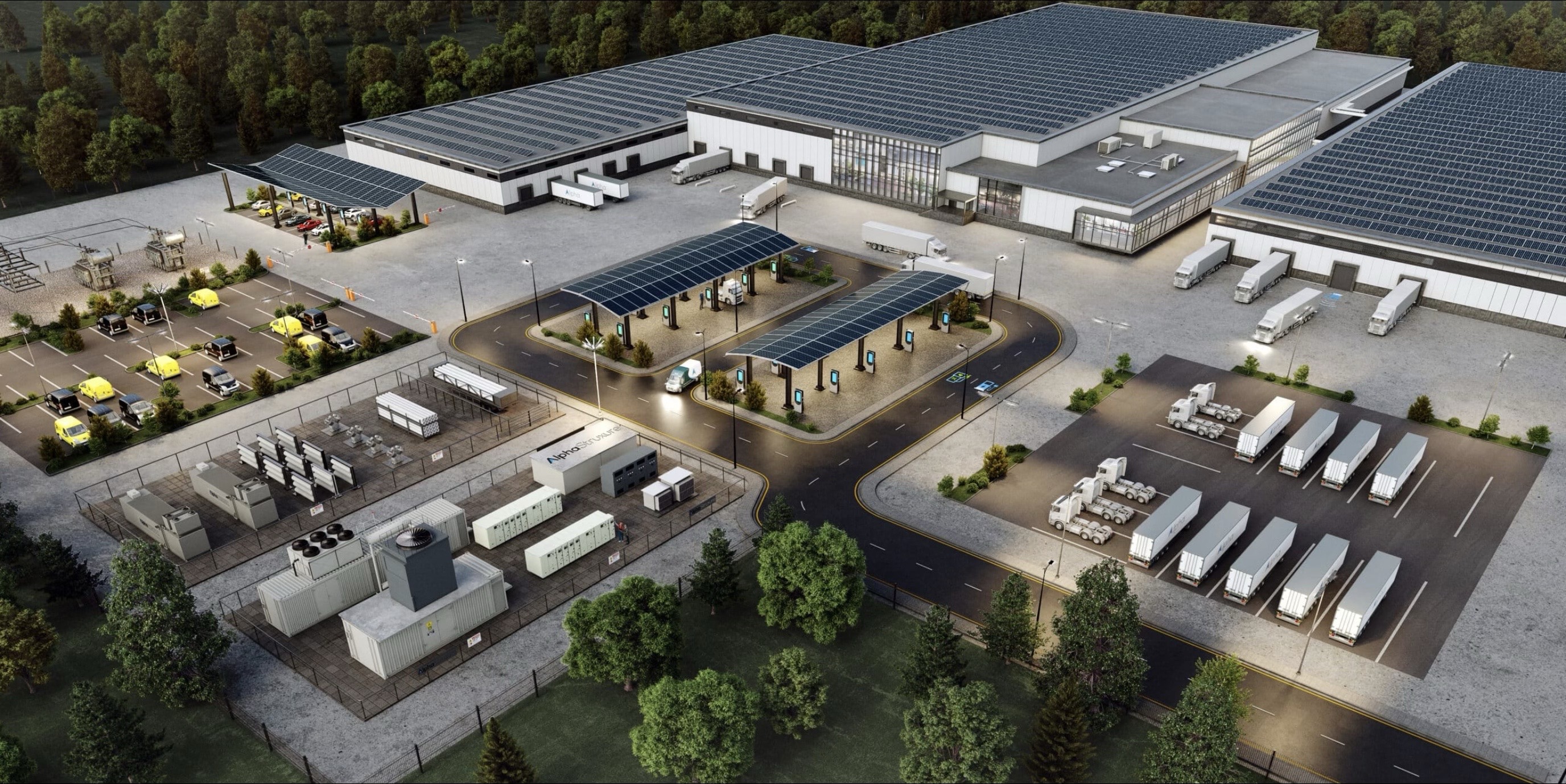
This reflects a deeper systemic crisis: U.S. infrastructure (not just the grid, but also roads, railways, and bridges) is generally trapped in a vicious cycle of "construction lag → local patching → overall aging." The root causes lie in domestic industrial hollowing out, a lack of long-termism, and the excessive diversion of political resources toward overseas military actions and social welfare, leading to a severe lack of investment in domestic hardware updates.
Expert Perspective: Cheng Maiyue emphasizes, "The grid problem does not exist in isolation; it is a microcosm of the overall decay of U.S. infrastructure. The root of the power shortage is not that there aren't enough generating units, but that the electricity produced 'cannot be sent out,' or the system cannot safely accommodate new power sources."
Chapter 2: How Electricity Becomes the Next "Strategic Anchor" — From Petrodollars to "Power Power"
Energy Transition and the Restructuring of Monetary Power Cheng Maiyue proposes a perspective with geofinancial insight: global value anchors are undergoing a historic shift. Before the 1970s, the U.S. dollar was pegged to gold (the Gold Standard); after the oil crisis, although the dollar decoupled from gold, it formed the "Petrodollar" system by binding itself to oil trade settlements. Today, as the energy transition accelerates, the strategic status of oil will gradually decline, while the importance of electricity will leap to become the next generation's value anchor.
"In the future, national competitiveness will be embodied in the 'ability to provide affordable, stable, and low-carbon electricity,'" Cheng analyzes. "This is not just an industrial issue; it will also affect currency credit, capital flows, and international discourse power." As green electricity becomes mainstream, countries that master advanced power technologies and possess strong grid resilience and dispatch capabilities will occupy the commanding heights in the new energy order.
Power Security in the AI Era: From "Background Support" to "Frontline Readiness" In the era of AI and comprehensive digitalization, power security can no longer be viewed as a mere "energy issue." Cheng Maiyue points out that the power system must be elevated to a national security priority on par with defense, communications, and finance.
"Just as critical weapons are prioritized for production during wartime, in today's white-hot AI race, securing the power supply for data centers and computing facilities must be given 'special-case' strategic priority," he emphasizes. If the U.S. cannot quickly repair its grid, it will not only hinder its AI innovation but may also find itself at a disadvantage in future technological and economic wars.
Chapter 3: Infrastructure Efficiency Gap from a China-U.S. Comparative Perspective
The Chasm in Approval and Execution Efficiency Cheng Maiyue uses the "California High-Speed Rail" as an example to reveal the systemic inefficiency of U.S. infrastructure projects: planned for decades and costing nearly ten billion dollars, it is almost a "rotten-tail" project with only a small demonstration line completed. The crux lies in complex land right-of-way acquisition, lengthy multi-level government approvals, severe cost overruns, and weak engineering management capabilities.
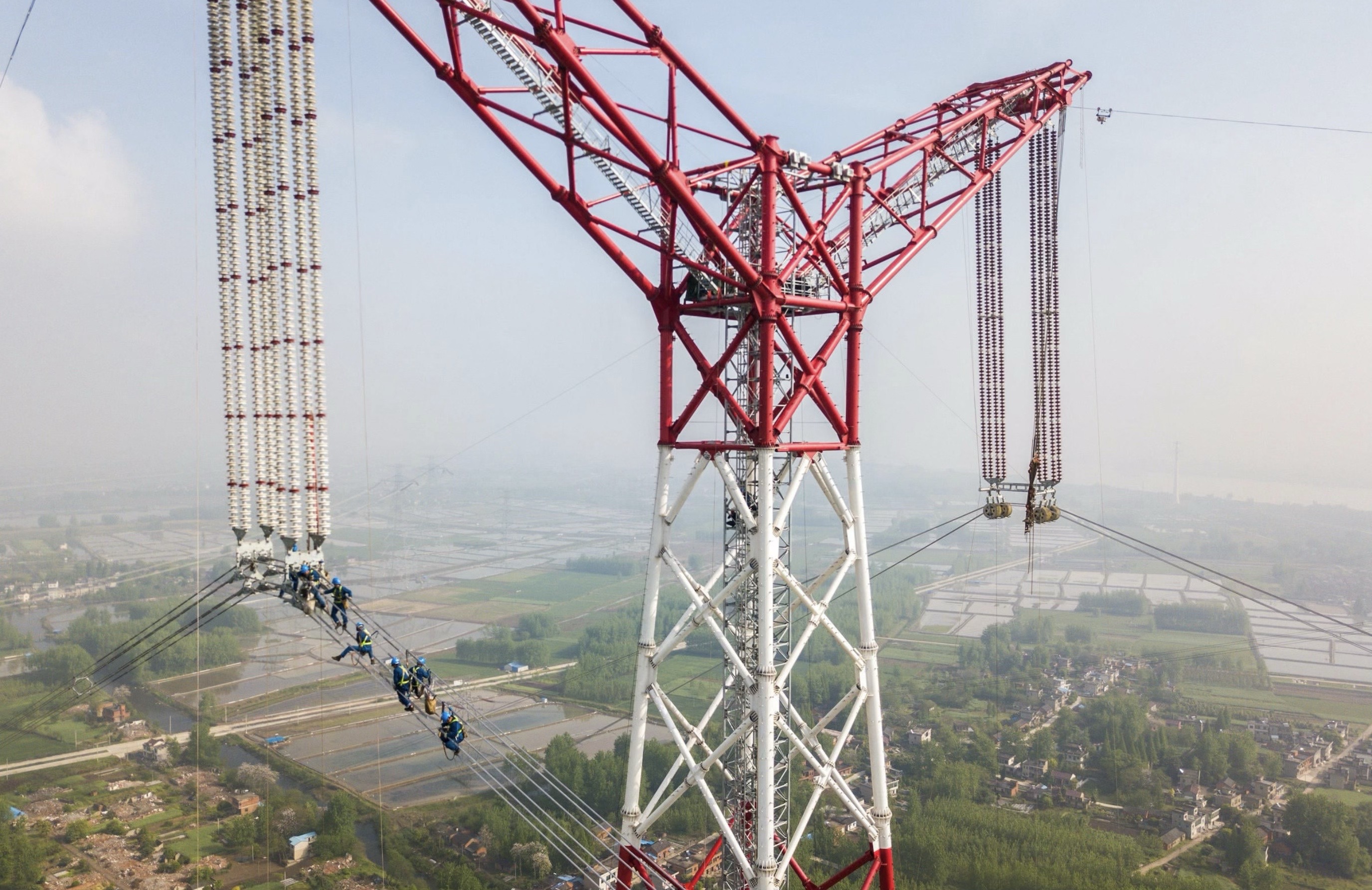
In contrast, China has demonstrated significant planning and execution efficiency in large-scale infrastructure projects such as Ultra-High Voltage (UHV) transmission and high-speed rail networks. Behind this is not only a difference in systems but also an embodiment of long-term strategic determination and resource mobilization capabilities. Cheng believes this efficiency gap is particularly critical in the power sector—grid construction requires advance planning and rapid implementation to provide a solid foundation for economic development.
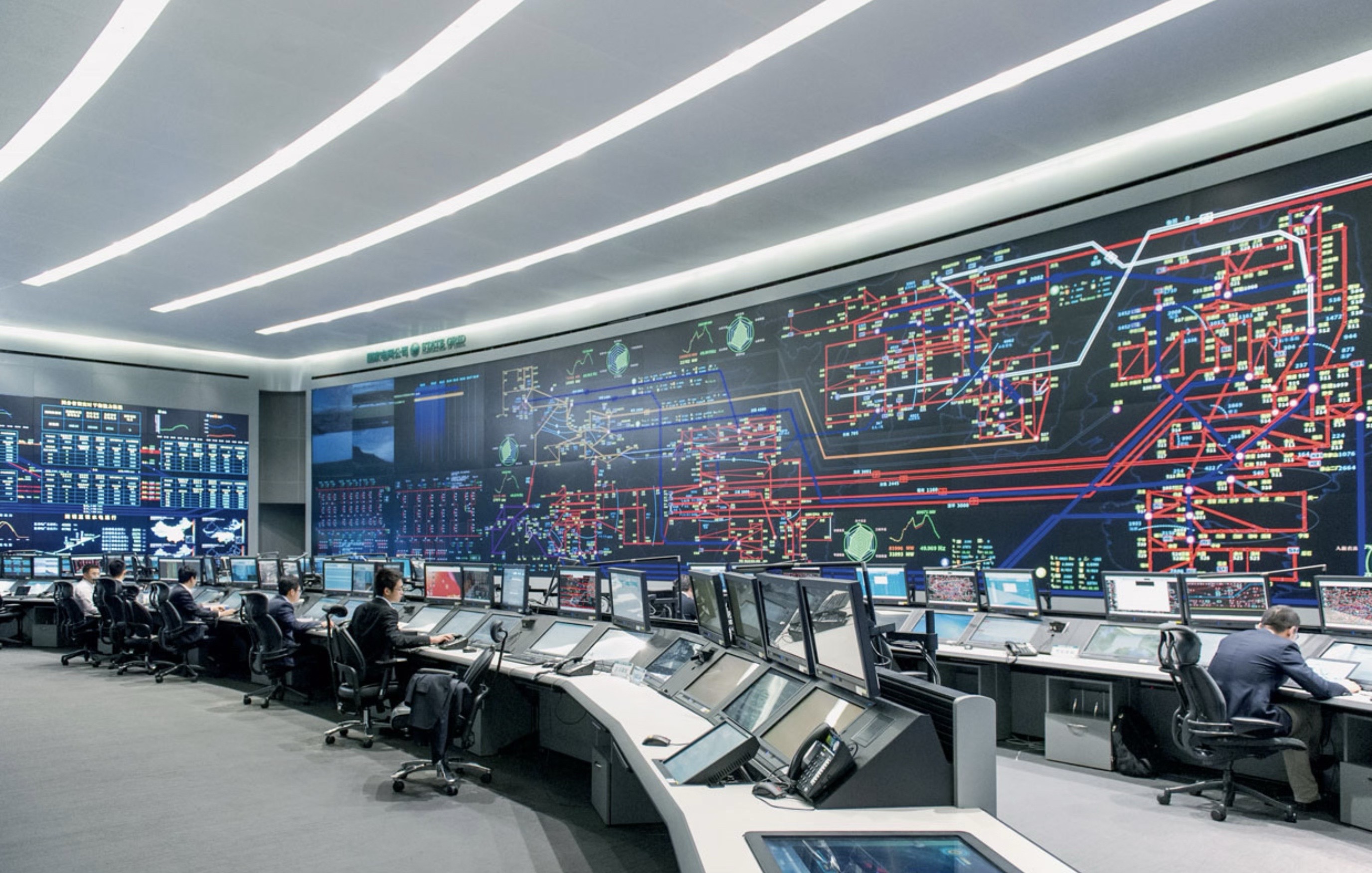
Inspiration: Power Resilience Requires "Forward-Looking Investment" and "Systemic Thinking" The stability of China's power grid is often credited to "building ahead": if the load is 300, the capacity is reserved up to 1000, thereby maintaining a huge regulatory margin. This "redundancy" thinking stands in sharp contrast to the "tight operation" of the U.S. grid. Cheng Maiyue points out that electricity, as the blood system of economy and society, must maintain sufficient resilience and expansion elasticity; otherwise, any new demand (such as AI) could trigger a systemic overload.
Chapter 4: The Future Path — Re-establishing the Strategic Priority of Power Infrastructure
From "Local Patching" to "Systemic Restructuring" Cheng Maiyue suggests that for the U.S. to truly solve its power crisis, it must move beyond the current "private lane" mentality and initiate a national-level grid modernization strategy. This includes:
- Listing grid upgrades as a flagship project for "National Infrastructure Revival," investing dedicated funds, and simplifying approval processes.
- Strengthening the digitalization and intelligence of the grid to improve its ability to accommodate and dispatch distributed energy (solar, storage).
- Establishing cross-state and cross-regional power coordination mechanisms to break market barriers and optimize resource allocation.
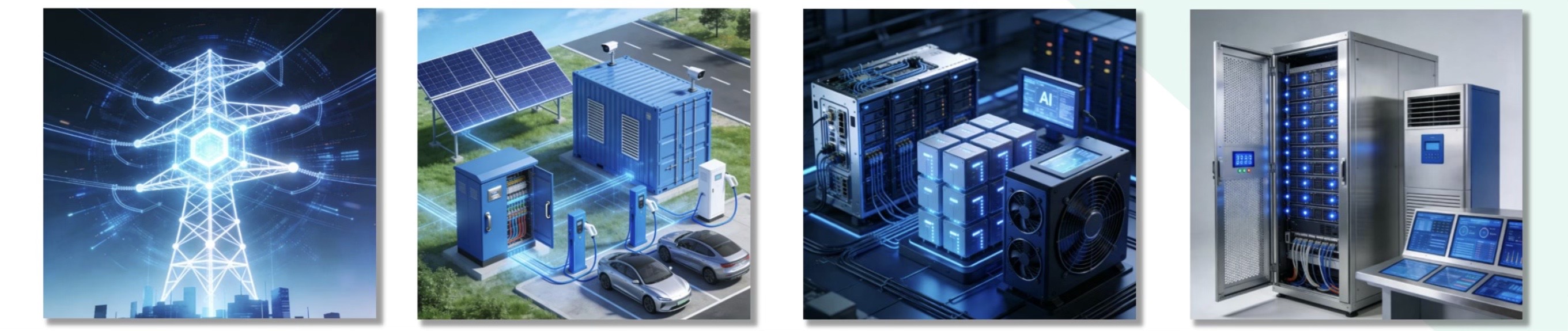
A New Paradigm for Power Security: Dispatchable, Green, and Resilient The ideal future power system must not only be "enough" but also dispatchable, green/low-carbon, and possess extreme resilience (against extreme weather, cyberattacks, etc.). This requires policymakers, enterprises, and technical experts to jointly promote technological innovation (such as long-duration storage, virtual power plants), market reform (such as capacity mechanisms), and investment model innovation (such as green finance, asset securitization).
The Century of Power — A New Definition of Power, Security, and Prosperity
Cheng Maiyue's analysis reveals a clear trend: electricity has leapt from a "cost item" in the background to a strategic asset at the forefront. Competition between nations is extending from the race for algorithms and chips to a contest of grid resilience and power supply stability.
For the United States, whether it can revitalize its power infrastructure concerns not only its economic competitiveness but will also affect the very foundation of its global leadership. For the world, the expansion of the concept of "power security"—from supply guarantee to system resilience, and from a technical issue to the core of national security—will reshape the future energy map, capital flows, and international power structure.
In this "Century of Power," investing in the grid is investing in the future of national security.
Comments
Please login to post a comment
No comments yet, be the first to comment!