

From Algorithm Engineer to Data Asset Revolutionary
Peter Wu's Forty-Year Tech Journey
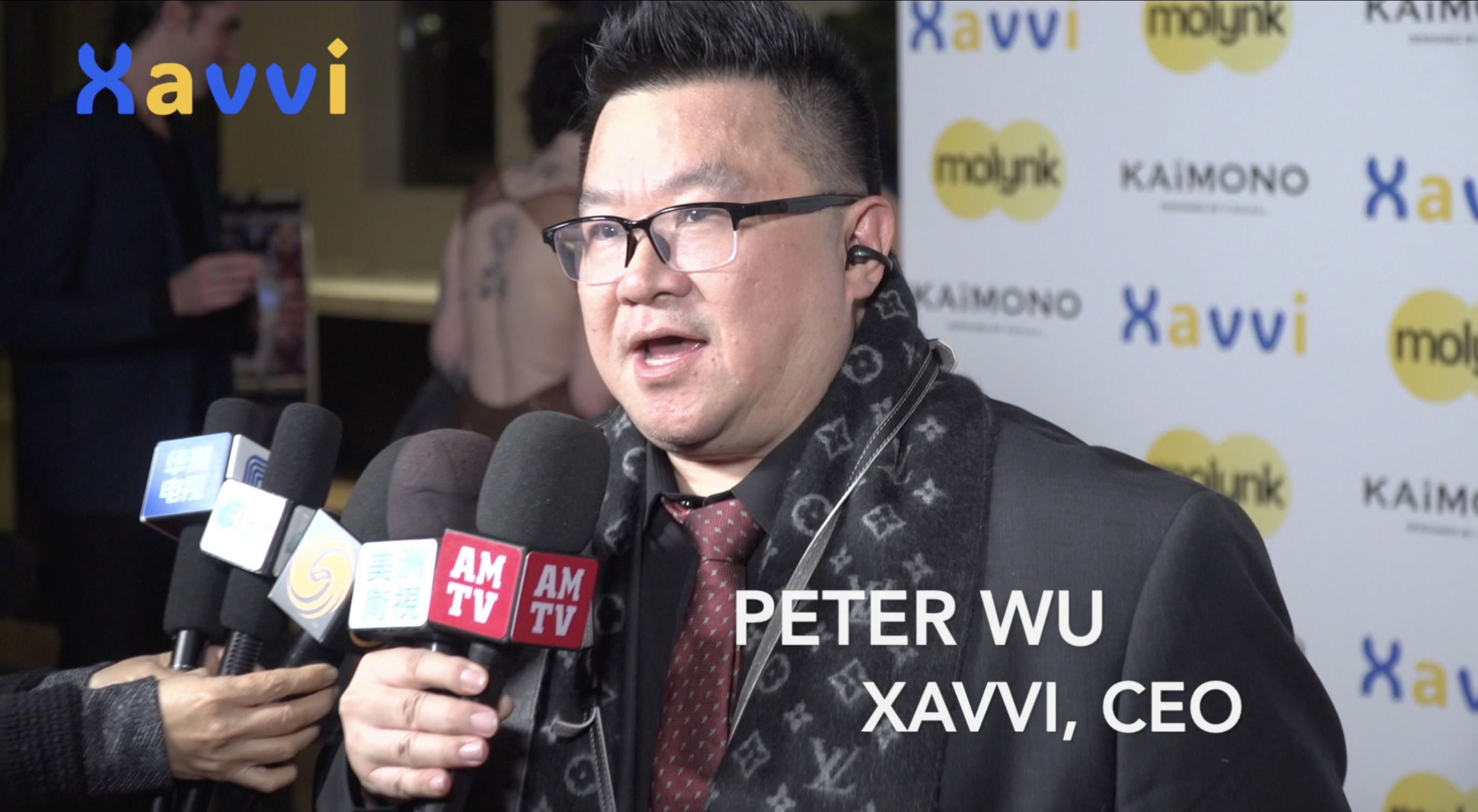 Peter Wu: Founder and CEO of Xavvi
In today's internet world, traffic, algorithms, and platforms have quietly become the new "invisible infrastructure." The attention of billions of people is focused on the digital space built by a few tech companies: how we obtain information, buy goods, and build interpersonal connections almost all goes through the algorithms of these platforms. From search to social networking, from e-commerce to short videos, platforms are secretly deciding: who is seen, who is forgotten, who can speak, and who has no chance to speak.
Amazon, Google, Facebook, TikTok…
They have not only changed the way information is disseminated, but also reshaped the global business structure. Businesses must pay ever-increasing advertising costs to be seen; creators can only follow the rhythm of algorithms to gain traffic. On the surface, freedom and openness remain the slogans of the internet; in reality, data, traffic, and commercial value are increasingly concentrated in the hands of a few platforms. For countless creators, fans seem "theirs"; however, the platforms themselves have always been the ones who truly control and distribute the data.
In an era where platform monopolies are becoming increasingly prevalent, some are beginning to ask a seemingly simple yet fundamental question:
Who should ultimately own the data and the influence?
Peter Wu is a thinker and practitioner who has long been contemplating this issue and attempting to redesign its structure.
He is an engineer and entrepreneur who has navigated five different systems and market environments, and multiple languages and cultures, including Taiwan, Argentina, Canada, China, and the United States. Starting in Taiwan, growing up in Argentina, being educated in Canada, and then dedicating himself to technological and business innovation in China and the United States, his forty-year technical career has consistently revolved around a single core theme:
Algorithms, data, and business structure.
From writing his first story in his youth to gradually understanding the power logic of the platform economy, and now attempting to transform "influencer influence" and fan data into data assets that can be registered, priced, traded, and even passed down through generations—what Peter Wu is doing is a systematic rewriting of the "relationship between creators, platforms, and data."
In his view, the future competition on the internet will no longer be just a contest of content and traffic, but a profound redistribution of data ownership and attention value. 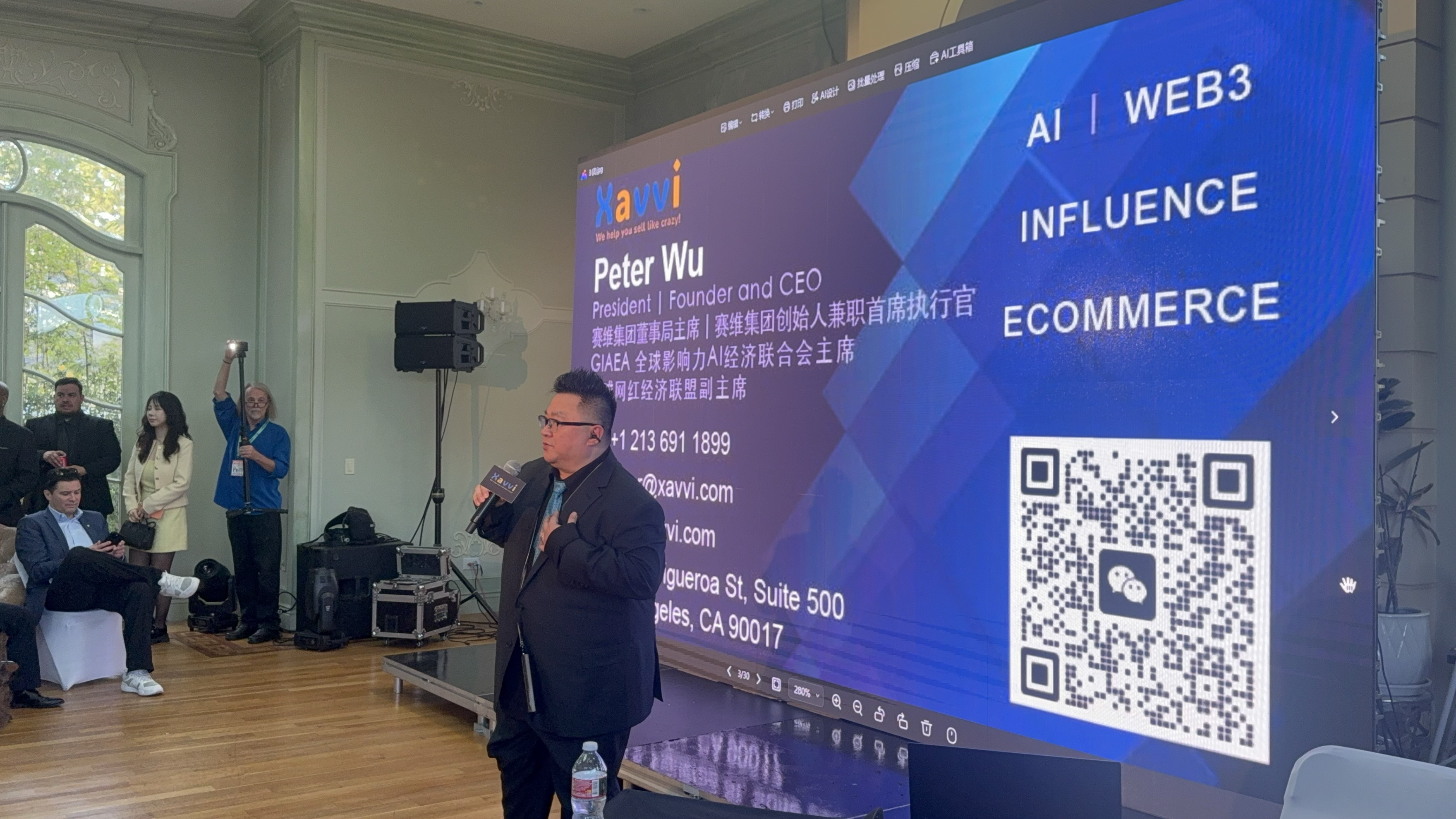 (Image caption) Xavvi CEO Peter Wu attends the Global Influencer Business Ecosystem Summit in Beverly Hills, Los Angeles in 2026.
I. From Taiwan to the World: An Individual's Globalization Trajectory
Peter Wu's life trajectory is itself a microcosm of the era of globalization. The switching between different countries, languages, and institutional environments not only shaped his personality but also completely changed the way he views the world of technology and business.
He was born in Taiwan and moved to Argentina with his family when he was ten. For a growing child, being suddenly placed in a completely unfamiliar language and culture was a dramatic displacement. However, it was during these years in South America that he learned to live in Spanish and to navigate a vastly different social system and business environment. Cross-cultural adaptation became a daily routine for him during his adolescence.
At the age of twenty, he went to Concordia University in Montreal, Canada, to study computer engineering. This bilingual city, where English and French coexist, is a crossroads of multilingualism and multiculturalism in North America. Here, he completed his engineering degree while honing his cross-language communication skills in a highly international environment. He also began to try to connect his technical interests with the evolution of global industries.
Around the age of thirty, he came to Shanghai, China—a time of rapid rise for the Chinese internet and e-commerce. Shanghai, as one of China's most international business cities, witnessed firsthand the explosive growth of the platform economy and digital business models. Living and working there for ten years, he not only observed the rapid formation of China's e-commerce ecosystem but also participated in it, using an engineer's perspective to directly observe the immense power generated by the interplay of algorithms, traffic, and business models.
Subsequently, he shifted his focus to Los Angeles, USA. This time, he was no longer just a member of an existing industry, but rather, with years of accumulated technical and business insights, he ventured into emerging fields such as artificial intelligence, data assets, and the Creator Economy, attempting to propose completely different structures and models to fundamentally rewrite the relationship between creators, data, and platforms.
Five different systems and market environments—Taiwan, Argentina, Canada, China, and the United States—have collectively shaped Peter Wu's life map. Because of this path, he developed a global perspective from a young age: in his view, technology and business are never phenomena confined to "a single country," but rather part of the evolution of global industrial structures.
When he later began to think about internet platforms, data assets, and the influencer economy, he could easily step out of a single market or regulatory framework and understand the deeper interconnectedness between technology, capital, and business models from a more macro perspective.
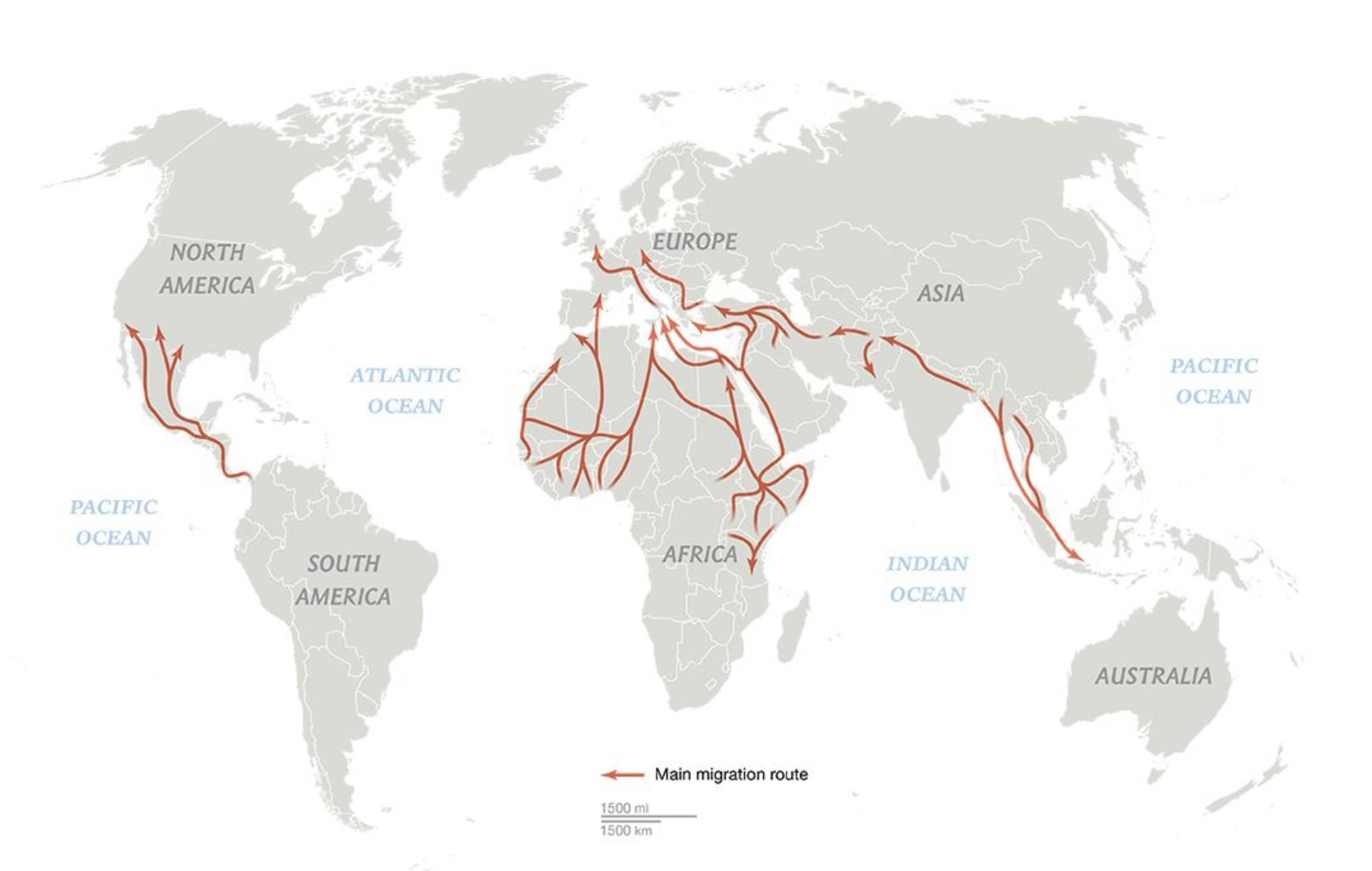 (Image caption) Peter Wu's life trajectory spans five different systems and cultural environments: Taiwan, Argentina, Canada, China, and the United States. This transcontinental migration path constitutes a typical map of an individual in the era of globalization.
II. Machine Language at a Thirteen-Year-Old:
Treat algorithms as a way of thinking
Peter Wu's technical journey began exceptionally early. For him, programming and algorithms were not a major he chose as an adult, but rather a "way of thinking" that gradually took shape from his teenage years.
At thirteen, when most of his peers still considered computers a distant technological concept, he had already begun learning programming. It was an era when computers were still rare devices, primarily found in laboratories and research institutions, not on every family's desk. By 1986, he was already writing programs in machine language, directly dealing with memory addresses, instruction sets, and hardware operating rules. This bottom-up training allowed him to understand, at a very young age, how computer systems truly "work inside."
Growing up in an environment of limited resources and scarce tools fostered a unique habit in him: to use logic and algorithms to find the optimal solution under constraints whenever possible. This way of thinking became the implicit foundation for all his later technological and business innovations.
For nearly forty years since then, he has almost never left the world of procedural programming and algorithms. With the popularization of personal computers, the rise of the Internet and the maturity of cloud computing, his technical landscape has continued to expand: from early system programming and software development, to e-commerce algorithms and platform systems in the later stages, and now to his focus on artificial intelligence and the data economy, he has always been at the forefront of technological evolution.
He is proficient in multiple programming languages, including C/C++, Java, Python, C# .NET, and Prolog/Lisp, and is skilled in system development, enterprise applications, and artificial intelligence scenarios. At the same time, he also has a long-standing interest in cutting-edge technologies such as machine learning, big data analytics, blockchain, and AI automation.
In his view, these are not just "tools," but a new way of understanding the world: algorithms can not only process data, but also redesign processes and even rewrite the rules of the game for an entire industry.
If you had to summarize his professional identity in one sentence, it would be:
An algorithm engineer who has been working for forty years.
But for him, algorithms are never the end goal, but a method—a way of understanding and reshaping the business world using technology and logic.  (Image caption ) In the era before personal computers were widespread, programming mainly took place in research institutions and laboratories. Thirteen-year-old Peter Wu had already begun to learn about machine language and the workings of low-level systems.
III. Twenty-five-year gaze platform algorithm:
See the truth behind "traffic bidding".
In the 25 years since the rise of internet commerce, Peter has devoted most of his time to the vast experimental field of e-commerce. In his view, e-commerce is not just a new retail channel, but a laboratory where one can clearly observe "how algorithms shape market structure".
From Taobao in China's early days to Amazon's global expansion, and then to the rise of short video and social e-commerce platforms, he has witnessed almost every key stage of the e-commerce era. Throughout this long journey, he has focused on the same core issue:
How do platform algorithms determine traffic allocation in the business world?
For ordinary consumers, e-commerce platforms are simply places to buy things; but for those who have long studied the platform rules, the real core is not the "products," but the "algorithm." The algorithm determines which products will be seen, which brands will get exposure, and how much a merchant must spend to get into the consumer's view.
Over the past 25 years, Peter has not only studied platform rules but also led numerous merchants in learning how to coexist with algorithms. He uses data analysis and content strategies to help merchants find efficiency beyond high advertising bids, reach users in a more precise way, and attempt to preserve a way for small and medium-sized businesses to survive in a highly centralized platform environment.
In his view, the vast majority of modern internet platforms are actually built on a very direct, yet extremely powerful, business logic:
Traffic bidding.
On Amazon, appearing at the top of search results often requires a continuous investment in advertising budgets; the situation is similar on Google and Facebook—brands must constantly run ads to maintain stable exposure. Once they stop, traffic plummets, and brand presence disappears.
In the early days, this did indeed greatly improve business efficiency; however, as the platform expanded, traffic became increasingly concentrated in the hands of a few top merchants and advertisers, and the platform became the biggest beneficiary.
For merchants, traffic costs are rising year by year;
For creators, exposure is increasingly dependent on the emotions of algorithms;
For the platform, data and advertising revenue continue to accumulate.
Peter called this structure:
Platform monopoly.
In this structure, the platform controls the algorithms and data; merchants and creators can only bid against each other within established rules. This, in his view, is one of the most pressing issues for rethinking in contemporary internet commerce.  (Image caption) As the platform expands, traffic gradually concentrates on a few leading brands and advertisers, while the platform itself becomes the biggest beneficiary of data and advertising revenue.
IV. To whom do the fans belong?
From Platform Monopoly to Data Control
In Peter's view, the core resource that platforms truly control today is not just the "traffic" on the surface, but the more fundamental asset hidden behind it—data.
Every click, every search, every moment spent on a page, and every purchase is meticulously recorded by the platform. These seemingly disparate behaviors, amplified by algorithms and big data analytics, ultimately coalesce into precise user profiles: age, interests, spending power, geographic location, lifestyle, and even potential future preferences.
When the behavioral data of billions of people is centralized on a single platform, it constitutes a vast commercial goldmine. The platform can use this data to optimize recommendations, target ads, predict the market, and improve conversion rates and profitability. However, the users and creators who actually generate this data rarely have the opportunity to own it.
Creators may seem to have millions or even hundreds of millions of followers, but the platform actually controls the follower data and the right to reach them. Once the algorithm is adjusted, the content may be demoted or even disappear at any time; once an account is mistakenly banned, the influence accumulated over the years may be wiped out overnight.
In this sense, creators don't truly have their own fans.
They are simply "renting" the small portion of traffic allocated to them by the platform.
Peter believes this structure is inherently highly unstable: creators and brands invest significant time and capital in cultivating influence, yet lack genuine control over their data and fan relationships. If platform rules are rewritten, the entire business model could be forced to start from scratch.
It was based on this observation that he began to ponder that crucial "what if"—
If data ownership could truly return to the hands of creators and users...
Will the economic structure of the internet be completely transformed? 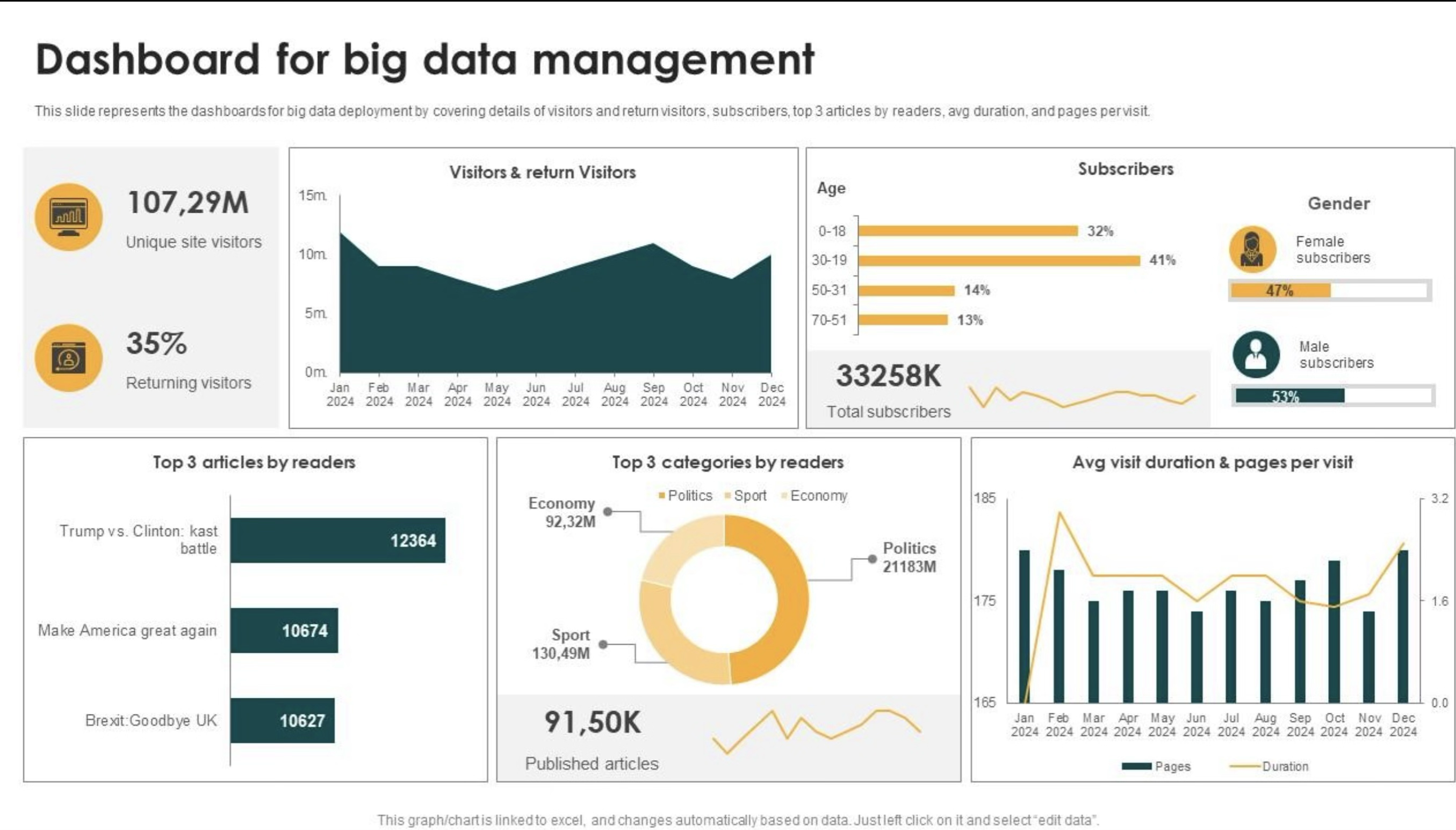 (Image caption) When the behavioral data of billions of users is concentrated on a few technology platforms, the platforms not only control traffic, but also control the algorithmic allocation of users and creators.
V. From Influence to Assets:
The Birth of "Trusted Data Assets"
Through long-term observation of internet platforms and the creator ecosystem, Peter gradually developed a new perspective: If influence itself is a kind of value, then should it also be recognized, recorded, and held for the long term, just like capital and real estate?
In the traditional model, a creator's value is mainly reflected in traffic, number of followers, and exposure; however, these metrics usually remain within the platform. Once the platform is redesigned or the account is at risk, this "value" will be washed away by the tide, like footprints on the beach.
So he put forward a concept:
Trustful Data Asset (TDA) – Trusted Data Asset.
In this model, the creator's fan data is no longer entirely attached to the platform, but is recorded in a traceable and verifiable form and truly held by the creator. The relationship between creators and fans is no longer just about "following" and "liking" on the platform, but can gradually be transformed into a digital asset that can be preserved in the long term.
Every click, interaction, and purchase by fans is aggregated into a trusted data structure. This data can be used to analyze user preferences and gain trend insights, and, under the premise of transparency and compliance, can serve as the foundation for brand collaborations and marketing activities. Brands that want to reach a creator's fan base can no longer rely solely on purchasing unverifiable "traffic packages" from platforms; instead, they can collaborate with TDA under clear ownership and tracking mechanisms.
Such data assets not only have immediate commercial value, but also have a long-term cumulative effect:
- It continues to grow with its fan base and over time, rather than being wiped out after each collaboration;
- It can be managed and valued like an asset, and can even become part of a creator's career as a "digital legacy".
Peter believes that the future digital economy will not only revolve around "products" and "services," but will increasingly revolve around "data ownership" and "attention value." Once this structure matures, the importance of data assets over the next thirty years may not be inferior to that of traditional real estate and fixed assets. 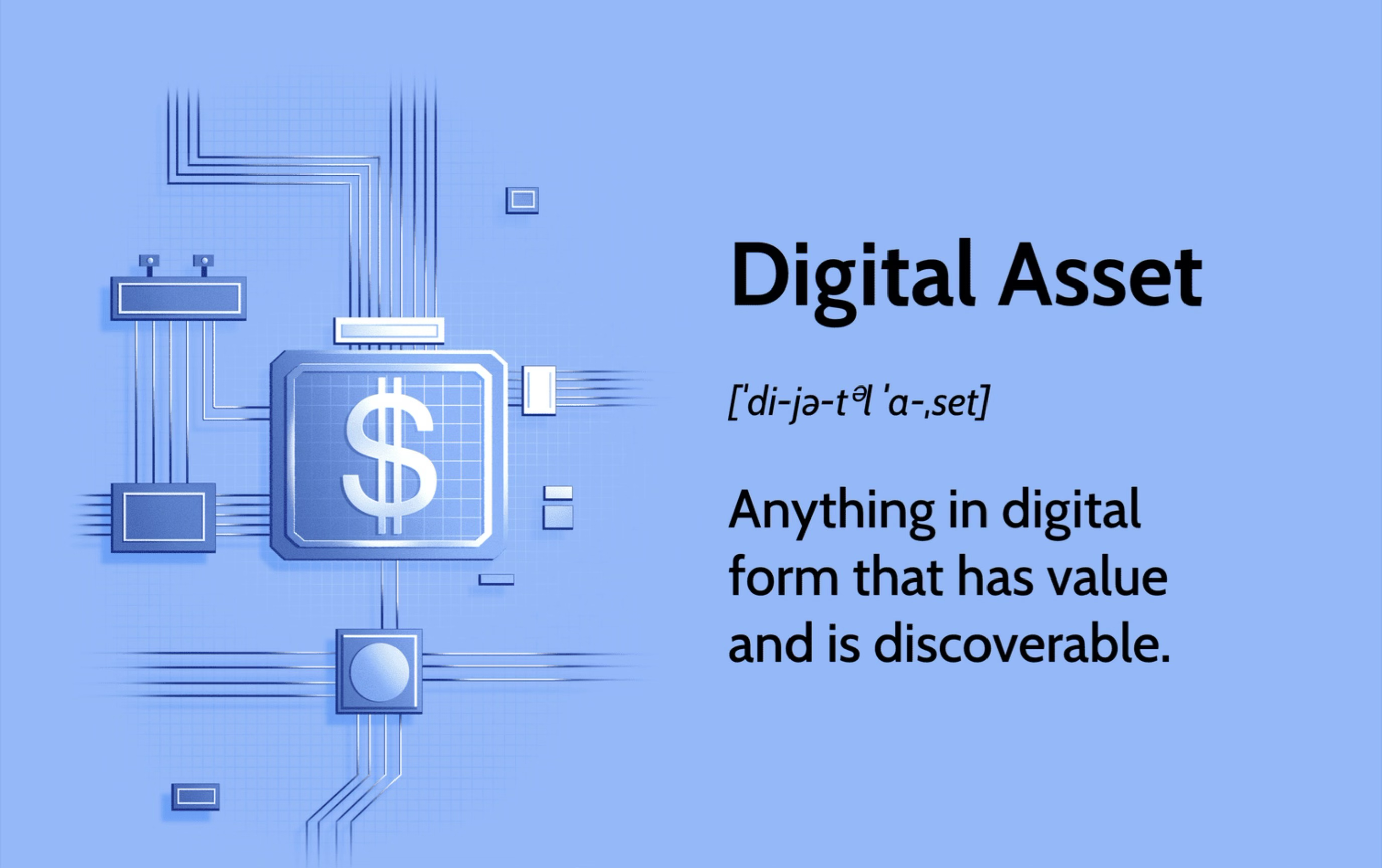 (Image caption) In the new data economy framework, influence is no longer just traffic, but a long-term asset that can be identified, managed and valued.
VI. Xavvi:
A live experiment of AI and the Creator Economy
An idea that remains on paper is merely a concept; to turn it into reality, a living testing ground is needed. For Peter, this testing ground is called Xavvi.
In Xavvi's design, it's not just "one more" platform, but a new type of creator economic infrastructure—the core concept can be summed up in one sentence:
Transform creators' traffic into long-term assets.
On traditional platforms, creators primarily monetize through advertising, product placement, or one-off brand collaborations: once the collaboration ends, revenue ceases abruptly; once content updates stop, income immediately disappears. Xavvi aims to change this "short-lived economy": allowing creators to gradually transform the fan relationships and influence they've accumulated over the years into holdable and inheritable data assets.
On Xavvi, creators can do a few key things:
- Establishing ownership of fan data
Creators can build their own fan databases, freeing fan behavior from being entirely confined to a single platform. This means that the relationship between creators and fans is beginning to break free from the constraints of platform algorithms, becoming a more stable and cumulative connection.
- Establish multi-dimensional data assets
It's not just about "number of followers," but rather multi-dimensional data including interaction, consumption preferences, and community behavior. This allows brands to truly understand their audience and gives creators' influence a more concrete and measurable commercial value.
Another key innovation of Xavvi is its AI Twin. The platform builds an AI avatar for creators that is highly consistent with their appearance, voice, and style, allowing it to generate content, conduct live-streaming sales, respond to fans, and participate in brand activities 24/7.
For creators, this means:
- Influence is no longer tied to an individual's time and energy;
- Even when people are not in front of the camera, brand collaborations and content production can continue to operate.
The traffic and data generated by AI will flow back into the creator's own TDA, becoming part of their long-term assets.
In Peter's view, Xavvi is not just a product, but an ongoing socio-technological experiment: it attempts to answer the question—in an era where AI and the data economy are becoming increasingly mature, can creators truly own their own influence assets and thereby build a business structure that no longer relies on platforms to hand out traffic?  (Image caption) Through AI Twin, creators can generate and interact with content around the clock, so that their influence is no longer limited by their personal time and energy.
VII. The Next Chapter of the Attention Economy
In Peter's business philosophy, the truly scarce resource is never capital or technology, but something seemingly intangible—human attention.
Smartphones and social media platforms occupy a significant portion of people's time: every swipe, every glance, every second spent on a screen generates a constant stream of data; this data is used by platforms to train algorithms, optimize ads, and predict purchasing behavior. In other words, user attention is the inexhaustible fuel for platform business models.
However, within the mainstream platform structure, almost all of this value is absorbed by the platform. Creators are the producers of content and the key to attracting attention, yet they often have no control over how attention is quantified, allocated, and priced.
Therefore, Peter proposed the framework of the "Attention Economy": in this framework, creators are not appendages of the platform, but actual holders of attention resources; and fans' participation is no longer just passively "spending time," but constitutes a link in the entire data value chain. Through new technologies and business models, both creators and fans have the opportunity to share the economic value generated by attention.
In his view, the future digital economy will shift from "grabbing traffic" to "reconstructing attention"—whoever can understand and respect the true value of human attention will have the opportunity to take the initiative in the new round of internet transformation. 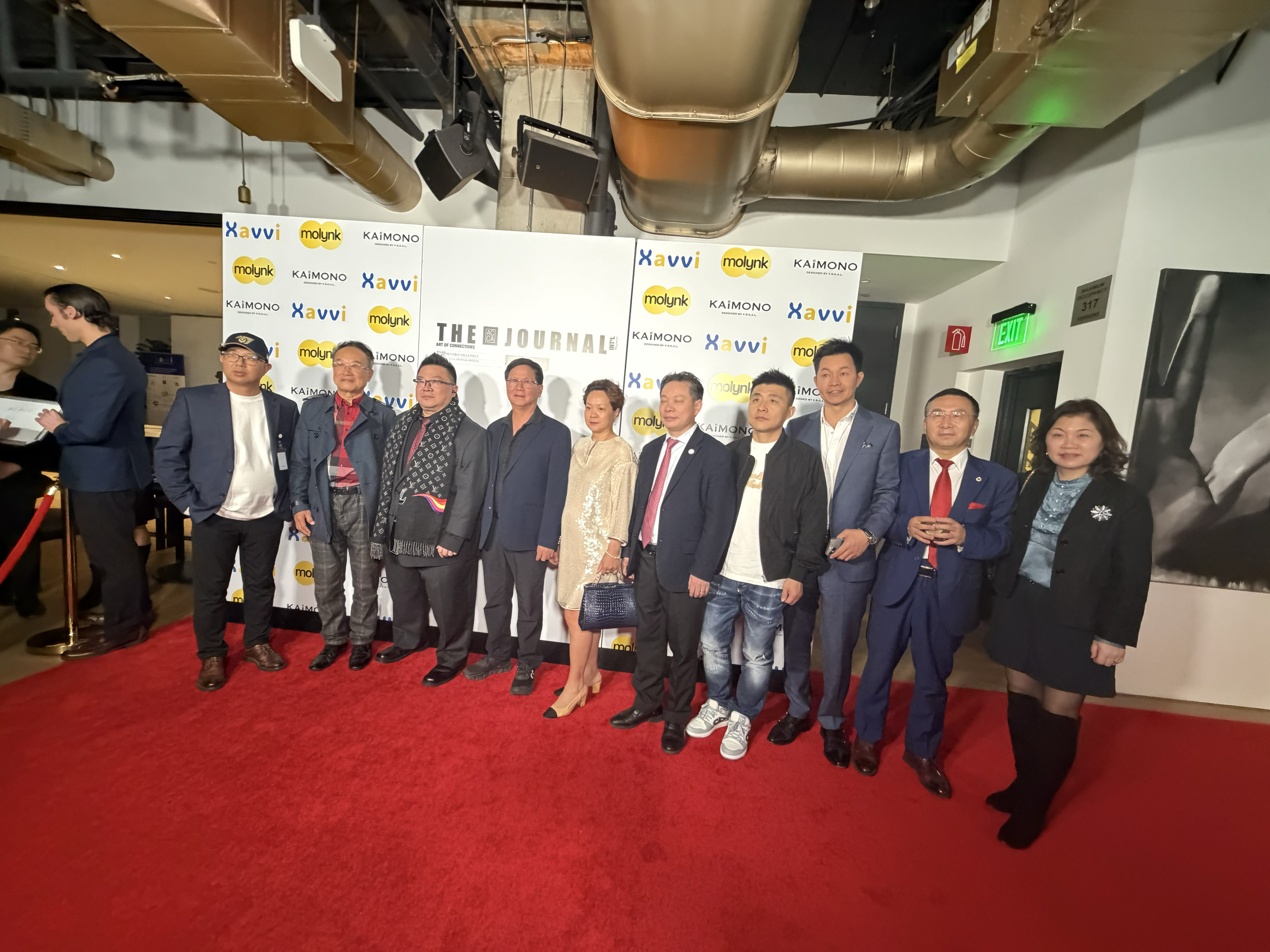 (Image caption) Peter Wu is a long-time active participant in international conferences and entrepreneurial events in the fields of AI, e-commerce, and the Creator Economy.
VIII. Web3 and Digital Finance:
Building a "credibility infrastructure" for data assets
As the internet evolves from Web2 to Web3, blockchain provides an unprecedented infrastructure for the confirmation and circulation of data assets. In Peter's vision, if data assets are to be recognized and understood by the financial market in the long term, they must be built on a technological system with transparency and credibility, and blockchain is precisely such a tool.
The core of blockchain lies in its high transparency and immutability once data is written onto the chain. All transactions and records are traceable and verifiable, and the source, usage, and ownership of data can be clearly identified. For fan data that has long been locked away in platform databases, this represents a completely new avenue for growth.
Within this framework, the fan behavior and interaction data accumulated by creators can be packaged into TDAs—Trusted Data Assets—becoming verifiable, regulated, and marketable digital asset units. Brands can legally use this data within a clear ownership structure to reach their target audience; fan engagement can also create new value loops within the entire ecosystem.
Data assets are therefore no longer just a pool of "hidden resources" within a platform, but have the potential to evolve into a new financial foundation:
- It can support targeted advertising and cross-platform e-commerce;
- It can serve as an important basis for brand decision-making and risk assessment;
- It can even become a bargaining chip for creators and institutions to renegotiate cooperation terms.
In Peter's view, Web3 and blockchain are not just another tool for financial speculation, but underlying technologies with the potential to redefine the order of the internet economy. When data and influence can be clearly identified and marketized, the future digital economy may be built on a completely new triangular foundation—data, influence, and trust—becoming the new core assets.  (Image caption) As a technology entrepreneur and AI strategist, Peter Wu has long focused on the structural evolution of data, algorithms, and the platform economy.
IX. The AI Era:
When everything can be automated, what will still be scarce?
When it comes to the future, Peter's predictions are often seen as radical; but for someone who has long tracked the evolution of technology, he is simply pushing the historical trajectory forward one step at a time.
In his view, artificial intelligence will completely rewrite the way the global economy operates in the next decade. With the improvement of computing power and the leap in model capabilities, a large number of jobs that rely on repetitive operations and standard processes will be quickly taken over by AI systems and robots: from content creation and data analysis to customer service and some decision-making processes, many positions that traditionally require a large number of people will be gradually automated.
This will reshape corporate organizations: companies will become smaller and more agile, but operational efficiency will increase dramatically. Many business systems may only require a few core decision-makers and technical personnel to support massive digital operations in the future. AI will evolve from an auxiliary tool into a fundamental component of corporate productivity.
However, in this process, there is a value that is difficult to completely replace—brand and influence. As production and creation become cheaper and more standardized, what is truly scarce is no longer the ability to "make things," but the ability to "make people willing to watch you and trust you."
Products can be copied, but stories and trust are hard to replicate.
In the future economic structure, people will increasingly make choices based on their trust in a particular person, brand, or narrative, rather than solely on price and functionality. Creators and brands that can consistently attract attention and build long-term trust will become the new generation's "core assets."
Therefore, Peter believes that the Creator Economy will only become more important in the AI era: when technology lowers the barrier to creation, what truly has value are the people and organizations that can make "attention" willing to return repeatedly.  (Image caption) Peter Wu believes that AI technology is reshaping business structures, and one person can now generate the output of twenty people in the past.
10. In an era of great change, questioning true ownership.
Peter Wu's ideas and practices stand at the crossroads of a major technological shift. Over the past few decades, the internet has grown from an information dissemination tool into a key infrastructure of the global economy; and today, artificial intelligence, blockchain, the data economy, and the Creator Economy are all accelerating simultaneously, intertwining to create an unprecedented technological and business revolution.
Land, factories, and financial capital were once the core assets of the industrial age; in the digital age, data and attention are gradually taking center stage. AI automates content production and operation, blockchain lays the foundation for data ownership and transactions, and the creator economy gives individuals the opportunity to directly influence the market and consumers.
Against this backdrop, Peter attempted to offer his own answer. He wasn't simply pursuing a successful commercial platform or a new technology, but rather a model that redefines the relationship between creators, platforms, and data. By transforming fan behavior and influence into verifiable and traceable data assets, he hoped to pave a path for creators to no longer be entirely dependent on platforms.  (Image caption) The Xavvi platform is committed to combining AI technology with social media e-commerce to create a new creator economy model.
This path is certainly still in its early stages: technological maturity, regulatory frameworks, user education, and market acceptance are all constantly evolving. Whether this model can ultimately develop into a stable economic structure remains to be seen and will require time and market forces to determine.
But regardless of the outcome, the questions he raised have begun to resonate on a wider scale:
Who does the data actually belong to?
Can influence be a real asset?
Is it possible for creators to truly own their own digital value?
As the internet moves to the next stage, these questions will inevitably be repeatedly asked. In a sense, the answers to the future may very well be found in these still immature but uncompromising new experiments we are conducting today.
Peter Wu Biography
I. Basic Information
| project | content |
| Name | Peter Wu |
| identity | Xavvi Founder | Data Scientist | Technology Innovator | E-commerce Education Pioneer |
| [email protected] | |
| Work location | United States (Global Business) |
| Technical experience | 40 years of technological research and development experience |
⸻
II. Overview of the Major
| project | content |
| Technical experience | 40 years of technological research and development |
| e-commerce experience | 25 years of e-commerce practice |
| Educational experience | 20 years of education and training |
| Programming Start | Started programming at age 13 |
| Educational Background | Computer Engineering, Concordia University, Canada |
| International Experience | North America, Asia, Latin America |
| Company Experience | Previously worked at CAE (Aerospace Technology) and LVMH Group |
| Technical Field | AI, e-commerce algorithms, big data systems |
| Language ability | English, Chinese, Spanish, French |
| Educational Entrepreneurship | Founded "Old A E-commerce Academy", training 260,000 students |
| Business Ecosystem | Build an ecosystem of 100,000+ suppliers |
| Current business | Xavvi was founded to reshape the global influencer economy by combining AI and Web3. |
| Social goals | Creating digital jobs for 1 million families worldwide |
⸻
III. Core Competencies
| Ability Type | technology or skills |
| Technology Development | C/C++, Java, Python, Lisp/Prolog, C# .NET |
| AI technology | AI automation, machine learning |
| Blockchain | Web3 technology |
| Data Analysis | MySQL, SQL Server, Oracle, Hadoop |
| Data modeling | Big data analytics, machine learning modeling |
| e-commerce platform | TikTok Shop, Douyin e-commerce, Amazon, Wish, Taobao |
| Algorithm capability | Social e-commerce algorithm optimization |
| Management ability | ERP, BI systems, AI business applications |
| Language ability | English | Chinese | Spanish | French |
IV. Main Experiences
| time | Job | mechanism | Main content |
| 2023–present | Founder and CEO | Xavvi | Building an AI-driven e-commerce platform for brands and creators |
| Launching TTS University and TikTok Creator Academy | |||
| Create a Creator Showroom | |||
| AI automation reduces labor costs by 80%. | |||
| E-commerce operational efficiency improved by 300% | |||
| The goal is to help 2 million Chinese businesses enter the European and American markets. | |||
| 2018–2023 | co-founder | Growth Hack Union | Building an e-commerce innovation ecosystem with 28 partners worldwide |
| Cracking Short Video Traffic Algorithms | |||
| Train 120,000 Douyin e-commerce merchants | |||
| 2012–2018 | Founder/Dean | Old A E-commerce Academy | Establishing an online education model for e-commerce in China |
| Train 260,000 e-commerce trainees | |||
| Build an ecosystem of 100,000+ suppliers | |||
| Jointly building a "Maker University" with Xinhua News Agency | |||
| 1996–2003 | VP of Software R&D | Rymark / LVMH project | Develop ERP and CRM systems for Dior, Givenchy, and Kenzo. |
| Before 1996 | Senior Analyst | CAE (Canadian Academy of Aeronautical Science) | Participating in the research and development of civil aviation navigation systems |
⸻
V. Major Achievements
| Achievement | illustrate |
| E-commerce education innovation | Pioneering China's online e-commerce education system |
| Talent cultivation | Trained 260,000+ e-commerce students |
| Industry impact | Impacting 1 million+ e-commerce professionals |
| Supply chain ecosystem | Establish a network of 100,000+ suppliers |
| Luxury Brand System | Develop a global retail management system for LVMH |
| AI e-commerce platform | Founding the Xavvi platform |
| Efficiency Improvement | E-commerce operational efficiency improved by 300% |
⸻
VI. Social Positions
| Job | mechanism |
| Joint Executive Director | Xinhua News Agency's "Maker University" |
| Dean | E-commerce Branch of the National Vocational Education Research Institute |
| President | China E-Commerce Association Employment and Entrepreneurship Promotion Association |
| Senior Advisor | Fudan University Software Engineering Master's Program |
⸻
VII. Educational Background
| School | Bachelor of Science | major |
| Concordia University, Canada | Bachelor | Computer Engineering |
⸻
VIII. Personal Traits
| traits |
| Innovative thinking |
| Technology-oriented |
| Global Perspective |
| Educational Passion |
| Cross-cultural competence |
| AI Business Strategy Integration Capabilities |
⸻
Xavvi Business Model Table
Xavvi Business Model Architecture
| hierarchy | Chinese name | English name | Core content | Functions and Value |
| First layer | Creators | Creator / Influencers / KOL | Internet celebrities, content creators, KOLs | The source of content and traffic: building a personal brand and influence. |
| Second floor | Fan relationship | Fan Base / Followers / Audience | Fan communities and audience groups | Establish a stable community interaction and traffic base |
| Third layer | Trusted Data Assets | Trustful Data Asset (TDA) | Fan interaction data, user behavior data, data ownership confirmation | Transforming fan relationships into data assets that can be recorded and analyzed. |
| Fourth floor | AI Automation / Digital Clone | AI Twin / AI Automation | AI anchors, AI customer service, AI content generation, marketing automation | Improve content production efficiency and business operation efficiency |
| Fifth floor | Commercial monetization | Monetization | E-commerce sales, brand partnerships, advertising, data services, Creator Economy | Turn traffic and data into revenue |
| Sixth floor | Global Business Ecosystem | Global Ecosystem | Cross-border e-commerce, brand collaboration, supply chain, Web3 and data finance | Establish a complete global digital business ecosystem |
⸻
Business Logic Process
| Process Phase | Key Actions | Generate value |
| Creators | Content generation and influence | Establish traffic entry points |
| fan community | Building communities and interactions | Maintaining fan relationships |
| Data assets | Record fan behavior and interaction | Forming credible data |
| AI Automation | AI avatars and automated operations | Amplify content and business capabilities |
| Commercial monetization | E-commerce, advertising, brand partnerships | Realize income |
| ecosystem | Cross-border e-commerce and data finance | Establish a global business network |
⸻
Xavvi's core business model logic
| Core Concepts | illustrate |
| Creator Economy | Creator Economy |
| Data Economy | Data Economy |
| AI Automation | AI Automation |
| Platform Ecosystem | Platform Ecosystem |
Creators → Fans → Data → AI → Business → Global Ecosystem