

Cheng Maiyue: A Guardian of Energy Boundaries in the Era of Computing Power
The Electricity, Power Grid, and Institutional Time Behind the Expansion of AI
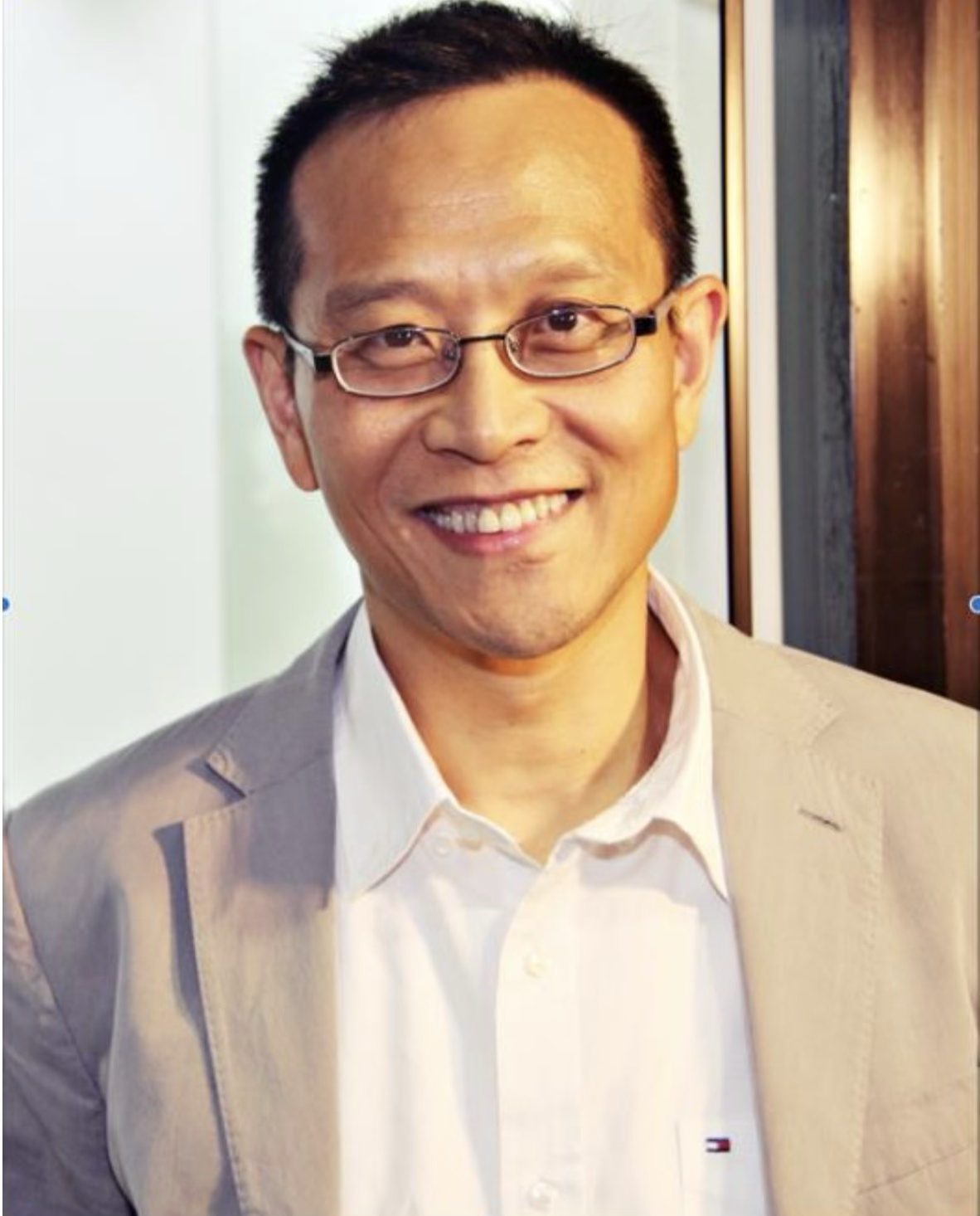 (Image caption) Mr. Cheng Maiyue is a leading expert in the field of global energy transition and energy system restructuring, with over thirty years of practical and research experience in international energy, infrastructure, and energy finance. He is currently the Managing Partner of CT Green Capital, a founding director of the Wuzhen Think Tank, and a former partner of the Rocky Mountain Institute (RMI).
The nights in Silicon Valley are always excessively bright.
It's not that cities refuse to sleep, but that machines don't have that option. Data centers, like a new kind of urban organ, are hidden among low-rise buildings outside highways, quiet and unassuming, yet subtly rewriting the way electricity, networks, and land use are used throughout the region. You stand on the edge of a park and see rows of cooling towers and fans in the distance, hearing a low-frequency roar that keeps returning like the tide—that's not "sound," but more like a long-term, unwavering will: models need to be trained, weights need to converge, computing power needs to be realized, and tomorrow must be bigger, faster, and denser than today.
This is the most familiar scene in the AI era: speed, density, and exponential growth.
But if you stand there long enough, you'll start to notice something else—it's all asking for the same thing: electricity. 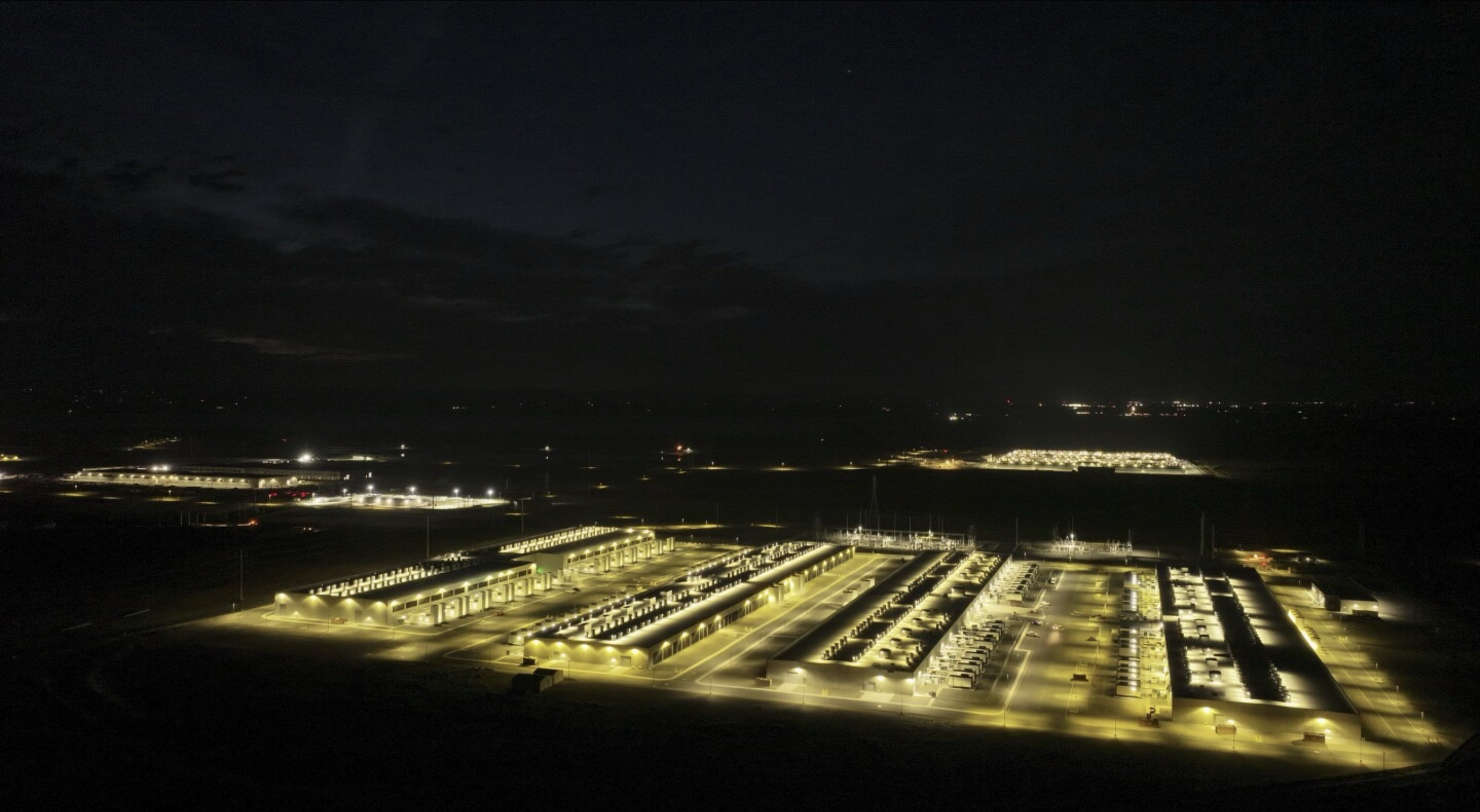 (Image caption) An AI data center operating at night. The high-speed operation of computing power brings electricity and infrastructure from behind the scenes to the forefront, becoming an unavoidable reality for the expansion of AI.
This isn't about electricity in the conceptual sense, but about electricity in the real world: transmission lines, substations, interconnection capacity, equipment delivery dates, engineering contracting, approval processes, local coordination, and those perpetually slow construction schedules. These things rarely appear on the stage or at tech company press conferences, yet they determine whether everything after the conference can be implemented. You can draw beautiful computing power curves in your presentations, write impressive model parameters, and talk about investment figures with great enthusiasm, but if the grid connection is not working, capacity is insufficient, transformer delivery is delayed, or inter-regional power transmission is stuck in coordination, all the highlights will be dragged into a long wait.
It is against this backdrop that a less conspicuous but increasingly clear crack has begun to emerge: as computing power is incorporated into the core of national competition, has the power system become that invisible ceiling? — It's not as simple as "whether there is a power shortage," but rather "whether electricity can be accessed and dispatched in the right way, at the right time, and in the right place," and whether it can be allowed to be connected and dispatched by the system.
Cheng Maiyue is a name that is being mentioned more and more by people in the industry on this issue.
⸻
You might think the limit of AI lies in chips, but Cheng Maiyue is looking at the power grid first.
Cheng Maiyue has never been the type to crave the spotlight. If you've ever met him in a meeting room, your first impression is usually not of his sharpness, but of his restraint. He doesn't rush to speak; most of the time, he simply listens quietly: listening to you talk about computing power scale, the pace of mergers and acquisitions, real estate and industrial parks, electricity prices and supply chains. When it's his turn to speak, he usually only says a few words, but that's enough to suddenly silence the room.
What is your estimated grid connection time?
"Is the delivery date for this transformer still the same as the figure stated in your report?"
"If the load is to come on at this point, where is the route?"
"Who is responsible for cross-regional coordination? Did you receive a letter of intent or approval?"
These questions are devoid of emotion and rhetoric, yet they often bring discussions to a standstill. This is because they point not to a vision, but to engineering timelines; not to grand narratives, but to whether the system allows it. Many people talk about the "boundaries" of AI, focusing on the performance limits of chips, the scalability of models, and the supply of data and talent; but Cheng Maiyue talks about "boundaries" about something more ruthless: the capacity of the power grid, construction cycles, and cross-regional coordination and governance mechanisms.
Against the backdrop of artificial intelligence's comprehensive upgrade to a national strategic asset, he proposed a core shift: the core constraint limiting a nation's technological competitiveness is shifting from semiconductors and algorithms to the power and grid infrastructure itself. This statement is jarring because it forces us to acknowledge that the technological race is no longer just a race of "R&D speed," but a race of "infrastructure and institutional efficiency." You can use capital to accelerate chip procurement, and you can use software optimization to improve utilization, but you can hardly use the same methods to accelerate the construction of a power transmission corridor, or to expedite the planning and commissioning of a substation.
Furthermore, he argues that the key bottleneck restricting the deployment and expansion of AI in the United States is not insufficient power generation capacity, but rather the structural limitations of the power grid in terms of capacity capacity, construction cycle, cross-regional coordination, and governance mechanisms. This is not to deny the importance of power generation, but to point out that there is an entire power grid and regulatory framework separating "power generation" from "available power." If electricity cannot be safely delivered to load centers, cannot be approved for connection, and cannot be reliably dispatched, then even a large amount of power generation may remain only on the report.
Therefore, electricity and power grids are no longer merely "background conditions" supporting AI, but are evolving into an institutional variable—directly shaping the boundaries of military capabilities, the resilience of critical infrastructure, and the overall national security architecture. In other words, when computing power becomes a strategic asset, the power grid is no longer a technological engineering project, but a security engineering project; no longer just a "cost," but the "foundation of national power."  (Image caption) In the current U.S. power system, transmission capacity, interconnection approval, and inter-regional coordination form multiple bottlenecks. Even if generation capacity exists, new computing power may still be forced to wait due to grid connection and dispatch restrictions, causing energy to transform from a "background condition" into an institutional constraint.
⸻
In an era where "demand only has an accelerator, not a brake": electricity begins to shift from the background to the main theme.
In the past two years, private conversations between Washington and Silicon Valley have increasingly returned to the same focus: electricity demand is rising at an even faster pace, with no sign of slowing down. In the past, data centers could be viewed as a kind of "manageable industrial electricity consumption," balanced by electricity prices, location, and contracts; but as generative AI becomes part of platform-level competition, defense, and industrial policy, electricity consumption is no longer a simple corporate behavior, but more like a structural growth: it's not a matter of "whether to use it," but "must use it."
This inevitability alters the sequence of all strategies. When computing power becomes a long-term, continuously growing consumable supporting the reliability of AI services, rather than a one-time R&D investment, electricity ceases to be merely a cost and becomes a prerequisite for expansion. You cannot promise a guaranteed delivery of computing power externally when the power grid is uncertain; nor can you demand a doubling of model training internally when grid connection is still unclear. Thus, electricity is pushed from a "supporting issue" back to a "main variable": it determines the pace, the scale, and whether promises can be fulfilled.
At this pivotal juncture, Cheng Maiyue's language is anything but romantic. He doesn't speak of "energy supporting AI," but rather of a harsher reality: under the current energy and electricity system in the United States, taking Northern California as an example, even a 20-megawatt AI data center, from project initiation to grid connection, would take nine to eleven years to achieve its goal, even with a self-sufficient energy solution combining solar power, energy storage, and natural gas. This isn't a matter of technology or funding, but rather the result of the combined effects of systems, the power grid, and time.
The span of "nine to eleven years" is almost another century for the tech industry. Think about it: what stage was AI at nine years ago? How different is the GPU ecosystem eleven years ago compared to today? When technology advances at a rate of quarterly updates and annual iterations, while infrastructure moves on a decade-by-decade scale, this mismatch in timescales turns all ambition into waiting, and all plans into queues. Even worse, waiting doesn't necessarily yield results: because it's not just one company in the queue; the entire queue represents the demands of successive generations of industries—and grid expansion doesn't automatically accelerate just because the queue is longer. Thus, AIDC developers are forced to seek off-grid power solutions, which are typically more expensive. 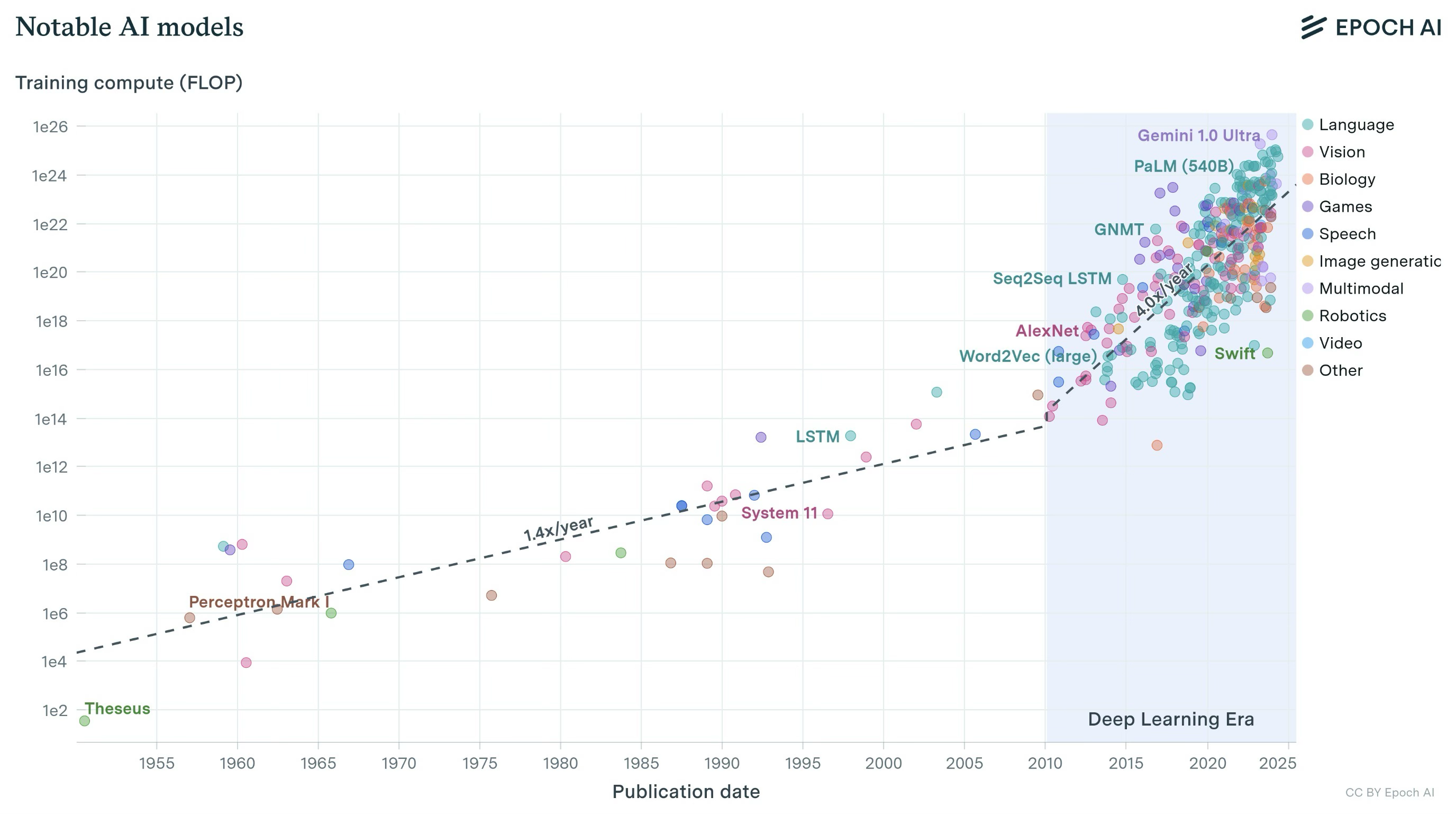 (Image caption) The demand for AI computing power is rising exponentially, while the construction of power and grid infrastructure is progressing on a decade-by-decade scale. When the speed of technological iteration is severely mismatched with the engineering timescale, the energy system becomes an invisible boundary limiting the upper limit of AI expansion.
⸻
His approach is unusual: he went through both "institutional time" and "engineering time".
Cheng Maiyue's judgment did not derive from a single discipline, but rather from a rare and complete path: navigating multilateral aid agencies, energy companies, tech giants, independent think tanks, and investment practices, he has long been at the intersection of "exploration" and "implementation." The greatest advantage of this path is that he is not easily bound by a single narrative—he doesn't view the world solely from a policy perspective, nor solely from a traditional industry investment perspective, nor solely from a technological perspective. Because he understands that any change to a large-scale energy system must simultaneously traverse the three dimensions of engineering, capital, and institutions.
This also naturally imbues his understanding of "energy transition" with two dimensions:
Technical and engineering dimensions: equipment, schedule, scheduling, resilience;
Economic and institutional measures: efficiency of approval, coordination, and governance, and cost of capital.
Many people talk about the energy transition by discussing visions, routes, and slogans; but what they often talk about are the obstacles, frictions, and "steps that cannot be skipped." The energy dilemma of AI amplifies all these steps. Because the demand curve for AI cannot be smoothly adjusted like in traditional industries, it's more like a "competition-driven accelerator": as long as others accelerate, you can't stop; as long as the market offers rewards, you'll be pushed forward. Thus, all the grid problems, interconnection issues, and approval issues that could have been addressed gradually suddenly become hard constraints that "bite immediately."
Therefore, his awareness of the energy problem related to AI does not stem from pessimism, but from an intuition about the mismatch in time scales: you can replace a generation of chips every twelve months, but you can hardly rebuild an aging power grid in twelve months. This sounds like common sense, but it is often ignored in public discourse. This is because people prefer to talk about controllable variables: technology, capital, and talent; and dislike talking about uncontrollable variables: institutional coordination, engineering schedules, local interests, and supply chain bottlenecks. Cheng Maiyue is called a "watchdog" precisely because he focuses on those things that are not fashionable, but which determine success or failure. 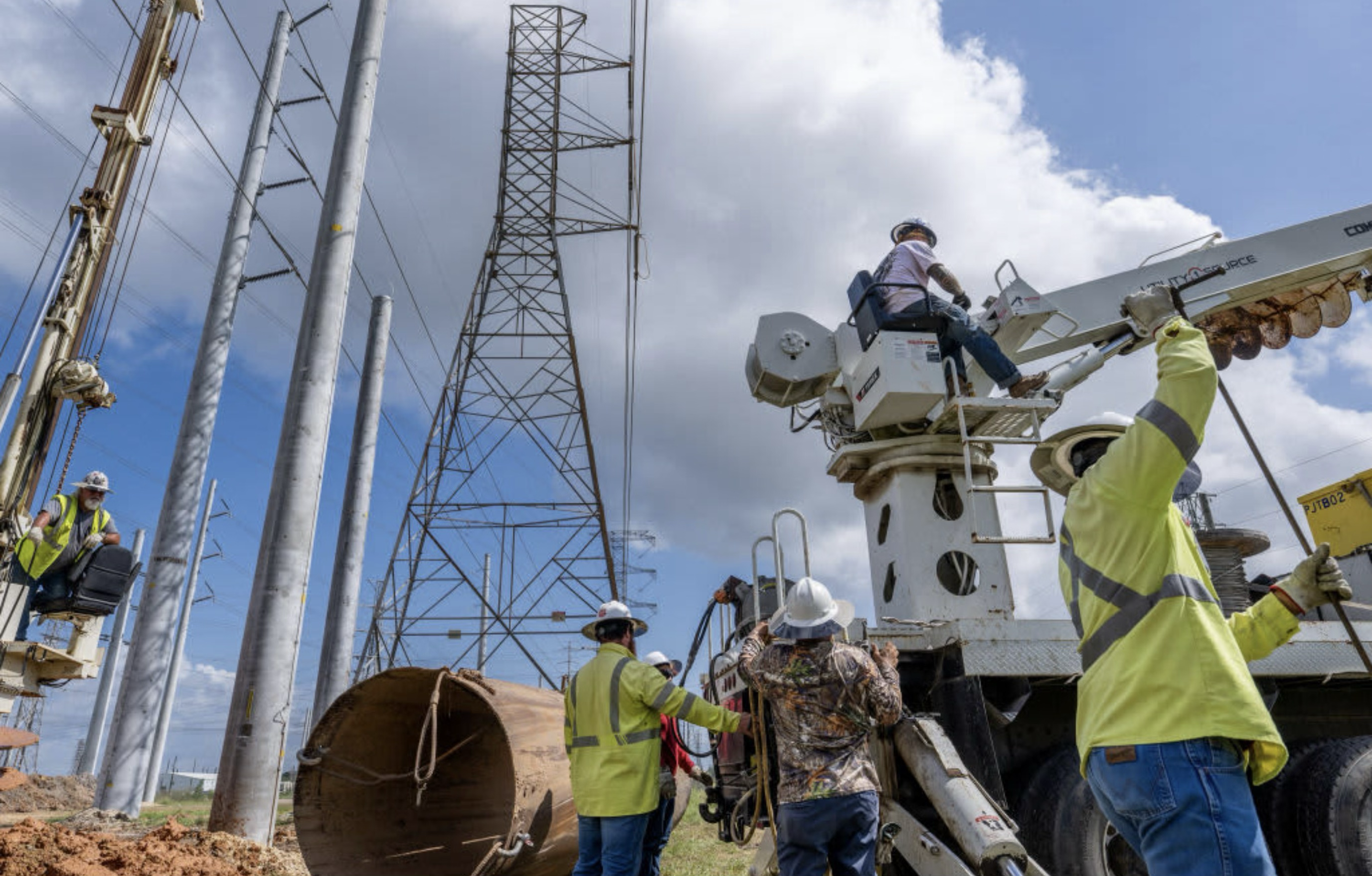 (Image caption) The construction of energy and power grids often involves years of approval, coordination, and construction processes. This institutional and engineering timeframe constitutes the most difficult variable to compress in the expansion of AI.
⸻
What he opposes most are three seemingly reasonable but actually misleading "simplified narratives".
In public discussions, the energy dilemma of AI is often simplified to one sentence: "Insufficient power generation." Cheng Maiyue has always distanced himself from this statement. He does not deny the importance of power generation, but rather reminds people to see clearly that the real bottleneck is often not at the power generation end, but at the grid end and the access end.
The first misconception: simplifying the problem to "lack of power".
He often uses a very simple analogy: power generation is like a car, and the power grid is like a road. You can buy a car quickly, but a road can't. You can announce an investment today and order equipment tomorrow, but the selection of transmission lines, permits, land acquisition, environmental impact assessments, local coordination, and construction—each step can drag on to an unbearable degree. Moreover, AI data centers don't need "power someday," but rather the reliability of "no power outages for a single minute." This means the power grid's margin, redundancy, and resilience requirements are much higher than for typical industrial loads.
The second misconception is that building more power plants and nuclear power plants will quickly relieve the pressure.
Cheng Maiyue doesn't deny the value of nuclear energy in terms of long-term load capacity and dispatchability, but he always brings the discussion back to the timeline: In the United States, a large-scale energy project often has to overcome multiple hurdles from proposal to grid connection, including approvals, supply chains, local coordination, and grid integration. Engineering time won't automatically shorten just because you "announce acceleration." The demands of AI won't wait five years. Therefore, when people try to soothe their anxiety by suggesting "building more power plants," he reminds them that what truly helps is innovative off-grid/on-grid local solutions that can be quickly deployed, centered on new energy sources.
The third misconception: viewing energy as a "complementary project to AI".
This statement, seemingly neutral, is actually highly dangerous. Because once you downgrade energy to a supporting infrastructure, you'll make wrong choices in resource allocation and prioritization: you'll focus funds and attention on "visible computing power" while neglecting the "invisible power grid." In Cheng Maiyue's analytical framework, energy is not the background, but the carrier—it carries not only data centers, but also the foundation of industrial resilience, urban operations, and even national security. When AI becomes a strategic asset, the power grid becomes the final form of the supply chain: it's not just a pipeline, but a complete set of dispatchable national capabilities.
⸻
"Congestion" is a more realistic term: interconnection queues, equipment delivery times, and transmission speeds.
If aging is the underlying theme, then "congestion" is the most devastating description of the situation today. Congestion isn't an abstract concept; it manifests in concrete ways: queues for interconnection applications, extended transformer delivery times, delayed construction windows, stalled inter-regional coordination, and rising local opposition. You can imagine the demand side as a flood, and the power grid as a river channel. If the channel isn't widened, the floodwaters can only accumulate at the entrance, ultimately forcing everyone to renegotiate: Who gets in first? Who gets in later? Who gets capacity? Who has to wait?
During the meeting, Cheng Maiyue repeatedly asked about the grid connection time and equipment delivery date, which essentially meant asking: Do you want to speed things up on the PPT or speed things up in the system?
In the context of AI, people are too used to "accelerating"—accelerating training, deployment, iteration, and expansion. But accelerating the power grid cannot be solved by slogans; it requires institutional efficiency, engineering capabilities, and collaborative governance. This is why he places "governance mechanisms" in such a central position: because when the problem is no longer a single technical issue but a systemic coordination problem, governance becomes productivity itself.
When governance becomes a productive force, the power grid becomes a carrier of strategic assets for the nation. You can think of chips as weapons and models as capabilities, but if capabilities cannot be powered and dispatched, weapons cannot operate sustainably; if the system lacks margin, any shock will be amplified into a risk of collapse. Thus, the "power grid" is no longer just infrastructure, but a calculable part of national resilience. 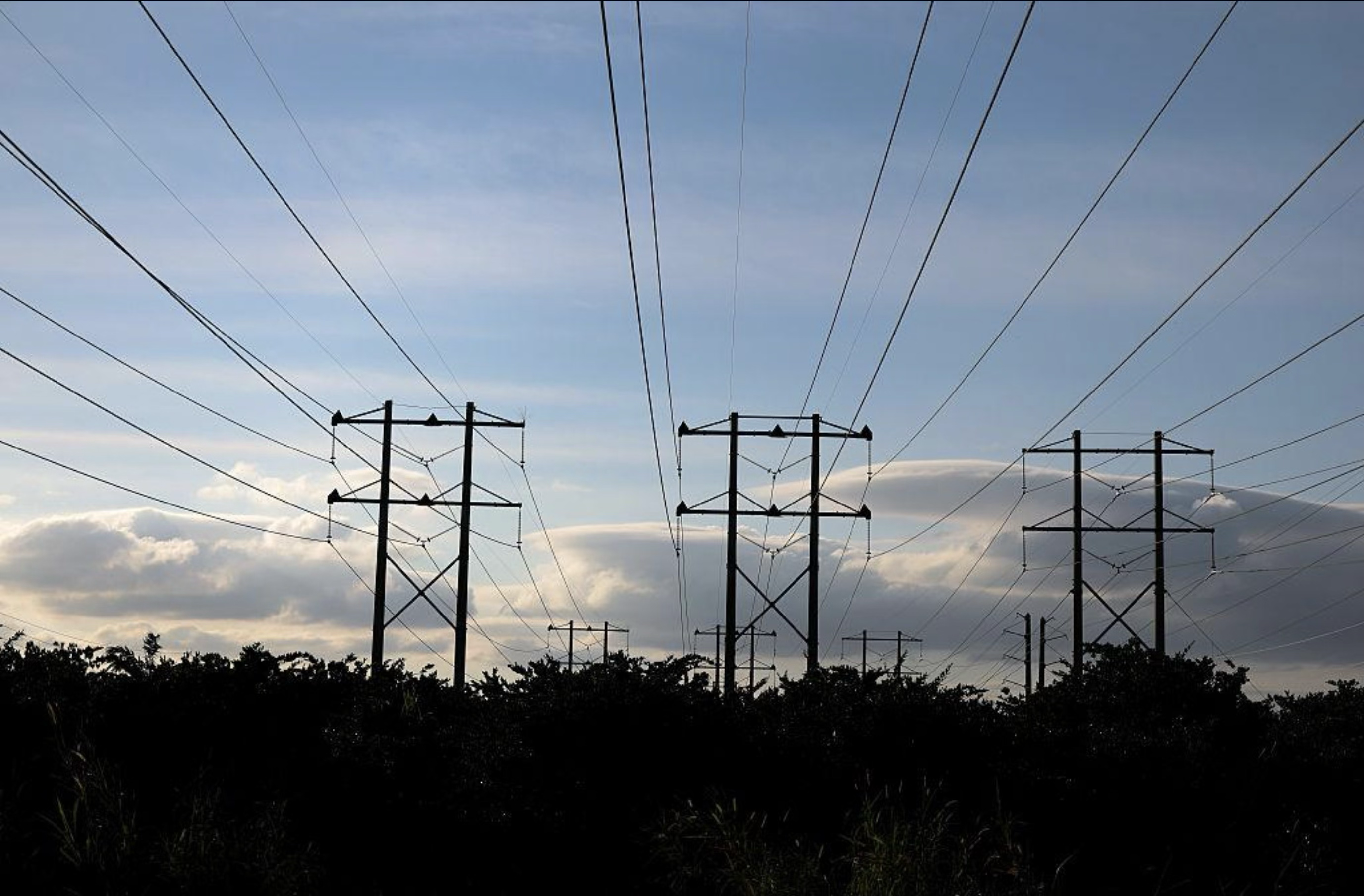 (Image caption) The key problem facing the current energy system is not simply "power shortage", but the structural blockage in power transmission and grid connection capabilities, which makes it difficult for new computing power to be quickly connected to the grid.
⸻
The power grid is no longer just "pipelines": it is becoming the dispatch hub of the AI era.
When it comes to the power grid, Cheng Maiyue is never romantic. He breaks it down into a few cold, hard words: dispatch, resilience, timing. These words have no rhetoric, but they explain everything.
The characteristics of AI's electricity consumption dictate that the power grid can no longer be merely a passive transmission pipeline. The high concentration, high continuity, and extreme sensitivity to reliability of loads necessitate a system with stronger real-time dispatch capabilities and sufficient margins to maintain stability during sudden load surges. In other words, the real question is not "whether the total power generation is sufficient," but rather "whether the power grid allows you to connect the load at this location, at this time, and under this reliability level."
He once used an engineer-style analogy: if a weightlifter trains at near-limit weights for an extended period, a breakdown is only a matter of time. The same applies to systems. Without margin, there is no resilience; without resilience, any unexpected event can amplify a local problem into a systemic event.
Therefore, the core issue he repeatedly emphasized was not "whether there is electricity," but rather:
Can electricity be dispatched in a controlled manner at the right time and in the right place?
This sounds like engineering jargon, but it's actually a strategic description. Because when you consider computing power a strategic asset, you must accept that its limitations aren't written in the code, but in the dispatchability of the power system. From this perspective, competition in the AI industry will ultimately boil down to a seemingly unglamorous, but more decisive, level: whoever can build a sufficiently large, dispatchable, accessible, and collaborative power system faster will be able to realize computing power at the desired time more quickly.
⸻
When supply is destined to be slow, he shifts his focus to demand—not to please, but because it's not too late.
Given the inherently slow pace of supply-side development, Cheng Maiyue did not pin his hopes on "faster grid construction," but instead chose to focus on innovative efforts on the demand side. Rather than promising more electricity someday, he acknowledged that the system's load capacity is limited in the foreseeable future, necessitating re-coordination, rearrangement, and reuse.
In his context, demand-side management, load coordination, and distributed resource aggregation are not policy slogans or abstract concepts, but a complete set of engineering strategies. Their core logic is not complex, yet extremely practical: redefining what constitutes a "resource." When loads are no longer seen as mere consumers, but as system units that can be predicted, segmented, aggregated, and scheduled through digital means, they cease to be just sources of pressure and begin to become part of system stability.
The value of this approach lies not in "solving all problems now," but in its ability to buy time for the system within existing institutional and power grid conditions. This is because power transmission expansion takes time, equipment replacement takes time, approvals and cross-regional coordination take time, and supply chain capacity adjustments also take time—but the demand curve for AI will not automatically slow down just because the system needs time. When the supply side cannot respond quickly, the flexibility of the demand side becomes one of the few levers that can still be manipulated.
"Buying time" is no longer a stopgap measure today, but a strategic choice. With the nine-to-eleven-year deployment cycle of data centers becoming a real bottleneck, any solution that can improve resilience, reduce peak pressure, and postpone the tipping point in the short term has undeniable strategic significance. It may not be the ultimate answer, but it must be one that allows the system to hold up and avoid collapse.
Furthermore, Cheng Maiyue believes that the fundamental solution lies in building a decentralized, locally balanced, source-load interactive, and resilient power grid, rather than simply constructing centralized large power plants and large power grids; this is precisely the core description of the future form of the power grid in the energy transition. Currently, a suitable place has not yet been found to embed this paragraph of argument. 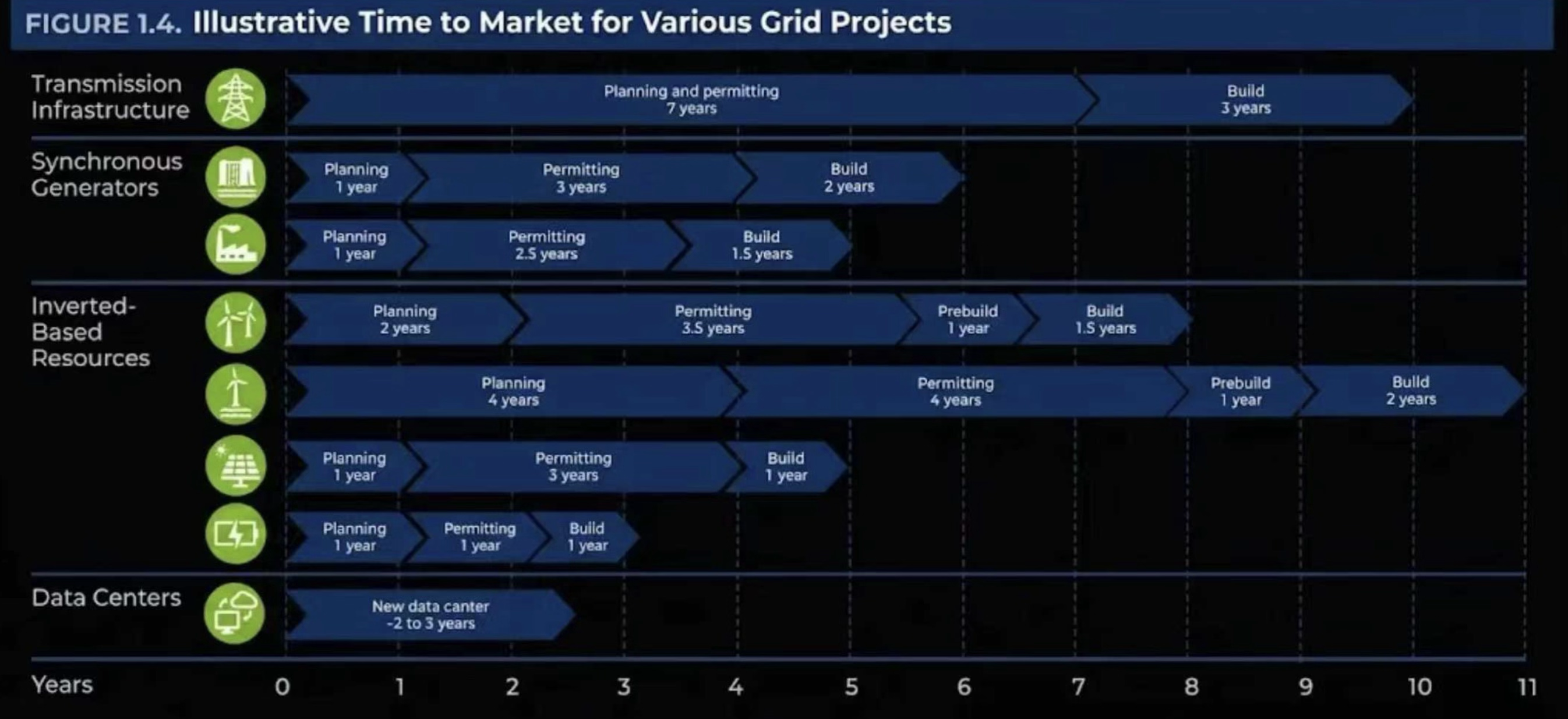 (Image caption) Comparison of construction and grid connection cycles for different types of power grids and energy projects. Compared to AI data centers, which can be completed in about 2-3 years, power transmission infrastructure often requires up to 7 years of planning and approval, plus about 3 years of construction, making the overall cycle significantly longer.
⸻
Why GFM needs Cheng Maiyue: Not for endorsement, but for calibration.
Cheng Maiyue chose to discuss AI and energy at GFM not because it's the loudest forum, has the highest traffic, or is the easiest place to generate public opinion resonance, but because it's a place willing to slow down—at least in terms of methodology. This "slowness" is not about lowering ambition or avoiding real-world competition, but a deliberate choice: using higher standards to gain verifiability and more rigorous structures to gain long-term credibility.
In today's information environment, speed is almost seen as the only form of justice. Faster narratives, more sensational headlines, and more immediate emotional feedback have become the basic logic for content dissemination. However, on highly engineering-driven and institutionalized issues like AI and energy, this logic often creates errors: concepts are used interchangeably, causality is disregarded, and engineering limitations are smoothed out by language. What is truly scarce is a discussion forum that can break down problems to a verifiable level and calibrate judgments to be consistent with both institutional and engineering logic.
The "pre-editing calibration" proposed by GFM is a concrete manifestation of this methodology. It is not about endorsing a particular viewpoint or person, but about checking and aligning conceptual boundaries, causal chains, and engineering contexts before publication. This approach is not popular in the current media ecosystem because it reduces immediacy, weakens emotional tension, and even restricts narrative freedom, but it is the most difficult and indispensable responsibility of institutional media.
Cheng Maiyue's role at GFM is precisely that of a "calibrator." His presence is not to add an aura of authority to grand narratives, but to gradually pull the narrative back to verifiable reality: not asking "Do you believe it?", but asking "Can you verify it?". When the discussion returns to engineering time, institutional efficiency, and system capacity, judgments have a foothold, and debates become constructive.
This is why GFM's AI & Energy is not intended to be a forum for emotional mobilization, but rather a forum for discussion that can be cited, tested, and continuously analyzed. It attempts to view energy as a fundamental variable in national power and industrial resilience, allowing readers, researchers, and policymakers to engage in dialogue within the same language system, rather than being trapped in different narratives and speaking their own words.
⸻
In the era of computing power, the cost of asking the wrong question can be amplified into a systemic cost.
The AI curve is still rising, and it will only get steeper. Various electricity consumption forecasts have unequivocally incorporated "data center-driven growth" into the mainstream energy narrative. This is no longer a trend prediction, but a structural change that is already underway. At the same time, long-standing problems such as aging power grids, interconnection congestion, slow transmission construction, and difficulties in cross-regional governance coordination are being amplified again in the AI era. They are no longer just chronic problems that can be postponed, but are gradually transforming into hard constraints that determine the upper limit of expansion.
This transformation signifies a fundamental change: you may ignore these problems for a long time, even continuing to grow superficially, but once the system hits its limits, the cost will no longer be local and absorbable, but rather holistic and unavoidable. At that point, the consequences will not be borne by just one company or project, but by the entire industry's pace, infrastructure resilience, and even national-level competitiveness. 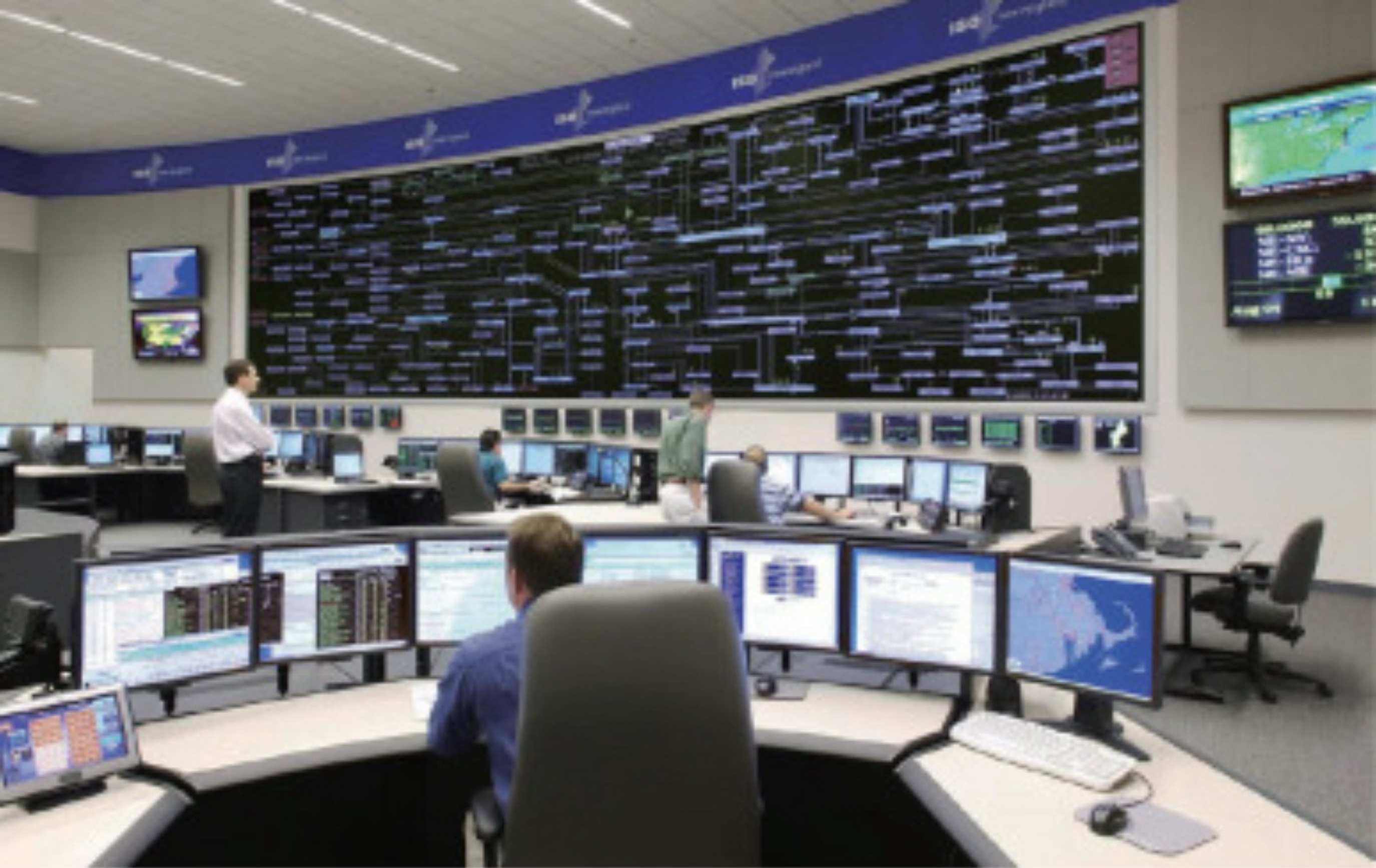 (Image caption) As AI loads become highly concentrated and extremely sensitive to stability, the power grid is no longer just a passive transmission line, but is transforming into a core hub with real-time scheduling, resilient management, and system coordination capabilities. Scheduleability is becoming the true threshold for supporting computing power.
Therefore, the question ultimately comes down to a less elegant, but more decisive, one:
Are we really ready to use our existing energy systems to support AI?
This preparation is not reflected in the vision or slogan, but in whether the project timeline is controllable, whether the system efficiency is matched, whether cross-departmental and cross-regional collaboration is effective, and whether capital is allocated to the links that truly determine the upper limit.
Cheng Maiyue's contribution lies not in providing a reassuring answer, but in constantly pushing people to ask the right questions. In the era of computing power, the cost of asking the wrong questions is no longer just cognitive bias, but is amplified into a cost that the entire system must pay. This is precisely the significance of him as an "invisible guardian"—not standing in the spotlight, but always keeping an eye on the real boundary: how energy and the power grid are shaping the future we can reach.