

The Era of Pandemic Capitalism: Huang Chunhua and the Rise of Public Venture Capital
From a farm boy in Wuhan to a coordinate on the global risk governance map
In the history of globalization in the 21st century, few events have reshaped healthcare systems, government governance models, and the global supply chain landscape in just a few years as the COVID-19 pandemic has. The pandemic has not brought about the rise and fall of a single industry, but rather a historical curve that has been forced to accelerate—testing, vaccines, and preventative technologies have leaped from the fringes of professional expertise to the core battleground most keenly pursued by global capital.
Along this curve, a group of previously unknown entrepreneurs and investors have been thrust into the spotlight. Among them, the most symbolic and also the most controversial name is Charles Huang, an American investor of Chinese descent. 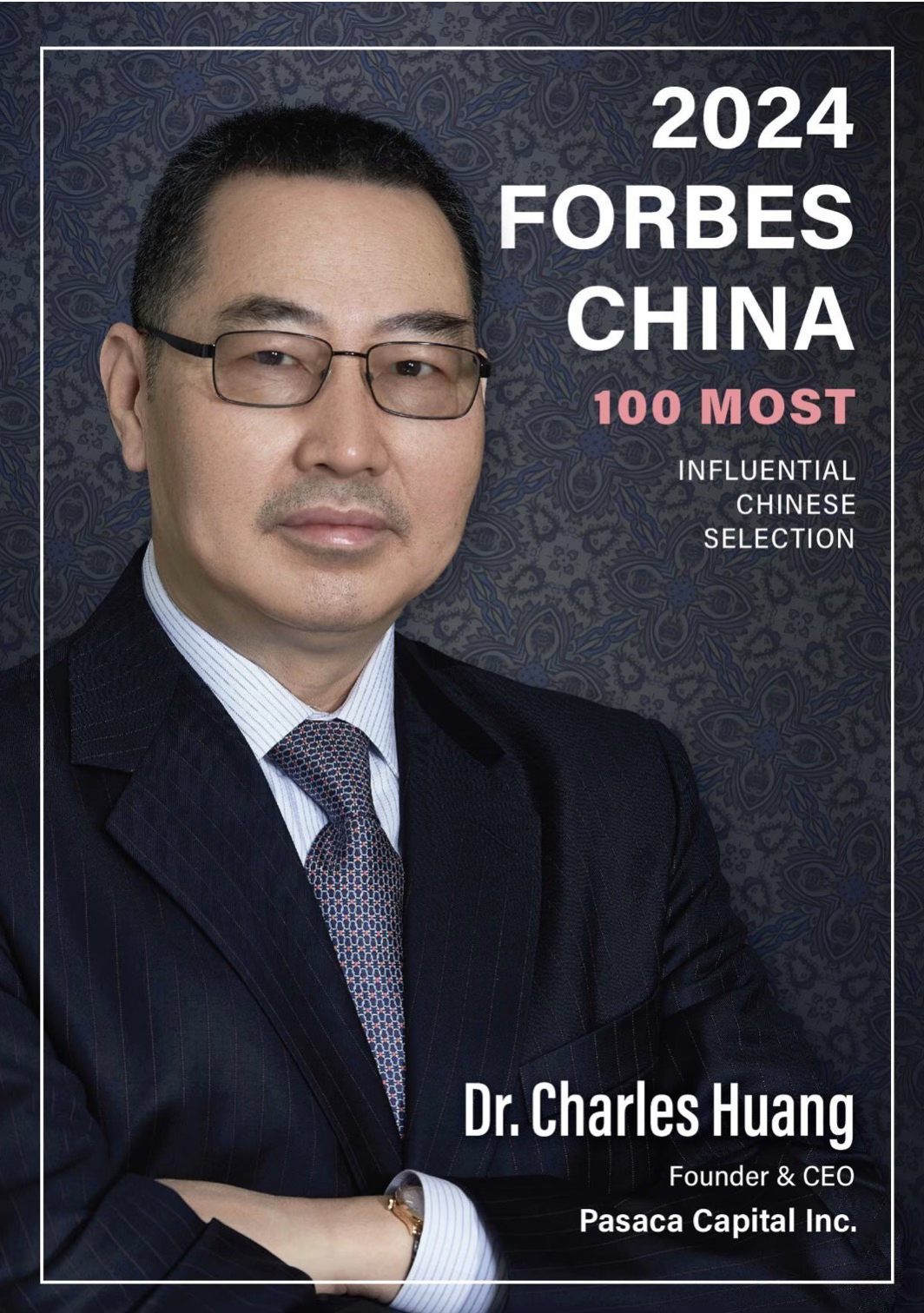 (Image caption) Charles Huang, founder and investor of Pasaca Capital. During the pandemic, he gained international media attention due to the rapid rise of his company, Innova Medical Group, in the global antigen testing market. In 2024, he was selected as one of Forbes China's 100 Most Influential Chinese.
His trajectory encapsulates the typical path of a generation of globalized Chinese capital:
Wuhan rural teenager
→ Wuhan University Science, Engineering and Economics Training
→ The Global Capital Language of British Business Schools
→ Hong Kong and international financial markets
→ California Private Equity and Cross-Border Investment
→ Global public health supply chain and climate risk governance.
If the pandemic has changed the world, then Huang Chunhua's story is an amplified example of this change. He may represent a new type of capital role that is taking shape: public venture capital—not just investors who pursue returns, nor just philanthropists who do public good, but entrepreneurs who actively intervene in public risk governance during the pandemic and climate crisis.
Chapter 1
Wuhan, the starting point: A fateful choice in the era of reform.
Huang Chunhua was born in the suburbs of Wuhan, Hubei Province, a typical rural-urban fringe area. In the early days of reform and opening up, the entire social order was rapidly shifting from a rationing system to a market mechanism. For ordinary families, the only visible and most widely accepted path to upward mobility was through examinations.
"Taking the exam to leave the county" was not just a personal wish, but a risk hedging strategy for families in an uncertain era. Taking the exam to leave the county, then the provincial capital, then a big city, and ideally, to go abroad—this was the unspoken roadmap for that generation.
In 1986, he graduated from the Department of Economics at Wuhan University. This comprehensive university, located on the banks of the Yangtze River, not only continued the traditional Chinese humanities and academic traditions, but also took the lead in opening a window to the world during the reform era, allowing many students from non-coastal families to come into contact with the concepts of international trade, financial markets, and multinational corporations for the first time.
In the classroom, he learned the theory of the transition from a planned economy to a market economy; outside the campus, the old and new border areas—coastal cities that were the first to enjoy the benefits of reform and inland regions that were still exploring—became a more concrete "living textbook." This gap between theory and reality led students like him to turn their attention to a more distant horizon: overseas. 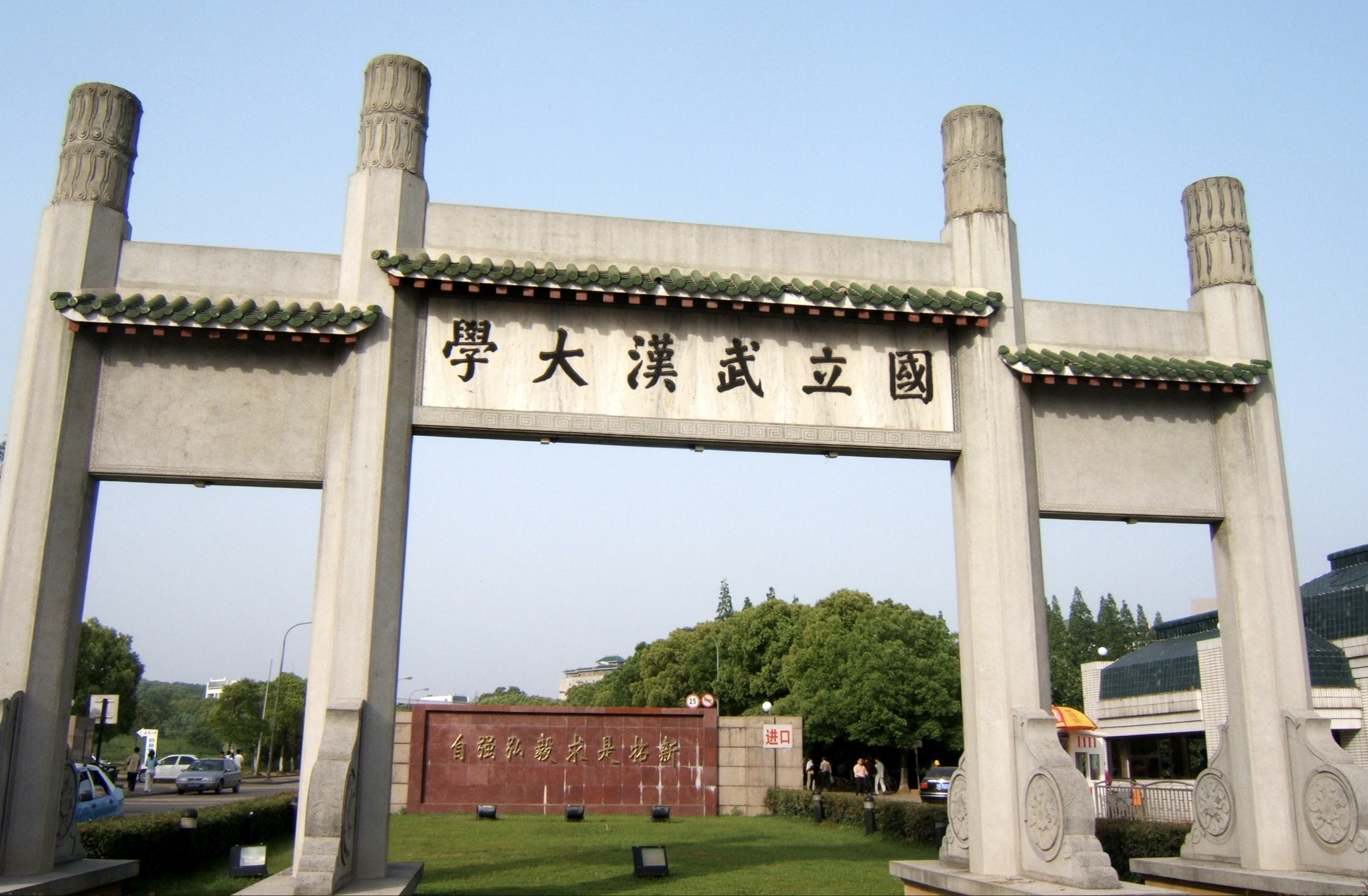 (Image caption) Wuhan University campus. Huang Chunhua completed his undergraduate economics education here in 1986. This long-established Chinese university has cultivated numerous important figures in the fields of finance, technology, and public policy.
Chapter Two
British Education: From Engineering Thinking to the Language of Global Capital
In the late 1980s, only a small number of Chinese students were able to obtain foreign scholarships to pursue further studies abroad. Huang Chunhua received funding from the British government to study at the University of Strathclyde, where he pursued an MBA and a PhD in Marketing.
In Glasgow, he was exposed to a complete and well-established Western business school system—not just a few courses, but a whole set of thinking tools:
How companies position themselves in different competitive landscapes
How capital flows across borders and restructures industries
- How risks are broken down, priced, and redistributed
This training propelled his early STEM education and economics foundation to a new dimension: from engineering problems to systems problems, from individual technological solutions to the design of entire industrial and capital structures. For a student from a farming family in Wuhan, this was his first direct confrontation with the global capital system.
While many of his contemporaries chose to pursue technical and engineering careers in Europe or North America, he made a different choice—to move to the forefront of finance and become a professional user of the "language of capital." 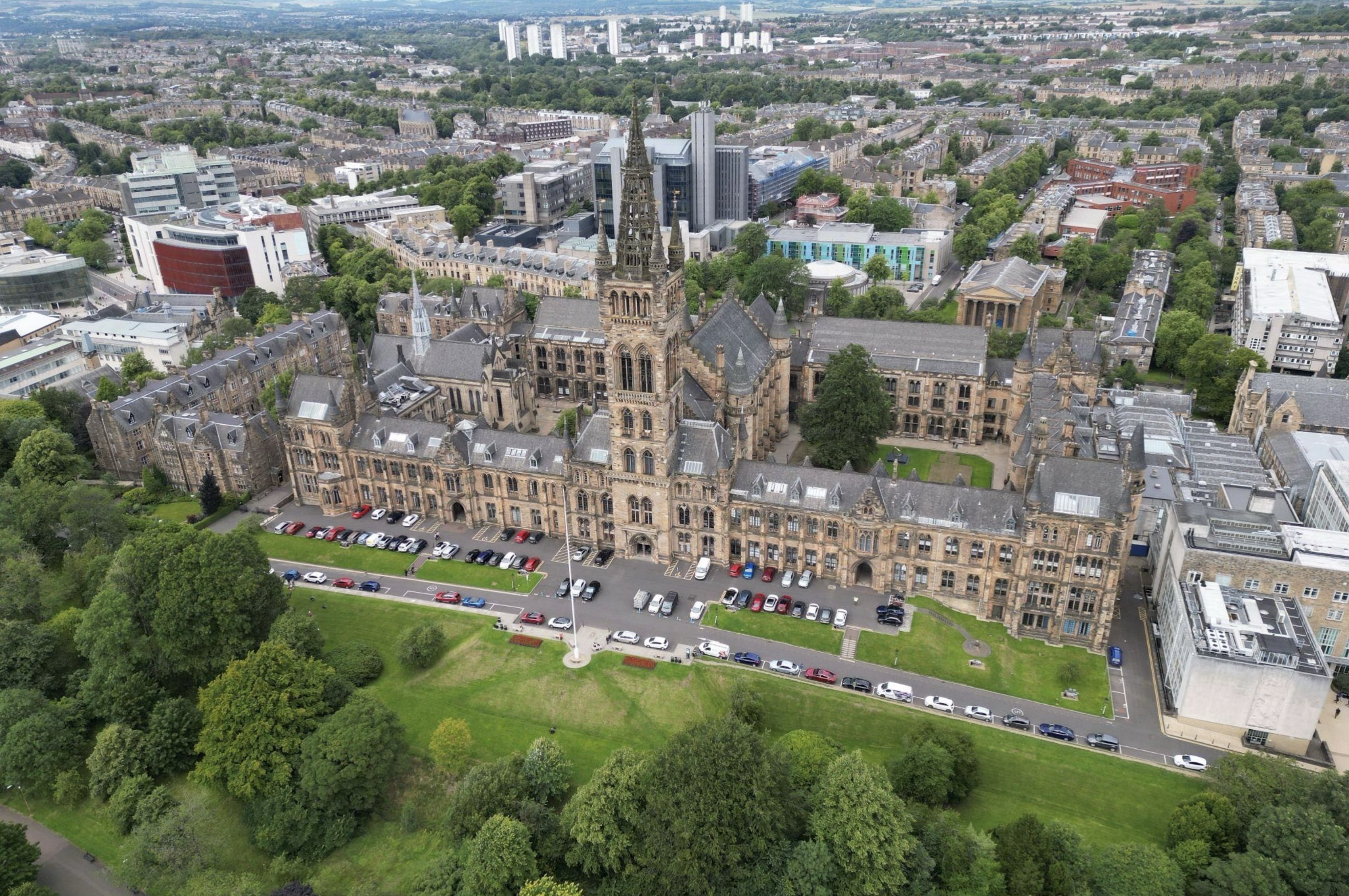 (Image caption) The University of Strathclyde is located in Glasgow, UK. Huang Chunhua obtained her MBA (1989) and PhD in Marketing (1994) here. This experience studying in the UK laid the foundation for her perspective on international finance and capital markets.
Chapter Three
Hong Kong Era: Capital Translators for Chinese Enterprises
In the 1990s, Hong Kong became the first place where Chinese companies were systematically analyzed by global capital. State-owned enterprise reform, red-chip stocks, and private enterprises going global made Hong Kong one of the most important IPO stages in Asia.
During this period, Huang Chunhua entered the investment banking and financial services system, working for several international institutions and focusing on front-office work such as corporate research, IPO analysis, and stock valuation.
In this position, he stands at the middle of a crucial "translation chain":
On one end are Chinese entrepreneurs eager to tell their own stories to the international capital market;
On the other end are global institutional investors who hold the power to allocate funds but are still relatively unfamiliar with China.
The profession of an investment banking analyst is essentially a kind of "capital translation": translating industry and corporate stories into a language that capital can understand—cash flow forecasts, valuation models, risk factors, and investment narratives.
Years of practical experience taught him another thing: corporate value is never just the product itself, but the result of the intersection of technological path, industry position and capital narrative. 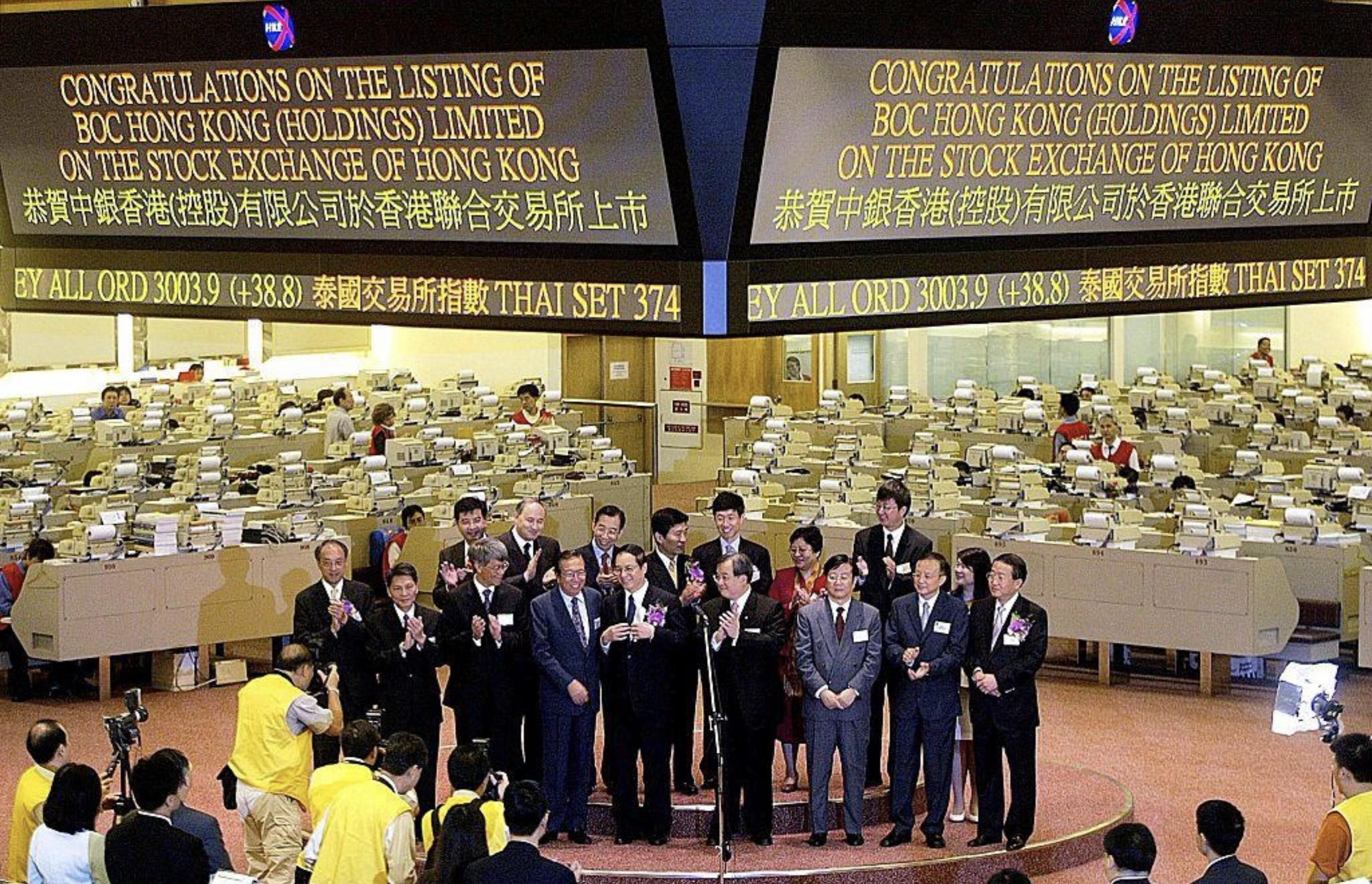 (Image caption) Hong Kong Stock Exchange listing ceremony. In the 1990s, Chinese companies began listing in Hong Kong on a large scale, and Hong Kong gradually became an important gateway for Chinese companies to enter the international capital market. Investment bank analysts and underwriting teams play a key role in company valuation, investor communication, and roadshows.
Chapter Four
Pasaca Capital: From Valuing Others to Making Your Own Bets
After leaving traditional financial institutions, he took the next step that is almost "standardized" for Wall Street veterans—from helping others with valuations to deciding which company and which technology curve to bet on.
In 2016, he founded Pasaca Capital Inc. in California, an investment firm emphasizing a "long-term, cross-border, industry-oriented" approach. Pasaca's investment portfolio spans:
- Medical Devices and Pharmaceuticals
- TMT (Technology, Media and Telecommunications)
- Industry and Automation
- Entertainment and Content Industry
They are distributed across North America, Europe, Asia, and the Middle East.
Pasaca's core strategy can be summarized in one sentence:
Identify the technology platform → Productize the product → Promote its industrialization → Enter the global market.
Following this logic, it has successively invested in or acquired controlling stakes in companies including Innova Medical Group, Sweegen, Telesair, ASOCS, and KraftPal. This portfolio may seem to span multiple industries, but they all share a common thread—they all attempt to act as key technology hubs within existing industrial structures.  (Image caption) Pasaca Capital was founded in Pasadena, California, USA. This investment firm focuses on global investment in sectors such as healthcare, industrial automation, TMT, and new energy.
Chapter Five
Large-scale testing: From conception to technological path
In 2020, the COVID-19 pandemic broke out. Before a vaccine was available, governments around the world faced the same harsh problem: how to identify infected individuals and break the chain of transmission in the shortest possible time.
At this time, testing capacity was rapidly elevated to a new strategic resource. Huang Chunhua proposed the concept of "Mass Testing + Repeated Testing": if low-cost, easy-to-use, and fast-resulting rapid screening reagents could be used to "release" testing from hospitals and laboratories to communities and homes, then it would be possible to maintain basic social operations without a complete lockdown.
To realize this vision, he quickly established Innova Medical Group under Pasaca, specializing in rapid COVID-19 antigen testing, and integrated multiple suppliers and production bases to build large-scale supply capacity in the face of a highly strained global supply chain.
Chapter Six
The UK Scenario: When Testing Becomes a National Strategic Asset
The UK was the first large-scale country to scale up this concept. The Johnson government decided to use large-scale rapid testing as a core tool for restarting the economy, launching a "testing for all" plan centered on home rapid testing.
In this policy, Innova became one of the most critical suppliers: the British government purchased billions of rapid COVID-19 test kits from the California company, with contracts totaling billions of pounds, making Innova one of the world's largest suppliers of rapid COVID-19 tests.
Behind this lies a typical political and economic decision made during the pandemic: the state is no longer just a regulator, but actively forms alliances with specific companies; review processes are streamlined under the state of emergency, and public risks are transformed into huge procurement contracts; epidemic prevention tools are transformed from medical commodities into strategic materials, backed by public finances.  (Image caption) Rapid antigen test kit (Lateral Flow Test). During the pandemic, Innova Medical Group's testing products were procured by governments in many countries for use in community screening and public health prevention measures.
Chapter Seven
Risk and Regulation: The Cost of Pandemic Capitalism
Companies that expand rapidly during a crisis are almost destined to face amplified public scrutiny.
In 2021, the U.S. FDA issued warnings and written alerts to some of Innova's COVID-19 antigen products, pointing out discrepancies between the submitted clinical data and labeling claims, and demanding a halt to the use of these products in the U.S. market. Meanwhile, under the framework of public health emergency, the UK regulatory body maintained authorization and adoption of similar products, believing that under certain strategies, even if their sensitivity was lower than PCR, they still had significant public health value.
The procurement process also sparked controversy. Under pressure, the British government activated a fast-track mechanism, bypassing some traditional bidding processes to ensure sufficient supply amid global competition. Supporters argued that this prevented the collapse of the healthcare system, while critics questioned whether transparency, conflicts of interest, and regulatory intensity were adequate to match billions of pounds in public spending.
As contract size and profits soared, the media began describing the wealth stories surrounding Innova and Pasaca as "pandemic windfalls" and "overnight riches," focusing on their high-profile spending on real estate, private jets, and legal disputes with former employees and partners. Amid these intersecting narratives, a case that could have been understood as "technology + supply chain" was thrust into the spotlight, raising pointed questions about data, processes, and ethical risks.
Chapter Eight
Philanthropy, Prestige, and Educational Capital: The Second Narrative
Faced with criticism, Huang Chunhua chose to respond partly through institutionalized philanthropy and public honor. Through his private foundation, the Charles Huang Foundation, he has invested some of the capital he accumulated during the pandemic into education, healthcare, and entrepreneurship, donating more than $100 million to support the construction and research of universities and hospitals.
Two of the donations were the most symbolic: 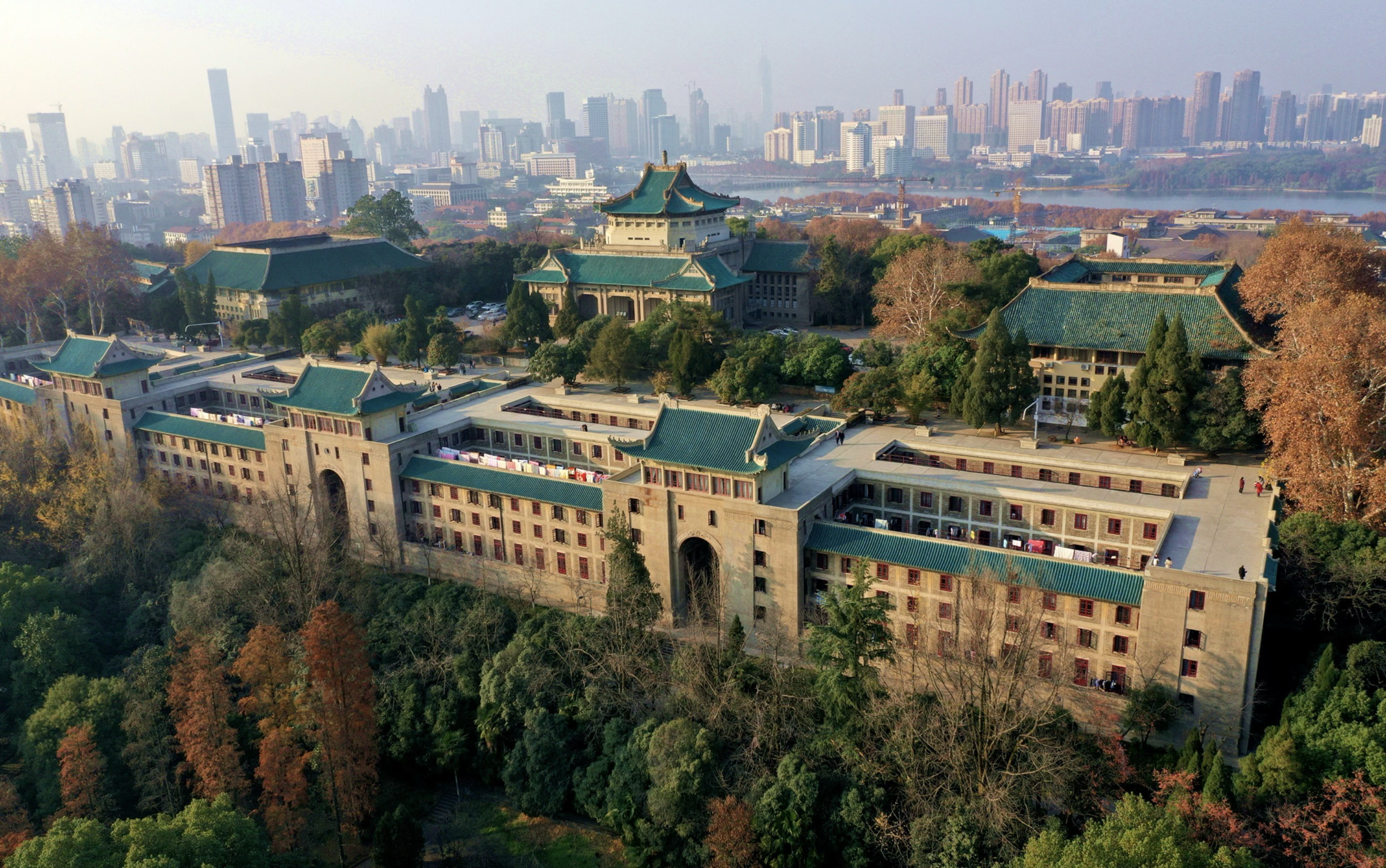 (Image caption) Wuhan University campus landscape. Since 2021, Huang Chunhua, through the Charles Huang Foundation, has pledged approximately US$40 million to his alma mater for a visiting professorship and research projects related to management, medicine, and public health. This donation is considered one of the most important personal educational grants in the university's history.
First, a pledge of US$40 million was made to Wuhan University to establish a visiting professorship fund, support research in management, medicine, and public health, and set up scholarships and entrepreneurship funds, prioritizing support for students from the central and western regions and rural backgrounds, as well as public health-related teams. For a rural youth from Wuhan, this is a response to the ladder of personal destiny and a transformation of the intergenerational consensus on "education as a risk hedging tool" into institutional arrangements.
Secondly, he donated $70 million to his alma mater, the University of Strathclyde in the UK, to build a new teaching and research building for science and innovation, and to establish international business, leadership, and entrepreneurship-related scholarships and research programs, giving this Scottish university a new place on the global landscape of science and management education. He learned the language of global capital here, and now he is exporting capital and opportunities from here. 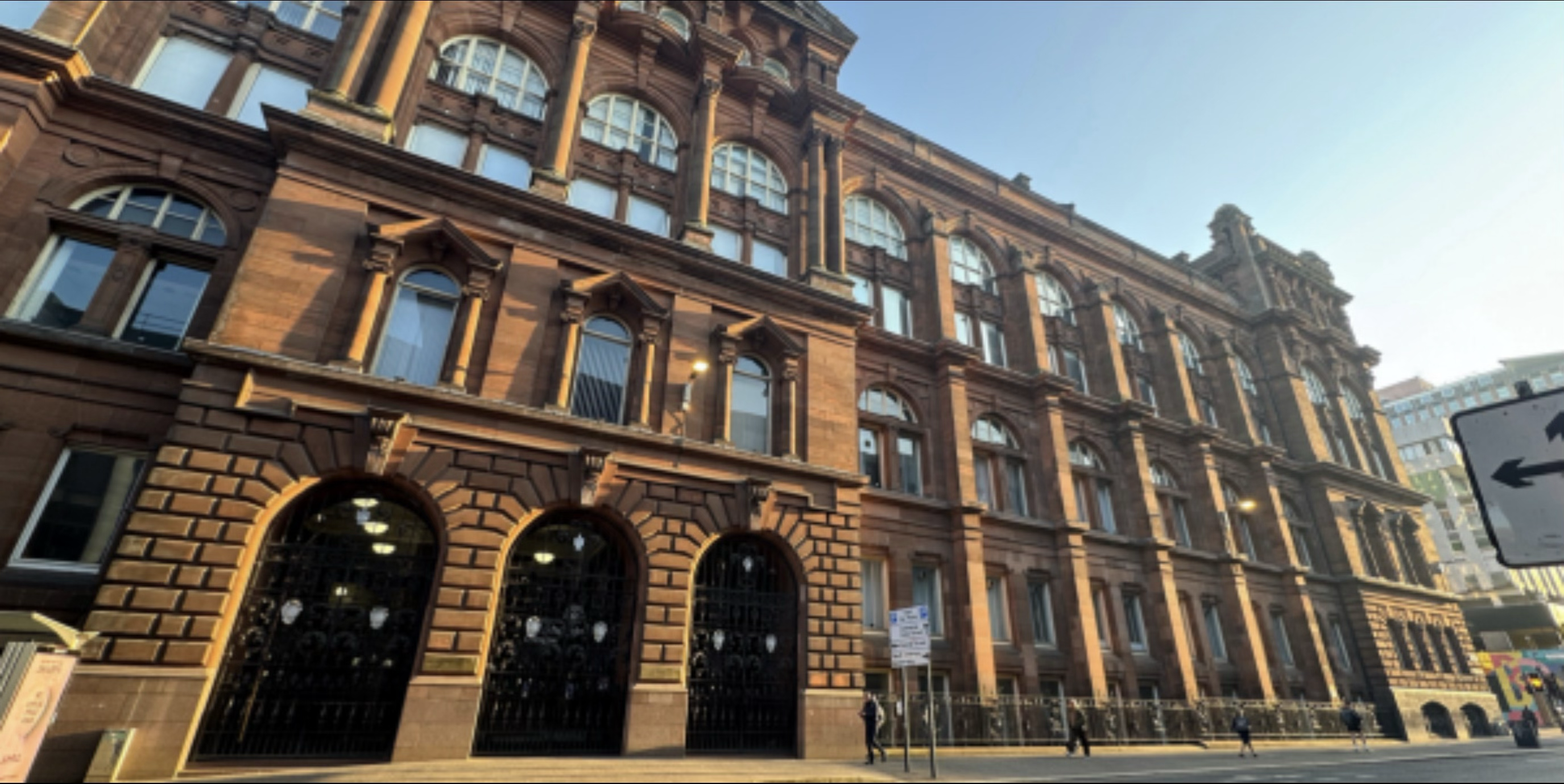 (Image caption) The University of Strathclyde is located in Glasgow, UK. Huang Chunhua donated approximately US$70 million to the university to support the construction of a science and innovation center and to establish international business, leadership, and entrepreneurship research and scholarship programs. The university considers this one of the largest charitable donations in its history.
The two donations, one directed back to the place of origin and the other to the turning point, transformed an individual's transnational migration path into a long-term channel for the flow of talent and knowledge between the two universities.
His donations to numerous medical institutions and hospitals in the Chinese community have further enhanced his public image as an "entrepreneur and philanthropist." He has received numerous accolades, including the California State Legislature's "Philanthropic Entrepreneur of the Year," the California Asian Pacific American Legislative Caucus's "Business Excellence Award," and the Strategic Management Institute's "Free Enterprise Advocate." In 2024, he was selected as one of Forbes China's 100 Most Influential Chinese.
In December of the same year, the International Association for Biomedical Sciences held a forum in Ontario, California, where it presented him with the "Outstanding Entrepreneur" award. The award was personally presented by Dr. Ethan Shevach, a senior researcher at the National Institutes of Health, in recognition of his role in healthcare and the global fight against the pandemic. President Dr. Yongtian Li emphasized that his wisdom and vision have driven innovation in human health, while Huang Chunhua stated in his address that the association will continue to invest in innovative technologies and products, striving to create a healthier and safer world, citing Innova NanoJet Technologies as an example.  (Image caption) Chinese Hospital San Francisco. Huang Chunhua has donated funds to several medical institutions, including the Chinese Hospital San Francisco and the Southern California Medical Center, to improve medical facilities and support public health and clinical research.
In this narrative, he is repositioned as a dual figure navigating the boundaries between business and public good: both a beneficiary of pandemic capitalism and an actor attempting to respond to public expectations through educational and medical capital.
Chapter Nine
From Virus to Air: Innova NanoJet Technologies and New Public Health Costs
After the pandemic subsided, the world began to face another set of longer-term risks: air pollution, indoor health, and climate change. Huang Chun-hua did not stop at the testing business of "making the virus visible," but turned his attention to air pollution control, which aims to "treat pollution."
Innova NanoJet Technologies Ltd. was born in this context, positioned as a platform technology company with NanoJet technology at its core, covering applications in public and private healthcare, agriculture, industrial facilities, energy efficiency and emissions control, and more.
Their first commercial product is a filterless indoor air purification and disinfection system that uses water as the sole purification medium. Through NanoJet technology, the system releases nano-sized water droplets in an enclosed space to actively capture and encapsulate pollutants, bacteria, and viruses in the air, achieving high-efficiency purification and disinfection through physical means, avoiding the consumable and secondary pollution problems associated with traditional filter materials and chemical agents.
Related products have won numerous technology and innovation awards on international stages such as CES, and are regarded by technology and home appliance media as a representative case of reshaping air purification with water-based technology. Disease and pollution are no longer just issues in hospitals, but are now objects of governance embedded in the daily infrastructure of homes, offices, and public spaces.
Chapter Ten
Climate Risks and the Insurance Gap: Why the Insurance Industry?
While global healthcare systems are still grappling with the aftermath of the pandemic, another long-term risk is rapidly approaching: wildfires, droughts, and extreme heat caused by climate change. California and other high-risk areas have experienced several mega-wildfire events in recent years, with losses to real estate and infrastructure often reaching billions of dollars.
Faced with the increasing frequency and intensity of disasters, traditional insurance companies are forced to raise premiums, reduce coverage, and even withdraw from high-risk areas, leaving many communities in an "insurance gap"—wanting to buy insurance but unable to.
Against this backdrop, according to sources close to Huang Chunhua's team and corporate systems who spoke to GFM, Huang and his team began exploring another path for public risk management: insurance + disaster prevention. Based on currently available information, this is a business layout that is still taking shape and has not yet been fully disclosed; its specific scale and effectiveness still require further verification and observation.
The core idea is that if disaster risks are unavoidable, then insurance should not only focus on "post-disaster compensation," but should extend forward to become an integrated system of "pre-disaster intervention + disaster response + post-disaster recovery."
Insurance products were thus redesigned: fire prevention upgrade suggestions and incentive mechanisms were embedded in policy terms to encourage policyholders to improve building materials and clear flammable materials; cooperation with local fire departments was established to incorporate community disaster prevention drills and early warnings into services; and a portion of premiums was pre-allocated to invest in disaster prevention infrastructure and technology platforms. Insurance was no longer just post-disaster compensation, but became an institutional hub for adjusting risk structures and the flow of funds. 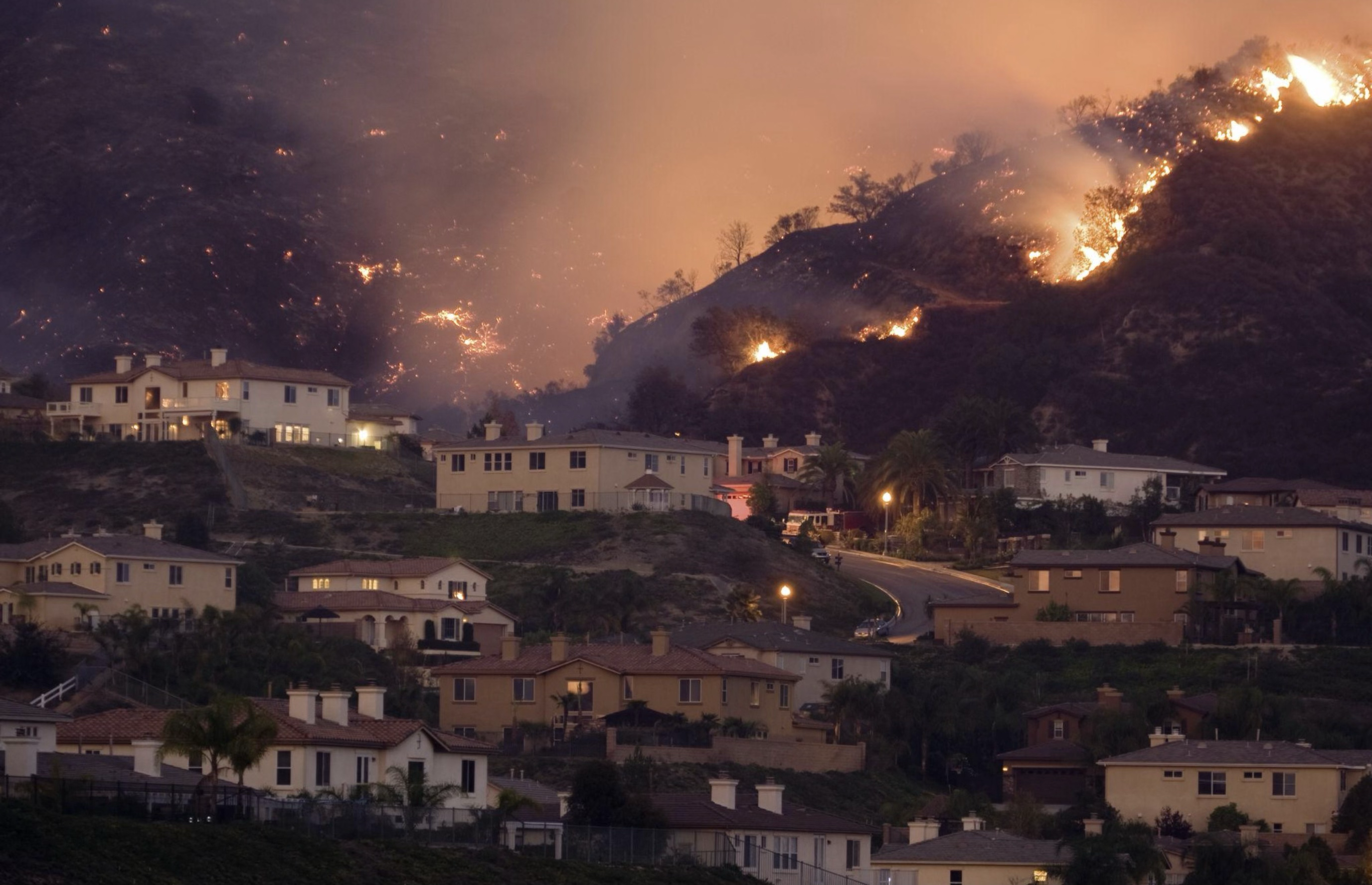 (Image caption) In some high-fire-risk areas, insurance companies are reducing coverage or increasing premiums, leaving some communities facing a so-called "protection gap." This situation has prompted some businesses and investors to explore new models that combine insurance with disaster prevention and management.
Chapter Eleven
A three-tiered public risk governance framework: Space, Air, and Ground
In the area of climate disasters such as wildfires, according to sources close to the project who spoke to GFM, Huang Chun-hua has conceived and begun implementing a "three-tiered public risk governance framework" that uses technology and capital to intervene in the three dimensions of space, air, and ground. Since the relevant plans have not yet been fully disclosed, the following content is primarily based on a comprehensive interpretation of publicly available information, industry context, and interviewees' statements; its actual progress and effects still need to be continuously monitored.
Space Layer
- Participate in the research and development and launch of fire monitoring satellites, and deploy orbital platforms specifically for monitoring wildfires and high-temperature risks.
- Utilize satellites and high-altitude platforms to continuously monitor the distribution of surface heat sources and smoke, and conduct real-time scanning of high-risk areas.
- By combining algorithm analysis of abnormal hotspots and smoke patterns, the fire situation is classified and early warning signals are sent to the airborne fire station and the ground fire command center simultaneously.
Air Layer
- Several private jets originally used for business and personal travel were converted into aerial firefighting platforms, with water and fire retardant storage tanks and rapid delivery systems installed to enhance safety during low-altitude flight and in high-temperature environments.
- Establish aerial firefighting teams primarily composed of enterprises, sign agreements with local governments during peak wildfire seasons, and remain on standby as reinforcements.
- After receiving fire warnings from space and ground, quickly complete mission planning and takeoff, arrive at the fire site when the fire is still in its early stages, drop water or fire retardant, and transmit the aerial observation results back to the ground command center to assist in subsequent deployment. 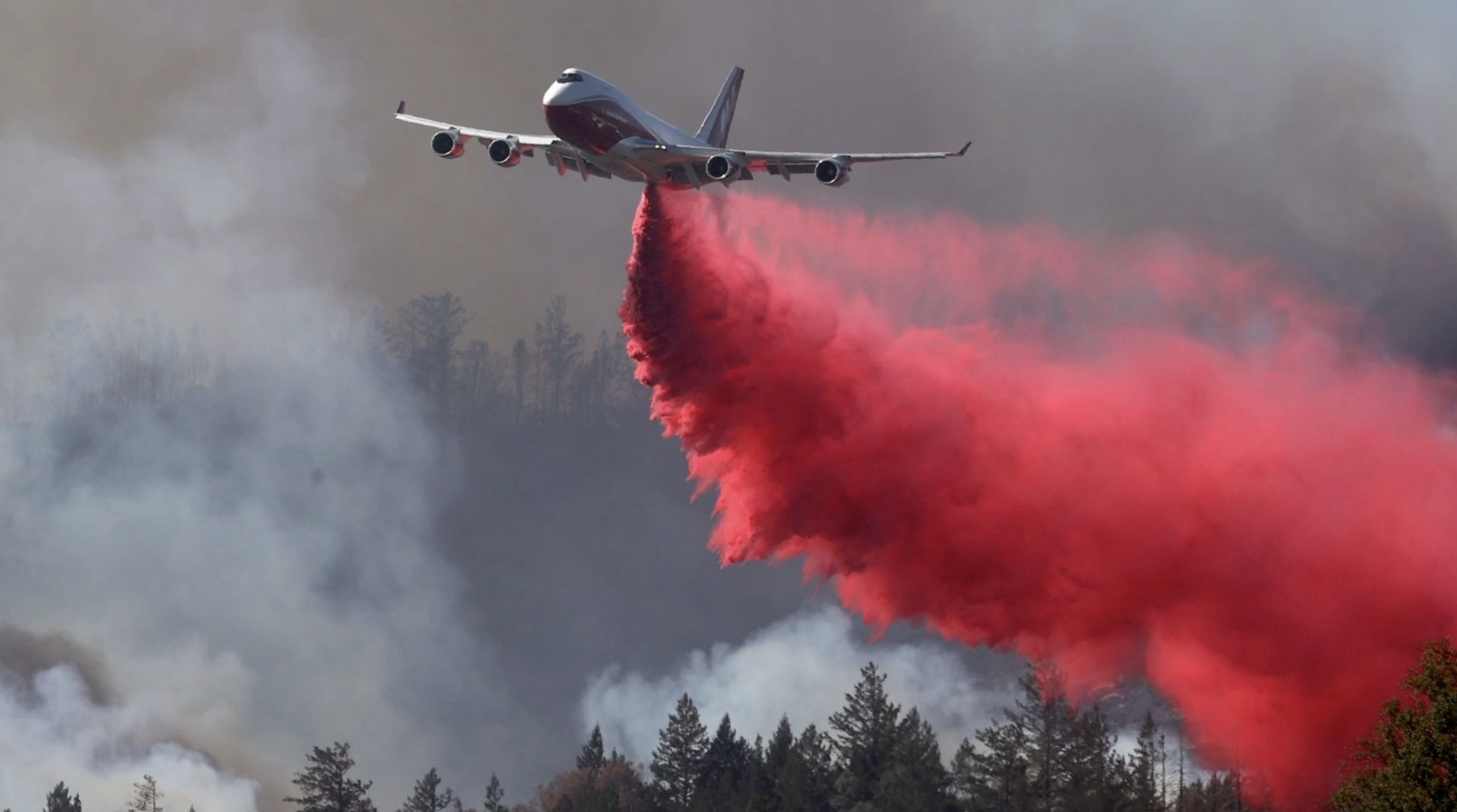 (Image caption) Firefighting aircraft play a crucial role in the early stages of wildfire suppression. According to sources, some of Huang Chunhua's private planes have been gradually converted into aerial firefighting platforms to drop fire extinguishing materials in the early stages of a fire, thereby improving firefighting efficiency.
Ground Layer
- Professional fire brigades, managed by local governments, are responsible for command and decision-making, professional firefighting, and coordination with the outer and upper layers of space.
- Establish volunteer fire service communities based on communities, recruit residents to form volunteer fire brigades, receive basic fire prevention, alarm and initial response training, and become first-line observers and assisting forces when a fire occurs.
- Establish a linkage mechanism between professional fire brigades and volunteer fire brigades in the community: When a fire is reported by satellite or the public, the professional team activates the emergency plan and notifies the volunteer team to enter a state of alert or evacuation. The volunteer team provides first-hand reports from the ground and assists in guiding the location of aerial firefighting deployment and the ground evacuation route.
Financial Foundation (Insurance & Capital)
- Through premium and compensation mechanisms, differentiated premiums are designed for different regions based on satellite data, historical fire records, and disaster prevention investment levels, so that communities with better fire prevention practices receive more favorable premiums.
- A portion of the premiums will be invested upfront in the equipment and training of space-based satellite systems, aerial firefighting fleets, and ground-based professional firefighting and volunteer communities, forming a positive cycle of "premiums → disaster prevention construction → risk reduction → reduced claims pressure".
- After a fire, compensation supports individuals and communities in rebuilding housing and infrastructure. Post-disaster data is then fed back into risk models to revise the next round of premium and investment strategies.
This three-tiered, foundational structure is essentially a public risk governance model that spans technology, institutions, and capital. Enterprises are no longer merely market players, but rather stand alongside the government and the community, becoming part of the public risk governance system.
People as a mirror of a risky era
History remembers a person not so much for how much wealth they ultimately accumulated, but for how their life trajectory happened to align with a historical fault line. The COVID-19 pandemic is the clearest fault line in the first two decades of the 21st century.
Huang Chunhua's story is a typical example along this fault line:
A student from a farming family in Wuhan, through education, left inland China and entered a British business school to study the language of global capital.
Acting as a capital translator for emerging economies in Hong Kong and international financial markets;
He founded a private equity fund in California, betting on the intersection of healthcare and technology.
During the global pandemic, it became a key player in the testing supply chain, and also became the focus of regulatory and public opinion controversy;
In the post-pandemic era, we are attempting to construct a future-oriented public risk governance framework using air technology, disaster insurance, and a three-tiered risk governance model.
In this sense, he is not merely a protagonist in GFM's "Characteristics" series, but a mirror used to observe "pandemic capitalism" and "risk society." Through this mirror, we can see:
How healthcare, government, and capital are forced to realign under the pressure of the global crisis;
How public risks can be transformed into quantifiable industries and contracts in a short period of time;
How can entrepreneurs gradually transform from market actors into participants and shapers of public governance?
The real question that deserves further inquiry is no longer "how to evaluate a particular entrepreneur," but rather: before the next global crisis arrives, how much public risk governance authority are we willing—and prepared—to hand over to this type of "public risk capital"?
Data Sources and Research Description
This article is a compilation of publicly available corporate information, government and regulatory documents, media reports, university and foundation announcements, and related research and observation materials. Content regarding Innova NanoJet Technologies and the technical characteristics of its air purification products is primarily based on publicly available information from the company and related third-party organizations; descriptions of related technologies and products are subject to official public statements. The descriptions of the insurance business and the three-tiered public risk governance structure are based on a structural analysis combining statements from individuals close to the team and publicly available industry context. The actual implementation, business scope, and future development of these aspects still require continued monitoring and further data verification.
A panoramic chronology of Huang Chunhua ( 1960–2025 )
GFM Person Research Database
| time | Life stages | Important events | Historical background and significance |
| early 1960s | born | Born into an ordinary family in Wuhan, Hubei Province, China | China is still under a highly planned economy system |
| 1982–1986 | university education | Studying in the Department of Economics at Wuhan University | In the early stages of reform and opening up, the concept of a market economy entered universities. |
| 1986 | Completion of academic qualifications | Bachelor of Economics from Wuhan University | China's economic transformation period |
| 1987–1989 | Study abroad | Heading to the University of Strathclyde, UK | Chinese students begin studying abroad on a large scale. |
| 1989 | MBA | Complete MBA degree | Receive Western business and management education |
| 1990–1994 | Doctoral research | Completed my PhD in Marketing at Strathclyde . | Research on market competition, corporate strategy, and finance |
| 1994 | Start of a financial career | Entering the Hong Kong financial market | Hong Kong is an Asian financial center |
| 1994–1999 | Investment banking job | Employed by James Capel , Credit Lyonnais , and BNP Paribas | Participating in the internationalization and capital markets of Chinese enterprises |
| 1990s | IPO Research | Participated in the analysis of Hong Kong IPOs of more than 20 Chinese companies | Chinese companies have entered the global capital market on a large scale for the first time. |
| 2000–2010 | Industrial Investment | Leaving the investment banking system to venture into industrial investment | Shift from finance to real economy |
| 2000s | Industry | Investing in automobiles, manufacturing and cross-border investment | Establishing a capital network between Asia and North America |
| 2016 | Entrepreneurship | Pasaca Capital founded in Pasadena, USA | Establish a global investment platform |
| 2016–2019 | Investment Layout | Pasaca invests in healthcare, TMT , industrial automation, and new energy. | Forming a cross-industry investment portfolio |
| 2020 | Pandemic Turning Point | The COVID-19 outbreak led to the establishment of Innova Medical Group . | The pandemic has spurred a boom in the medical testing industry. |
| 2020 | Core Concepts | Propose Mass Testing + Repeated Testing | Promote large-scale rapid testing models |
| 2020–2022 | Industry boom | Innova becomes one of the world's leading antigen testing suppliers | The UK government is procuring billions of dollars worth of testing kits. |
| 2021 | Regulatory disputes | The US FDA has raised concerns about some products. | The pandemic industry is embroiled in regulatory and political controversy. |
| 2022 | Technology Platform | Innova Nanojet Technologies was founded | Promote the application of air disinfection and industrial technologies |
| 2022–2023 | Technology Application | Nanojet technology applied to air disinfection and energy efficiency | Exploring post-pandemic public health technologies |
| 2024 | International Honors | Selected as one of Forbes China's 100 Most Influential Chinese | Enhance global influence |
| 2024 | International Awards | Received IABS Outstanding Entrepreneur Award | Recognizing their contributions to medicine and science and technology |
| 2025 | New strategic direction | Explore Climate Risk Capital | Entering Climate and Disaster Risk Governance |
| 2025 | New Field | Involved in wildfire insurance, disaster monitoring, and disaster prevention technologies | The concept of public venture capital has taken shape. |